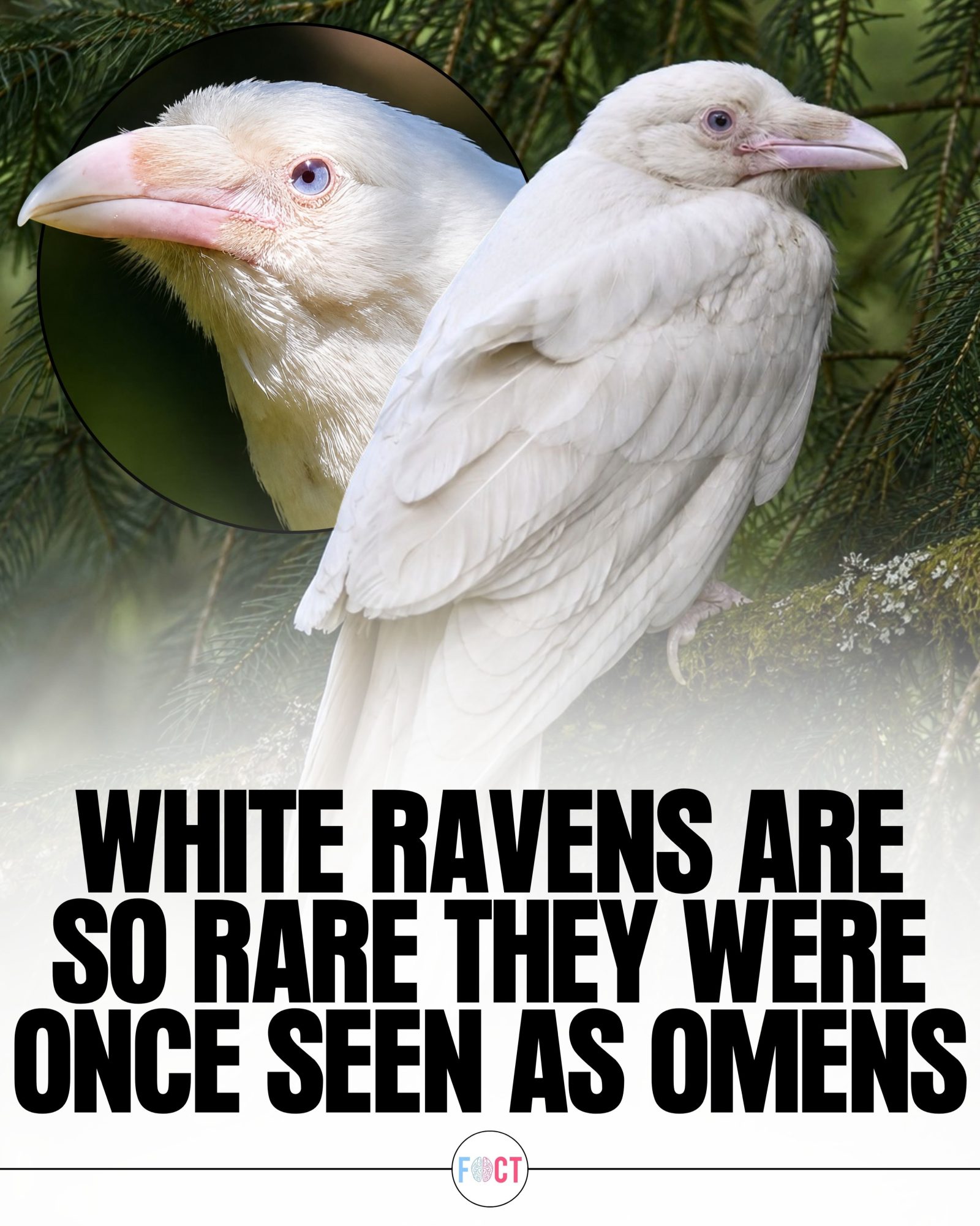
Rare White Ravens
White ravens, with their striking and unusual appearance, have captivated people for centuries. These birds, which are among the rarest in the world, possess a genetic condition called leucism. This condition reduces the pigmentation in their feathers, often leaving their eyes their normal color. In contrast to the typical black ravens, the white ravens' unique appearance has made them a subject of fascination and intrigue.
Why this matters
The rarity of white ravens has historical and cultural significance. Historically, their unusual appearance made sightings so uncommon that many cultures viewed white ravens as omens, signs, or supernatural messengers. Today, these birds are still considered an extraordinary sight. Only a small number have been documented in the wild, and their striking appearance continues to capture the attention of bird enthusiasts, photographers, and researchers around the world.
What are white ravens?
Genetic Condition
White ravens, unlike their black counterparts, have a genetic condition known as leucism. This condition causes a reduction in pigmentation in their feathers, resulting in the distinctive white color. It is essential to note that leucism differs from albinism. In leucism, the eyes and skin typically retain their normal color, whereas in albinism, there is a complete lack of pigmentation, affecting the eyes, skin, and feathers.
Rare Sightings
White ravens are exceptionally rare, and their sightings are infrequent. This rarity has contributed to their legendary status in various cultures. Historically, these birds were seen as omens, and their appearance was often interpreted as a sign of good or bad luck, depending on the cultural context. In some cultures, white ravens were believed to be messengers from the spirit world, bringing important messages or warnings.
Cultural Significance
Historical Beliefs
The rarity of white ravens has long made them the subject of folklore and mythology. In many cultures, their sighting was believed to foretell significant events, either positive or negative. For instance, in some Native American cultures, white ravens were seen as symbols of purity and wisdom, while in other cultures, they were associated with death and the afterlife. These beliefs added to the mystique surrounding these birds and made their appearance even more significant.
Modern Perception
Today, white ravens are still regarded as extraordinary sights. Bird enthusiasts, photographers, and researchers are drawn to them for their unique appearance and the challenge of documenting these elusive birds. The rarity of white ravens makes any encounter with them a memorable experience, often leading to stories and anecdotes shared among birdwatchers and nature lovers.
Documenting White Ravens
Challenges
Documenting white ravens is a challenging task due to their rarity. Researchers and photographers often rely on sightings and reports from bird enthusiasts to track these birds. The unlikelihood of spotting a white raven in the wild means that any evidence captured, whether in photos or videos, is highly valuable. The small number of documented sightings adds to their allure and rarity, making each encounter a significant event.
Contribution of Technology
Advancements in technology have made it easier to document and study white ravens. High-quality cameras, drones, and remote sensing devices allow researchers to capture detailed images and videos of these birds without disturbing their natural habitats. These technological tools have contributed to a better understanding of white ravens' behavior, habitat, and distribution, helping to preserve and protect these rare birds.
White Ravens' Places in the Ecosystem
Habitat Preferences
White ravens, like their black counterparts, are adaptable and can thrive in various habitats. They are often found in forested areas, grasslands, and even urban environments. Their versatility in choosing habitats makes them resilient, although their rarity suggests that they might face specific challenges that limit their population.
Diet and Behavior
White ravens have a similar diet to black ravens, feeding on a variety of foods, including insects, small animals, and carrion. Their behavior is also comparable, with white ravens being known for their intelligence and problem-solving skills. However, their rarity means that there is still much to learn about their specific behaviors and social structures.
Conservation Efforts
Conservation efforts are crucial for protecting white ravens and their habitats. Organizations and researchers work tirelessly to document sightings, study their behavior, and promote awareness about these rare birds. These efforts are essential for ensuring the survival of white ravens and preserving their natural habitats.
Practical Tips for Birdwatchers
Field Tips
For birdwatchers eager to spot a white raven, patience and persistence are key. Here are a few practical tips:
- Research Popular Spotting Locations: White ravens have been spotted in various regions, including North America, Europe, and Asia. Researching known sighting locations can increase your chances of spotting one.
- Visit Diverse Habitats: White ravens can be found in various habitats, from forested areas to grasslands. Exploring different environments can enhance your chances of encountering one.
- Use Binoculars and Cameras: Having a good pair of binoculars and a quality camera can help you spot and document a white raven. These tools allow you to observe the bird from a distance without disturbing it.
Community and Sharing
Joining birdwatching communities and sharing your sightings can also be beneficial. Engaging with other bird enthusiasts can provide valuable insights and increase the likelihood of spotting a white raven. Additionally, sharing your findings with researchers and conservation organizations contributes to the collective knowledge about these rare birds.
Important Takeaways
- White ravens are among the rarest birds in the world due to a genetic condition called leucism that reduces pigmentation in their feathers.
- Historically, their rarity made them the subject of folklore and mythology, often seen as omens or supernatural messengers.
- White ravens have a similar diet and behavior to their black counterparts but are much rarer, making them highly sought after by bird enthusiasts.
- Documenting white ravens is challenging but crucial for understanding their behavior, habitat, and distribution.
Conclusion
The unusual appearance and rarity of white ravens continue to captivate the minds of bird enthusiasts, researchers, and nature lovers. Their historical significance as omens and their striking visual appeal make them a fascinating subject of study and admiration. Whether you're a seasoned birder or a casual observer, the sight of a white raven is an extraordinary experience that leaves a lasting impression.
Watch the Reel
Questions readers ask
What is leucism and how does it affect the appearance of white ravens?
Leucism is a genetic condition that affects the pigmentation in an animal's feathers, skin, or hair. Unlike albino birds, white ravens with leucism retain their normal eye color. Instead, their feathers are white due to the reduced pigmentation, making them stand out among their black-feathered counterparts.
Why are white ravens considered so rare?
White ravens are considered rare due to the specific genetic conditions required for their unique appearance. This condition, leucism, is not common, so the likelihood of a raven being born with white feathers and normal-colored eyes is quite low. As a result, sightings of white ravens are infrequent and highly valued by enthusiasts and researchers.
What is the significance of white ravens in folklore and culture?
Throughout history, white ravens have been revered in various cultures as omens, signs, or supernatural messengers. Their unusual appearance made sightings so uncommon that many cultures attributed mystical or prophetic meanings to their presence. Even today, white ravens continue to captivate people worldwide and carry symbolic significance.
How do white ravens differ from albino ravens?
White ravens and albino ravens differ in their appearance and the underlying genetic conditions. Albino ravens lack complete pigmentation, resulting in white feathers and red or pink eyes. Conversely, leucistic white ravens have white feathers but retain normal-colored eyes. This distinction is crucial for identifying and understanding these rare birds.
Where can I find information about recent sightings of white ravens?
Documenting and sharing information about rare sightings of white ravens can be challenging due to their infrequent appearance. However, birdwatching communities, online forums, and social media platforms are valuable resources for finding and sharing reported sightings. Local birding groups and ornithological societies might also provide updates on notable white raven sightings.
Are there any conservation efforts focused on white ravens?
While there are no specific conservation efforts exclusively for white ravens, since their rarity is due to genetic traits, general raven conservation efforts indirectly benefit these birds. Protecting their habitats, reducing threats, and promoting understanding about these birds contribute to the preservation of white ravens and their unique characteristics.
Related deep dives
Similar reads based on topic and creator.




Recent articles
Fresh deep dives from the latest Reels we unpacked.




Comments
Be the first to comment.