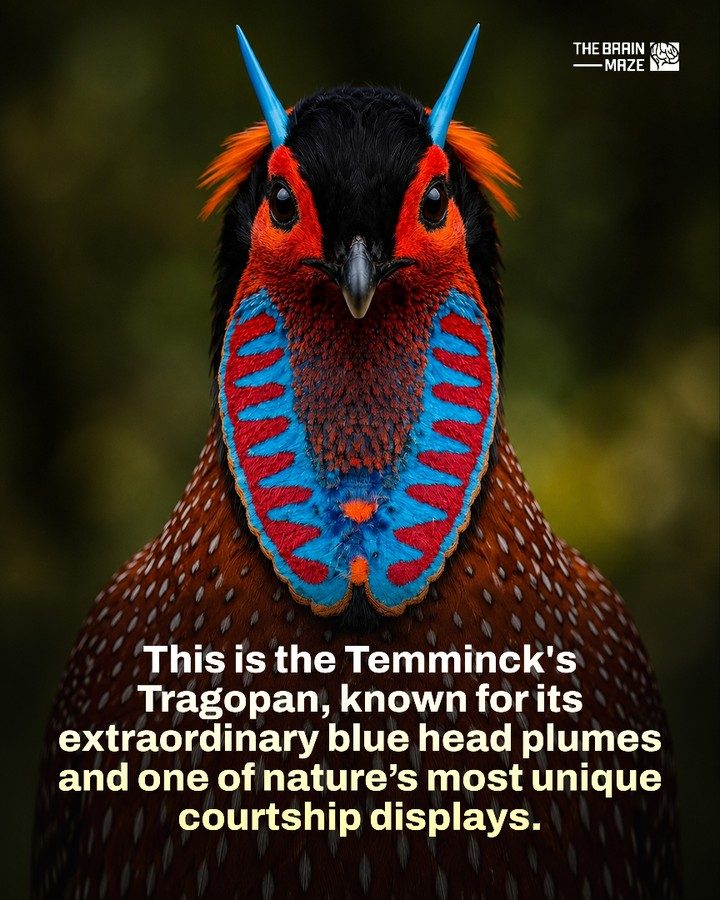
The Temminck's Tragopan: A Vibrant Masterpiece of Nature
The Temminck's Tragopan is renowned as one of the most vibrant and visually striking pheasants in the world. Known for its vivid orange plumage, distinctive blue facial skin, and dazzling courtship displays, this bird is a standout in the forests of the Himalayas and Southeast Asia. Its unique appearance and behavior make it a captivating subject for nature enthusiasts and ornithologists alike.
Context / Why this matters
The Temminck's Tragopan is more than just a beautiful bird; it is a testament to the wonders of natural evolution. Its vibrant colors and elaborate courtship rituals are not merely aesthetic; they serve critical functions in the bird's survival and reproduction. Understanding these aspects can provide deeper insights into the complexities of avian behavior and the intricate balance of ecosystems in which these birds thrive.
Main discussion
The Vibrant Plumage and Distinctive Features
The Temminck’s Tragopan is easily recognized by its vivid orange plumage and striking blue facial skin. This combination of colors is not only visually stunning but also plays a crucial role in the bird's survival. The bright colors serve as a beacon to attract mates during the breeding season. The male Tragopan uses its expandable neck feathers and vibrant plumage to put on a spectacular display, making it a true masterpiece of nature’s evolution.
The Unique Courtship Displays
One of the most fascinating aspects of the Temminck’s Tragopan is its unique courtship displays. These displays are not just about attracting a mate; they are a complex interplay of visual and auditory signals that help the bird communicate its fitness and readiness to mate. The male Tragopan uses its striking colors and elaborate movements to impress potential mates, making it a true spectacle of nature.
Habitat and Distribution
The Temminck’s Tragopan is primarily found in the forests of the Himalayas and Southeast Asia. These regions provide the ideal habitat for the bird, with dense vegetation and ample food sources. The bird's ability to thrive in these environments is a testament to its adaptability and resilience, making it a critical part of the ecosystem.
The unique courtship displays of the Temminck's Tragopan are a testament to the intricate dance of nature. These displays are not just visually stunning; they serve a critical purpose in the bird's reproductive success. The male Tragopan uses its vivid colors and elaborate movements to attract a mate, showcasing its fitness and readiness to reproduce.
The Role of Colors and Plumage
The vibrant colors and striking plumage of the Temminck’s Tragopan are not just for show; they play a crucial role in the bird's survival. The bright orange plumage and vivid blue facial skin serve as visual signals to potential mates, indicating the bird's health and fitness. These colors are also believed to play a role in camouflage, helping the bird blend into its forest habitat and avoid predators.
Courtship Rituals
The courtship rituals of the Temminck's Tragopan are a complex interplay of visual and auditory signals. The male Tragopan uses its vibrant plumage and elaborate movements to impress potential mates, showcasing its fitness and readiness to reproduce. These rituals are not just about attracting a mate; they are a critical part of the bird's reproductive success, ensuring that only the fittest individuals pass on their genes.
Practical tips
Observing the Temminck's Tragopan in the wild can be a challenging but rewarding experience. Here are some practical tips for those planning to embark on such an adventure:
- Choose the Right Time: The best time to observe the Temminck's Tragopan is during the breeding season, typically from April to June. During this period, the birds are more active and their courtship displays are at their most spectacular.
- Select the Right Location: The Temminck's Tragopan is found in the dense forests of the Himalayas and Southeast Asia. Some of the best places to spot these birds include Nepal, Bhutan, and parts of China and Southeast Asia.
- Be Patient and Quiet: The Temminck's Tragopan is a shy bird, and spotting one requires patience and stealth. Move slowly and quietly through the forest, and be prepared to wait for extended periods.
- Use Binoculars and Cameras with Care: Binoculars and cameras can enhance your observation experience, but use them carefully to avoid disturbing the birds. Always maintain a respectful distance and avoid using flash photography.
- Join a Guided Tour: If you are new to birdwatching or unfamiliar with the area, consider joining a guided tour. Local guides can provide valuable insights and increase your chances of spotting the Temminck's Tragopan.
Important takeaways
The Temminck's Tragopan is not just a visually stunning bird; it is a critical part of its ecosystem. Its vibrant colors and elaborate courtship displays are a testament to the wonders of natural evolution, and understanding these aspects can provide deeper insights into the complexities of avian behavior and the intricate balance of ecosystems in which these birds thrive.
Conclusion
The Temminck's Tragopan is a true masterpiece of nature, renowned for its vibrant plumage, distinctive features, and unique courtship displays. Whether you are a seasoned ornithologist or a casual nature enthusiast, observing this bird in its natural habitat is an experience that will leave you in awe of the wonders of the natural world. The next time you venture into the forests of the Himalayas or Southeast Asia, keep an eye out for this stunning pheasant and marvel at the beauty and complexity of nature's designs.
Watch the Reel
Questions readers ask
Why is the Temminck's Tragopan known for its vibrant appearance?
The Temminck's Tragopan is renowned for its striking orange plumage and distinctive blue facial skin. These features make it one of the most visually stunning pheasants in the world, capturing the attention of both nature enthusiasts and experts alike.
What is the significance of the Temminck's Tragopan's courtship displays?
The elaborate courtship displays of the Temminck's Tragopan are not only visually impressive but also serve critical functions in the bird's survival and reproduction. These displays help attract mates and reinforce social bonds within the species.
Where can the Temminck's Tragopan be found?
The Temminck's Tragopan is native to the forests of the Himalayas and Southeast Asia. These regions provide the ideal habitat for these birds, supporting their unique needs and characteristics.
What role do these birds play in their ecosystem?
As a part of their ecosystem, the Temminck’s Tragopan contributes to forest health by dispersing seeds and controlling insect populations. They are a vital part of the food chain, and their presence is essential for maintaining the balance of their habitats.
What makes the Temminck's Tragopan a subject of interest for ornithologists?
Ornithologists are interested in the Temminck's Tragopan due to its unique characteristics and behaviors. The bird's vibrant colors, distinctive features, and elaborate courtship rituals offer valuable insights into natural evolution and adaptation.
What are some key features of the Temminck's Tragopan's plumage?
The Temminck's Tragopan is characterized by its vivid orange feathers, which cover most of its body. The male birds, in particular, have a striking blue facial skin that complements their plumage, making them stand out in their natural habitat.
How do the courtship rituals of the Temminck's Tragopan contribute to their survival?
The courtship rituals of the Temminck's Tragopan are essential for their survival as they help in selecting strong and healthy mates. These rituals also reinforce social bonds and ensure that the species reproduces successfully, passing on their unique adaptations to future generations.
Related deep dives
Similar reads based on topic and creator.




Recent articles
Fresh deep dives from the latest Reels we unpacked.




Comments
Be the first to comment.