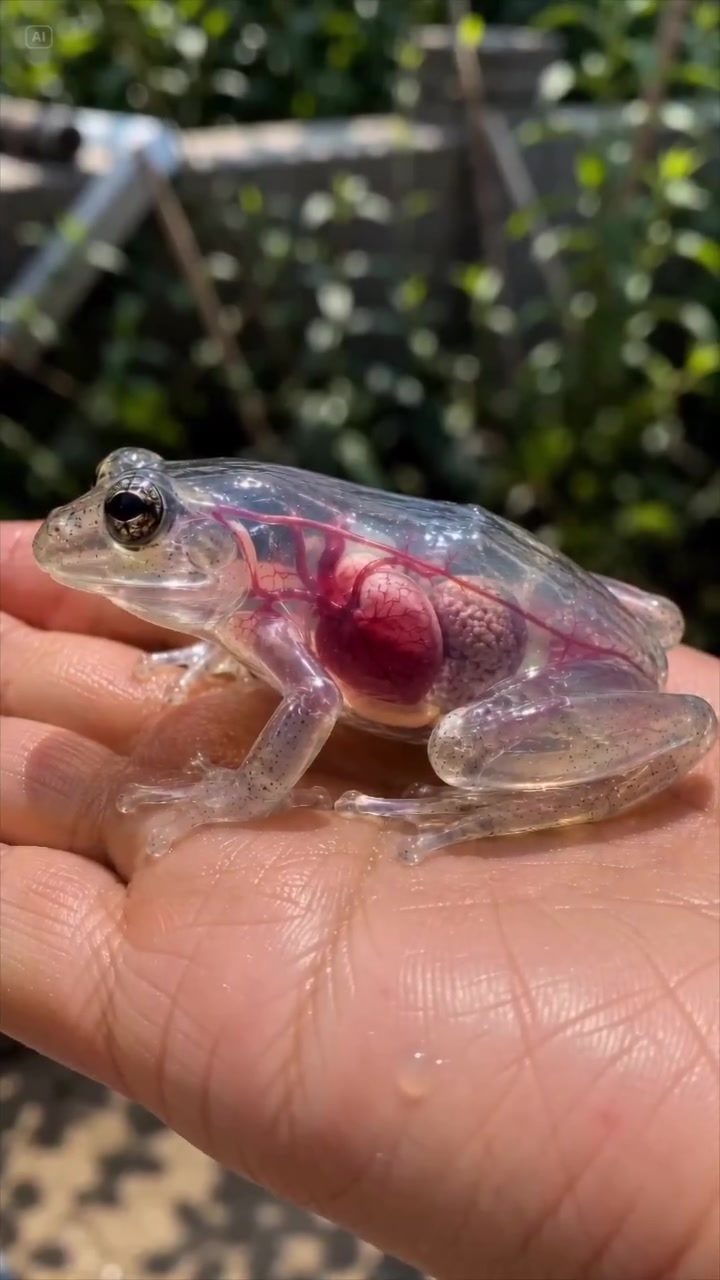
Glass Frogs: Nature's Transparent Marvels
Glass frogs are a captivating sight in the Amazon rainforest. These fascinating amphibians are known for their translucent skin, which provides a unique window into their internal anatomy. This remarkable feature allows viewers to see their heart, digestive system, and other vital organs, making them a subject of great interest for both scientists and nature enthusiasts.
Why This Matters
Glass frogs are more than just a curiosity; they offer valuable insights into amphibian biology and the delicate ecosystems of the Amazon rainforest. Their transparent skin is not just a visual marvel but also a testament to the incredible diversity and adaptability of life in this region. Understanding these frogs can help in broader conservation efforts, as they are indicators of the health of their habitats.
Main Discussion
The Unique Anatomy of Glass Frogs
The most striking feature of glass frogs is their translucent skin. This unique trait is particularly pronounced on their ventral side, allowing a clear view of their internal organs. This transparency is due to the thinness and clarity of their skin, which is almost see-through.
Internal Organs on Display
The translucent skin of glass frogs reveals their internal organs with remarkable clarity. You can see their beating heart, the movement of their digestive system, and even the flow of blood through their veins. This makes them a living laboratory for studying amphibian physiology.
Adaptations to Their Environment
The transparency of glass frogs serves an important survival function. It helps them blend into their surroundings, making them less visible to predators. This adaptation is crucial in the dense, lush environment of the Amazon rainforest, where camouflage is key to survival.
The Amazon Rainforest: A Habitat of Biodiversity
The Amazon rainforest is the largest and most biodiverse tropical rainforest in the world. It is home to an estimated 40,000 plant species, 1,300 bird species, 3,000 types of fish, 430 mammals, and 2.5 million different insects. This vast diversity includes the glass frogs, which thrive in the humid, tropical climate.
The Role of Glass Frogs
Glass frogs play a crucial role in the ecosystem of the Amazon rainforest. As both predators and prey, they help maintain the balance of the food chain. Their presence indicates a healthy ecosystem, as they are sensitive to environmental changes and pollution.
Conservation and Threats
While glass frogs are fascinating, they face numerous threats. Deforestation, pollution, and climate change all pose significant risks to their habitats and survival. Conservation efforts are essential to protect these unique creatures and their environment.
Deforestation and Habitat Loss
Deforestation is a major concern for glass frogs. The clearing of forests for agriculture, logging, and urban development destroys their habitats, pushing them closer to extinction. Protecting these habitats is crucial for the survival of glass frogs and the broader ecosystem.
Climate Change
Climate change affects the Amazon rainforest in various ways, including altering temperature and precipitation patterns. These changes can disrupt the delicate balance of the ecosystem, making it harder for glass frogs to survive. Efforts to mitigate climate change are vital for the long-term preservation of these amphibians.
Human Intervention
Human activities, such as pollution and habitat destruction, have a direct impact on glass frog populations. Conservation efforts, including the establishment of protected areas and sustainable practices, can help mitigate these threats.
Practical Tips
Observing Glass Frogs in the Wild
If you're planning to observe glass frogs in the wild or in a natural history museum, here are some practical tips to keep in mind:
- Respect Their Habitat: Always observe from a distance and avoid disturbing their environment.
- Use Binoculars or a Telephoto Lens: For a closer view without getting too close.
- Stay Quiet and Patient: Glass frogs are sensitive to noise and sudden movements, so staying quiet and patient can increase your chances of spotting them.
Conservation Efforts
You can contribute to the conservation of glass frogs and their habitat by:
- Supporting Conservation Organizations: Many organizations work to protect the Amazon rainforest and its inhabitants. Look for reputable organizations and consider donating or volunteering.
- Reducing Your Carbon Footprint: Climate change affects the Amazon rainforest, so reducing your carbon emissions can help. Consider using public transportation, energy-efficient appliances, and renewable energy sources.
- Promoting Sustainable Practices: Support businesses that promote sustainable practices and avoid products that contribute to deforestation.
Important Takeaways
- Glass frogs are unique amphibians with translucent skin, offering a clear view of their internal organs.
- They are found in the Amazon rainforest, a biodiversity hotspot with a delicate ecosystem.
- Their transparent skin is an adaptation that helps them blend into their environment, aiding in survival.
- Deforestation, pollution, and climate change pose significant threats to glass frogs and their habitat.
- Conservation efforts are crucial for the survival of these fascinating creatures and the health of the Amazon rainforest.
Conclusion
Glass frogs are a remarkable example of nature's ingenuity and the wonders of the Amazon rainforest. Their unique anatomy and the challenges they face in their habitat highlight the importance of conservation efforts. By understanding and appreciating these fascinating amphibians, we can contribute to the preservation of the diverse and fragile ecosystems they call home.
Watch the Reel
Questions readers ask
What makes the glass frog of the Amazon rainforest unique?
The glass frog's standout feature is its transparent skin, which allows observers to see its internal organs, such as the heart and digestive system. This unique characteristic makes it a fascinating subject for study and observation.
How does the transparent skin of a glass frog benefit researchers?
The see-through skin of glass frogs provides a non-invasive way for researchers to study their internal organs and physiological processes. This can offer insights into amphibian biology and the health of the Amazon rainforest's ecosystems.
Where can you find glass frogs in the wild?
The see-through frog is predominantly found in the Amazon rainforest. They inhabit the lush, humid environments of the rainforest, often near streams and bodies of water, where they can thrive.
How does the glass frog's transparency help in understanding the Amazon's biodiversity?
The unique trait of the glass frog contributes to our understanding of the Amazon's biodiversity by showcasing the incredible adaptations and variations of life in the region. Studying these frogs can reveal broader insights into the delicate ecosystems they inhabit.
Are there any conservation concerns for the Amazon's glass frogs?
While glass frogs are not currently listed as endangered, their habitats in the Amazon rainforest face threats from deforestation and climate change. Understanding and protecting these habitats is crucial for the survival of glass frogs and other species.
Can I find videos of glass frogs online?
Yes, there are numerous videos available online that showcase the fascinating see-through skin and unique behaviors of glass frogs. These videos can provide a closer look at their internal organs and natural habits.
Related deep dives
Similar reads based on topic and creator.




Recent articles
Fresh deep dives from the latest Reels we unpacked.




Comments
Be the first to comment.