Plant Hopper Nymphs: Tiny Insects with a Powerful Defense
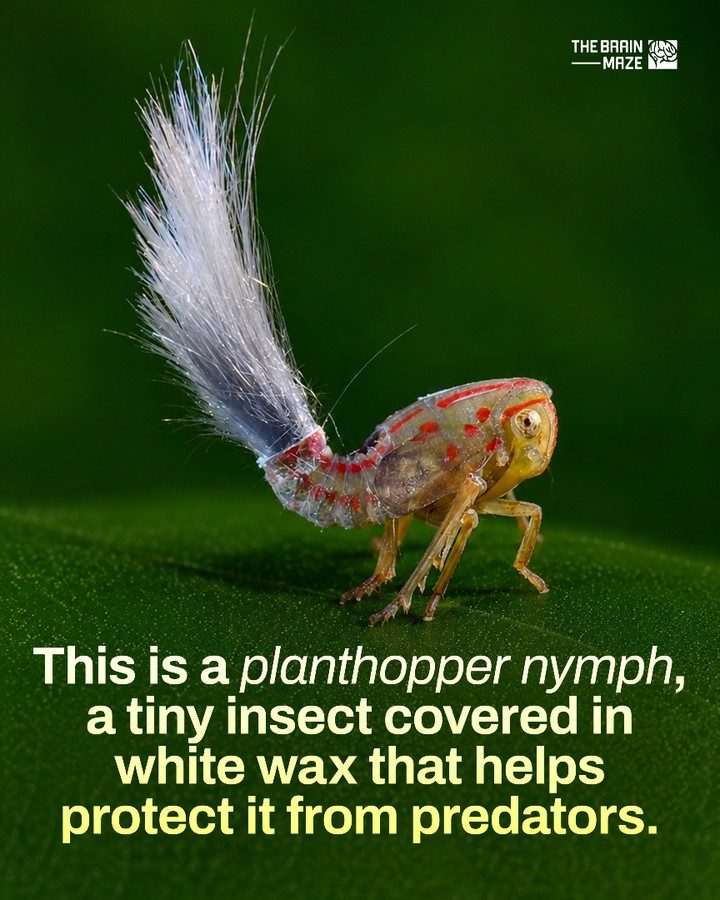
Plant hopper nymphs are fascinating creatures that, despite their small size, have developed impressive survival strategies. These tiny, wingless juvenile insects are known for their distinctive fluffy white wax coating, which serves multiple purposes in their defense against predators and parasites. Let's delve into the world of plant hopper nymphs to understand their unique characteristics and survival mechanisms.
Why This Matters
Understanding plant hopper nymphs provides valuable insights into the intricate defenses employed by small insects. Their strategies for survival can inspire innovative solutions in fields such as materials science and pest control.
The Life of a Plant Hopper Nymph
Feeding Habits
Plant hopper nymphs are juvenile insects that feed on plant sap. They possess specialized piercing-sucking mouthparts, which allow them to extract nutrients from plants efficiently. This feeding behavior is crucial for their growth and development.
Distinctive Features
The most striking feature of plant hopper nymphs is the fluffy white wax they secrete from glands on their abdomen. This wax serves several important functions:
- Camouflage: The wax coating helps the nymphs blend in with their surroundings, making them less visible to predators.
- Water Repellency: The wax repels water, keeping the nymphs dry and preventing mold or fungal infections that could be harmful.
- Protection from Predators and Parasites: The wax acts as a physical barrier, protecting the nymphs from being easily detected or harmed by predators and parasites.
Survival Strategies
Rapid Twitching and Impressive Leaps
When threatened, plant hopper nymphs have the ability to twitch rapidly or leap impressive distances. These rapid movements help them escape danger quickly, giving them a better chance of survival.
The Role of the Fluffy White Wax
The wax not only camouflages the nymphs but also plays a critical role in their defense. It serves as a physical barrier that can deter predators and parasites. The wax's ability to repel water further enhances the nymphs' survival by preventing fungal infections and keeping them dry.
Practical Tips for Observing Plant Hopper Nymphs
If you're interested in observing plant hopper nymphs, here are some practical tips:
- Look for Plants: Plant hopper nymphs are often found on plants, particularly in areas with dense vegetation.
- Use a Magnifying Glass: Due to their small size, a magnifying glass or a low-powered microscope can help you get a closer look at their distinctive features.
- Be Patient: These nymphs can be elusive, so patience is key. Spend time in areas where they are likely to be found and observe their behavior.
Important Takeaways
- Unique Defenses: Plant hopper nymphs have developed unique defense mechanisms, including a fluffy white wax coating that serves multiple protective functions.
- Feeding Behavior: Their specialized piercing-sucking mouthparts allow them to efficiently feed on plant sap.
- Survival Strategies: When threatened, these nymphs can rapidly twitch or leap impressive distances to escape danger.
Conclusion
Plant hopper nymphs are remarkable creatures with ingenious survival strategies. Their fluffy white wax coating, combined with their ability to rapidly twitch or leap, makes them fascinating subjects for study. Whether you're an avid nature enthusiast or a curious observer, understanding the lives of these tiny insects offers a glimpse into the intricate world of natural defenses and survival tactics.
Watch the Reel
Related deep dives
Similar reads based on topic and creator.




Recent articles
Fresh deep dives from the latest Reels we unpacked.




Comments
Be the first to comment.