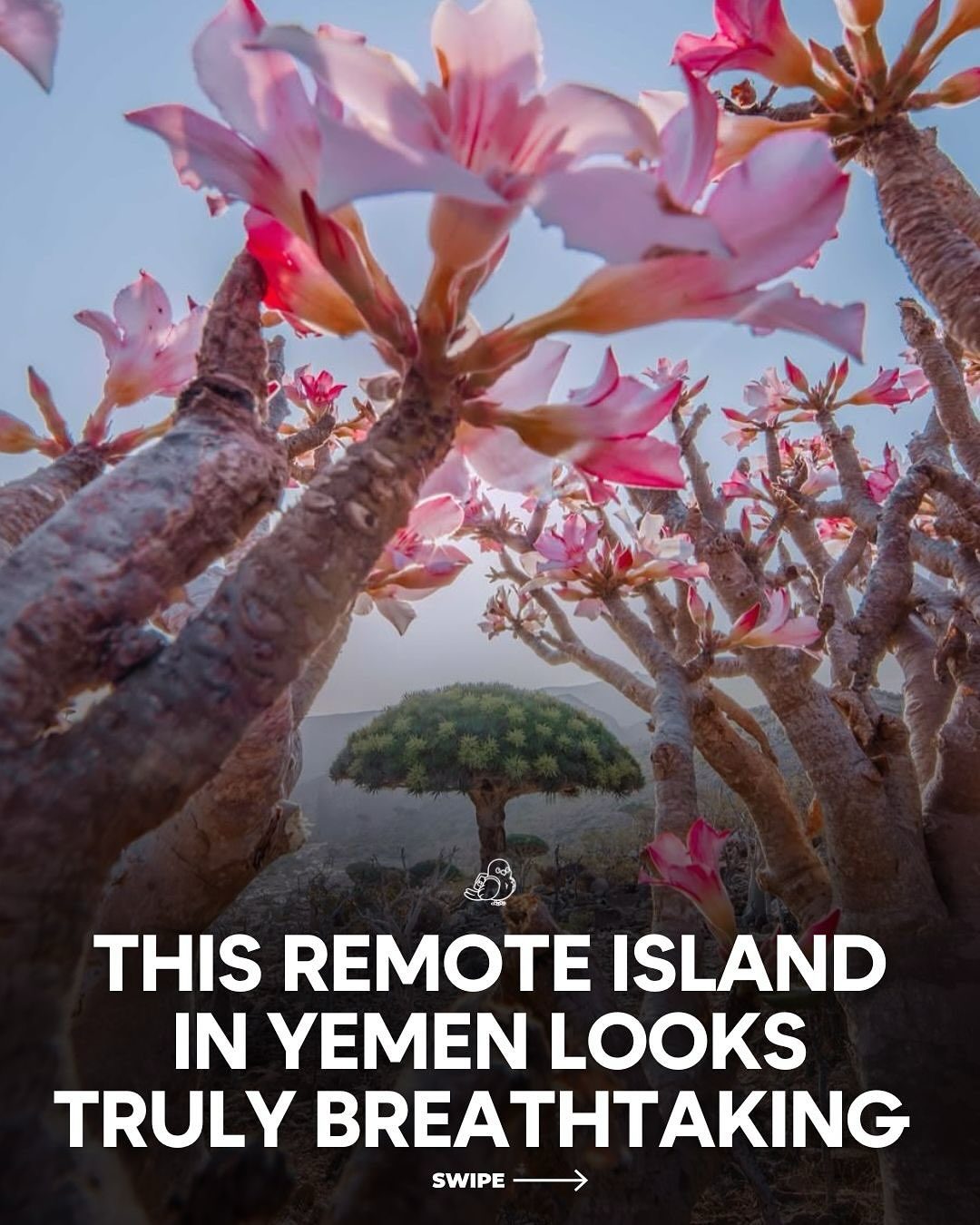
Socotra, Yemen: A Remote Island of Biodiversity
Socotra, a remote island in the Arabian Sea, is a place that feels like it belongs on another planet. Its isolation over millions of years has crafted one of the most unique ecosystems on Earth. Located off the coast of Yemen, Socotra is a living museum of biodiversity, teeming with plant and animal life found nowhere else.
Why This Matters
The island is home to over 825 plant species, and approximately 37% of these are endemic, meaning they are found exclusively on Socotra. The island's unique flora and fauna make it a critical hotspot for biodiversity. The rare and endangered species here serve as a reminder of the delicate balance of our planet's ecosystems. This biodiversity also supports the island's culture, which has evolved in harmony with its unique natural surroundings.
Main Discussion
Socotra's isolation has allowed its unique ecosystem to thrive. The island has avoided extensive human interference, resulting in an environment that is both delicate and extraordinary.
The Dragon's Blood Tree
One of the most iconic symbols of Socotra is the Dragon’s Blood Tree. This legendary tree is known for its red resin, which has inspired myths and legends for centuries. The tree's distinctive shape and vibrant color make it a standout feature of Socotra’s landscape. Its red sap has traditionally been used for various purposes, from medicinal remedies to dye.
Notably, the Dragon's Blood Tree is just one of the many unique plant species on the island. Socotra's flora includes a variety of endemic trees and shrubs, each adding to the island's otherworldly allure. The landscape is dotted with distinctive trees, clear turquoise waters, and lush greenery, creating a habitat that is both beautiful and biodiverse.
Wildlife and Marine Life
Socotra's wildlife is just as extraordinary as its plant life. Nearly all of its reptiles and land snails are endemic, meaning they are unique to the island. This high level of endemism makes Socotra a critical site for conservation efforts. The island’s marine life is equally remarkable, with the Detwah Lagoon being a notable example. This Ramsar wetland supports a variety of marine species, including rays and endangered birds.
The lagoon is a vital habitat for these species, providing a safe and nurturing environment. Its importance is further underscored by its designation as a Ramsar site, which recognizes its significance as a wetland of international importance. Beyond the lagoon, Socotra's coastal waters are home to a rich array of marine life, making it a prime spot for diving and snorkeling.
Cultural Heritage
Beyond its natural beauty, Socotra’s people preserve a unique culture. The island's inhabitants speak the endangered Soqotri language, which is a testament to their isolation and cultural heritage. This language is a critical part of the island’s identity, reflecting a way of life that has been shaped by the unique environment.
The Soqotri people live in harmony with the island's alien landscape, utilizing its resources sustainably. Their traditions and practices have evolved in response to the island’s unique conditions, resulting in a culture that is deeply rooted in its natural surroundings. The people of Socotra are the stewards of this fragile ecosystem, working to protect it for future generations.
Practical Tips
Visiting Socotra is an experience that goes beyond the typical tourist destination. Here are a few tips to help you make the most of your trip:
Sustainable Tourism
Socotra is a UNESCO World Heritage site, and its fragile beauty faces threats from climate change and overgrazing. Sustainable tourism is essential to preserve the island’s unique ecosystems. Travelers are encouraged to follow responsible travel practices, such as minimizing waste, respecting wildlife, and supporting local conservation efforts.
Best Time to Visit
The best time to visit Socotra is during the winter months, from November to April. During this period, the weather is mild and pleasant, making it ideal for exploring the island’s natural wonders. The summer months can be very hot, which may be challenging for visitors.
Must-See Attractions
Some of the must-see attractions on Socotra include the Dragon’s Blood Tree, Hoq Cave, and the ancient inscriptions found on the island. These sites offer a glimpse into the island’s rich history and natural heritage. Additionally, a visit to the Detwah Lagoon is a must for anyone interested in marine life and birdwatching.
Important Takeaways
Socotra, Yemen, is a remote island in the Arabian Sea that boasts one of the most unique ecosystems on Earth. Its isolation over millions of years has allowed for the development of a remarkable biodiversity, with over 825 plant species, many of which are endemic. The island is home to the legendary Dragon’s Blood Tree, known for its vibrant red resin, and a rich variety of wildlife, including endemic reptiles and land snails.
The island’s cultural heritage is as unique as its natural environment. The Soqotri people, who speak the endangered Soqotri language, have lived in harmony with the island’s alien landscape for centuries. Their traditions and practices are deeply rooted in the island’s natural surroundings, making them the stewards of this fragile ecosystem.
Conclusion
Socotra is a living museum of biodiversity, offering a glimpse into a world that feels like it belongs on another planet. Its unique ecosystem, rich cultural heritage, and extraordinary natural beauty make it a destination unlike any other. Whether you are a nature enthusiast, a cultural explorer, or simply seeking a truly unique travel experience, Socotra is a place that will leave a lasting impression. By embracing sustainable tourism practices, visitors can help preserve this fragile ecosystem for future generations to enjoy.
Watch the Reel
Questions readers ask
What makes Socotra Island unique among other Arabian Sea islands?
Socotra stands out due to its remarkable isolation, which has led to the evolution of a vast number of endemic plant and animal species. The island's biodiversity is unparalleled, with nearly 37% of its 825 plant species found nowhere else on Earth.
How has the unique environment of Socotra shaped its culture?
The island's distinctive ecosystem and biodiversity have fostered a culture that has developed in harmony with its natural surroundings. The local culture has adapted to the unique landscape and has traditionally relied on the island's resources for survival.
What are some of the notable tree species found on Socotra Island?
Socotra is home to several notable tree species, including the dragon's blood tree, which is renowned for its distinctive shape and red resin. Other unique tree species include the desert rose and the frankincense tree, which have adapted to the island's arid conditions and harsh climate.
Why is Socotra considered a critical biodiversity hotspot?
With its high number of endemic species, Socotra plays a crucial role in global biodiversity. The island serves as a living museum of unique plants and animals, many of which are rare and endangered. This makes it a critical area for conservation efforts to preserve the delicate balance of its ecosystem.
What can visitors expect to see when exploring Socotra Island?
Visitors can expect to encounter a landscape unlike any other, with unique geological formations, pristine beaches, and a vast array of exotic flora and fauna. The island's biodiversity is visible in its lush forests, arid plains, and marine environments, offering a rich tapestry of natural wonders.
What precautions should backpackers take when visiting Socotra Island?
Backpackers should be prepared for the island's remote location and challenging terrain. It is essential to plan for limited resources and infrastructure. Visitors should also respect the island's delicate ecosystem by adhering to sustainable travel practices, such as leaving no trace and minimizing disturbance to local wildlife.
Related deep dives
Similar reads based on topic and creator.




Recent articles
Fresh deep dives from the latest Reels we unpacked.



Comments
Be the first to comment.