Saharan Oasis
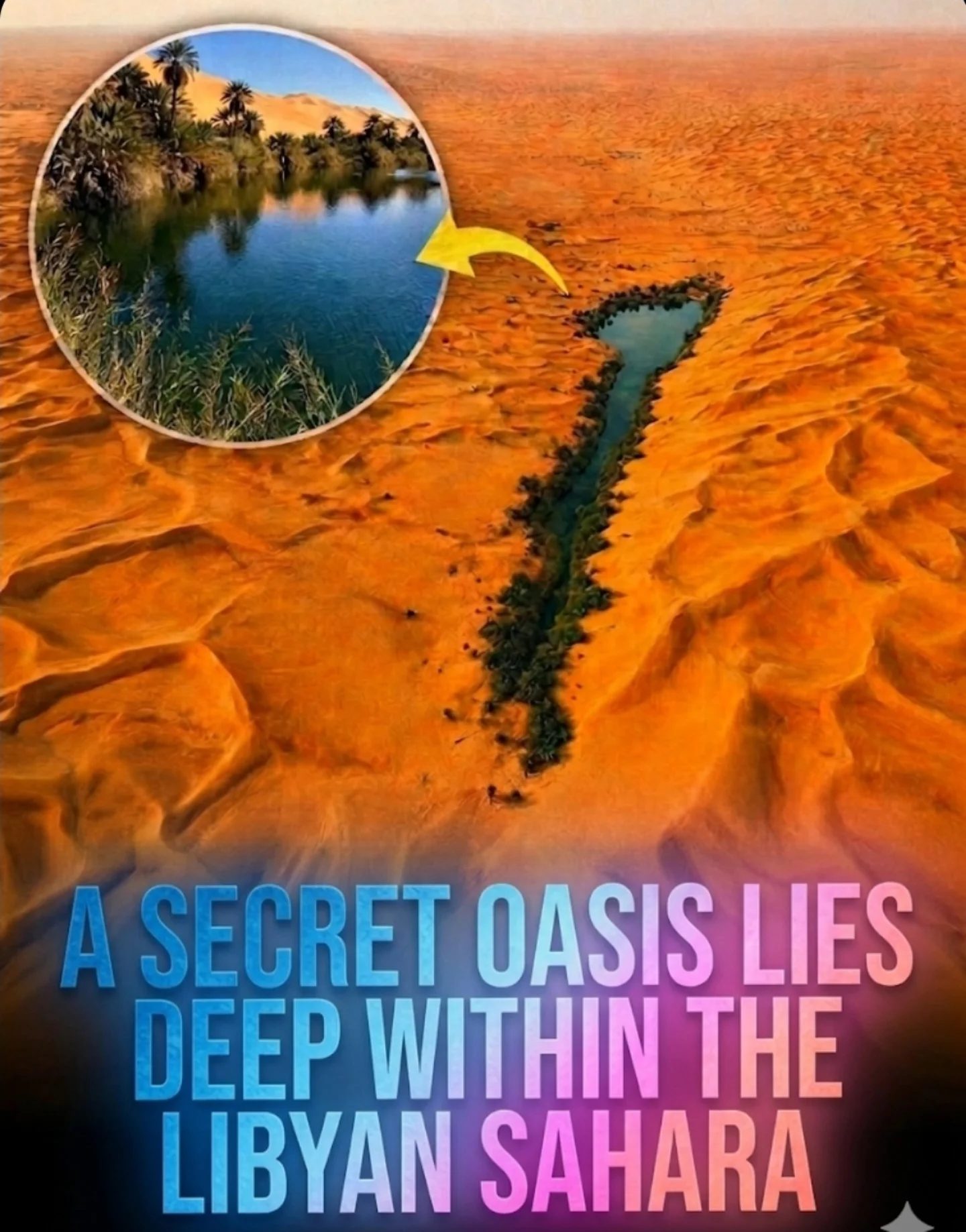
Hidden within the vast, undulating dunes of the Libyan Sahara lies a geological marvel: an oasis that showcases a striking contrast between the arid, golden-orange sands and the lush, palm-fringed shoreline of a deep blue lake. Often associated with the Ubari Sand Sea, this oasis is one of the rare ecological havens in one of the world's harshest environments. The oasis is sustained by ancient underground aquifers, allowing life to flourish amidst extreme desert conditions. This natural wonder is often referred to as a "secret" oasis, emphasizing its mysterious and remote nature.
Why This Matters
The Libyan Sahara is one of the most inhospitable regions on Earth, characterized by its vast expanses of sand and extreme temperatures. The presence of an oasis in such a harsh environment is a testament to the resilience of life. These oases serve as crucial ecosystems, providing shelter and resources for various plant and animal species. They also hold significant cultural and historical importance, often serving as vital stops for travelers and nomadic communities.
The Geology and Ecology of the Oasis
Ancient Aquifers
The oasis is sustained by ancient underground aquifers, which are bodies of water trapped beneath layers of sand and rock. These aquifers are relics of a wetter climate that existed thousands of years ago. Over time, the water has been slowly leaking into the surface, creating these lush, life-sustaining pockets.
Unique Flora and Fauna
The Libyan Sahara oasis is home to a diverse range of flora and fauna that have adapted to the unique conditions. Palm trees line the shoreline, providing shade and shelter. The waterway supports various plant species, including grasses and shrubs. Animal life includes birds, reptiles, and small mammals that have learned to thrive in this isolated environment.
The Ubari Sand Sea
The Ubari Sand Sea is a vast area of sandy desert located in the southwest of Libya. It is known for its sand dunes and is part of a larger geological feature known as the Great Eastern Erg. The oasis, nestled within this sea of sand, is a striking contrast to its surroundings. The golden-orange sands of the desert create a backdrop that emphasizes the deep blue waters and lush greenery of the oasis.
How to Experience the Oasis
Aerial View
Capturing the beauty of the oasis from above provides a unique perspective. The contrast between the golden sands and the vibrant greenery of the oasis is most striking when viewed from the air. This perspective reveals the intricate patterns of the sand dunes and the serene beauty of the waterway.
Ground Exploration
For those who prefer a more hands-on experience, exploring the oasis on foot offers a closer look at the diverse plant and animal life. Walking through the palm trees and along the shoreline provides a sense of the resilience of life in this harsh environment. Remember to be mindful of the delicate ecosystem and avoid disturbing the natural habitat.
Practical Tips
Best Time to Visit
The best time to visit the Libyan Sahara oasis is during the cooler months, from October to April. During this period, the temperatures are more bearable, making it easier to explore the area. However, even during these months, it's essential to be prepared for the harsh conditions and bring plenty of water and protective gear.
What to Bring
When visiting the oasis, it's essential to be well-prepared. Pack plenty of water, sunscreen, a hat, and protective clothing. A map and a compass are also useful, as the terrain can be disorienting. If you plan to camp, bring a tent and sleeping bag suitable for desert conditions.
Respecting the Environment
The oasis is a delicate ecosystem, and it's crucial to respect its natural beauty. Avoid disturbing the plants and animals, and be mindful of your water usage. Littering is strictly prohibited, and it's essential to leave the area as you found it.
Important Takeaways
Visiting the Libyan Sahara oasis is a unique and unforgettable experience. The stark contrast between the arid desert and the lush greenery of the oasis creates a mesmerizing landscape. The ancient underground aquifers that sustain the oasis are a testament to the resilience of life in even the harshest environments. By being mindful of the delicate ecosystem and respecting the natural habitat, you can help preserve this geological marvel for future generations to enjoy.
Conclusion
The Saharan oasis in the Libyan Sahara is a geological marvel that showcases the resilience of life in one of the world's harshest environments. Whether viewed from the air or explored on foot, the contrast between the arid desert and the lush greenery of the oasis is a sight to behold. By understanding the unique geology and ecology of the oasis, and by being mindful of the delicate ecosystem, visitors can help preserve this natural wonder for future generations to enjoy. This hidden gem of the Sahara is a testament to the beauty and resilience of our planet's natural wonders.
Watch the Reel
Questions readers ask
How is the Libyan Sahara oasis able to sustain life in such an extreme environment?
The oasis is sustained by ancient underground aquifers, which provide a consistent water source. This allows for the growth of plant life and supports a unique ecosystem in the heart of the desert.
What makes the Libyan Sahara oasis a geological marvel?
The oasis is a geological marvel due to its stark contrast of lush greenery and deep blue waters against the desert's golden-orange sands. This unique landscape is a rare sight in a desert environment.
Where is the Libyan Sahara oasis located?
The oasis is hidden within the vast, undulating dunes of the Libyan Sahara, often associated with the Ubari Sand Sea. Its remote location adds to its mysterious and secretive nature.
What role do ancient underground aquifers play in the Libyan Sahara oasis?
Ancient underground aquifers are crucial for the oasis' existence. They supply the water needed to maintain the lush vegetation and support the diverse plant and animal life in the desert.
Why is the Libyan Sahara oasis considered a secret oasis?
The oasis is referred to as a 'secret' due to its remote and mysterious nature. Its hidden location amidst the vast sand dunes makes it a lesser-known gem in the Sahara Desert.
What kind of ecosystem can be found in the Libyan Sahara oasis?
The oasis supports a unique ecosystem with diverse plant and animal life. The lush greenery and water supply create a haven for life amidst the harsh desert conditions.
What geographical features surround the Libyan Sahara oasis?
The oasis is surrounded by vast, undulating sand dunes characteristic of the Libyan Sahara. The contrast between the golden-orange sands and the lush, palm-fringed shores of the oasis creates a striking landscape.
Related deep dives
Similar reads based on topic and creator.




Recent articles
Fresh deep dives from the latest Reels we unpacked.


Comments
Be the first to comment.