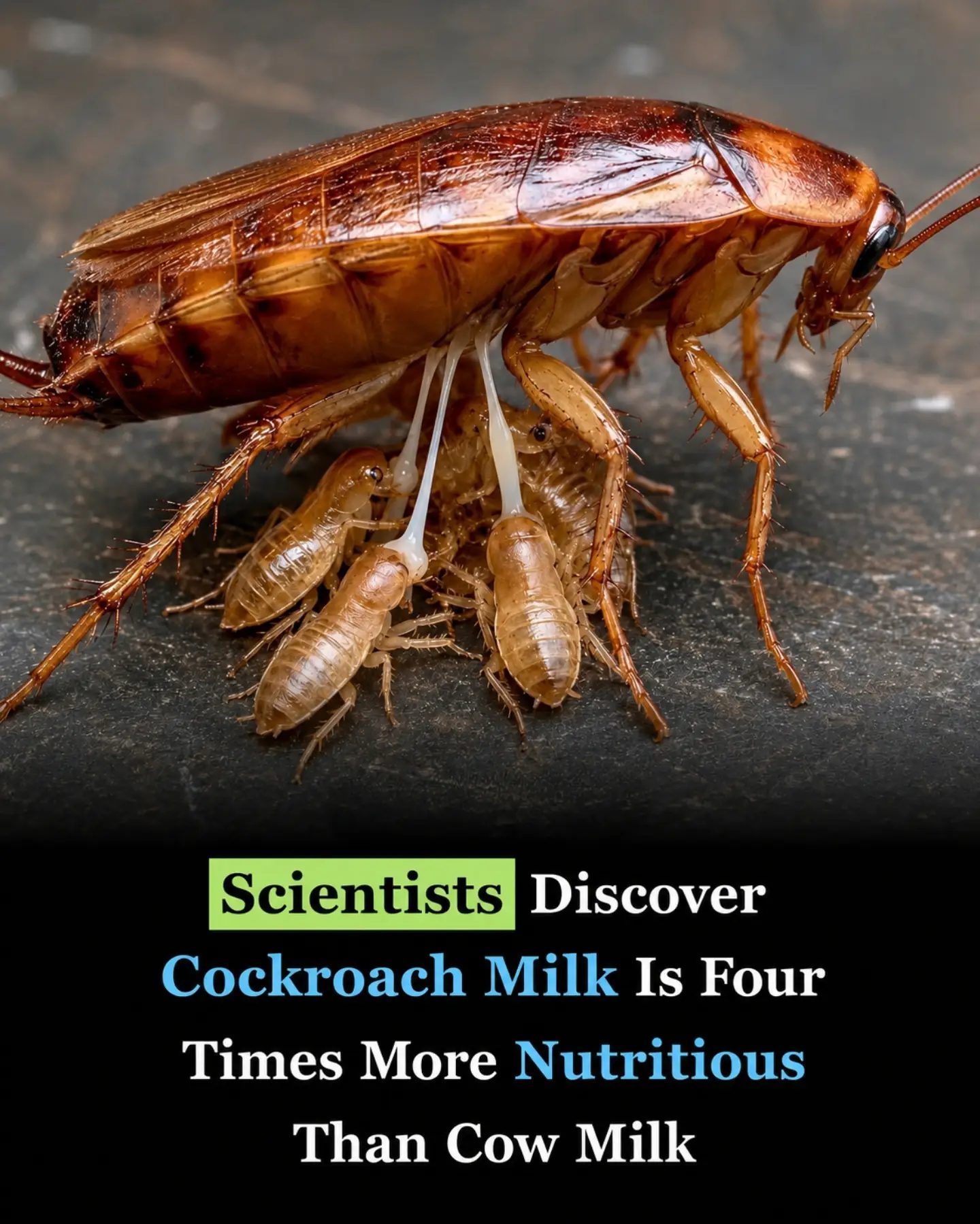
Cockroach Milk: A Surprising Source of Nutrition
Cockroach milk is, surprisingly, gaining attention for its intriguing nutritional properties. Recent discoveries suggest that this unusual source is far more nutritious than traditional cow milk, sparking interest in its potential benefits.
Context / Why This Matters
The idea of milk from a cockroach might seem unconventional, even repulsive, to many. However, the scientific community has uncovered some fascinating insights into the nutritional content of this substance. Understanding the unique properties of cockroach milk can offer valuable perspectives on alternative protein sources, especially in a world where traditional dairy farming faces various challenges.
Main Discussion
The Basics of Cockroach Milk
To start, it's important to clarify what cockroach milk actually is. Cockroach milk is not a liquid; it's a protein crystal produced by the Pacific beetle cockroach (Diploptera punctata). These crystals are formed in the organism's midgut and are passed on to their young, providing a concentrated source of nutrition.
The milk is produced in the form of highly nutritious protein crystals. These structures are rich in essential amino acids, making them a potent source of protein. This discovery has caught the attention of nutritionists and scientists, who are intrigued by the possibility of harnessing these nutritional benefits for human consumption.
Nutritional Comparison: Cockroach Milk vs. Cow Milk
Scientists have found that cockroach milk is approximately four times more nutritious than cow milk. This claim is based on the high concentration of proteins and essential nutrients found in the crystals. The proteins in cockroach milk are unique in their structure, which allows for efficient absorption and utilization by the body.
In comparison, cow milk is a well-established source of protein and calcium, but it lacks some of the unique amino acid profiles found in cockroach milk. The crystals from cockroach milk contain more than three times the energy content of cow's milk, which could make it a valuable supplement for athletes or individuals with high protein needs.
Additionally, the protein crystals from cockroach milk are highly stable. They can withstand extreme temperatures and harsh conditions, making them a durable source of nutrition. This stability could be particularly useful in food production and distribution, where maintaining nutritional integrity is crucial.
Potential Applications and Challenges
The discovery of cockroach milk's nutritional value opens up several potential applications. One of the most promising areas is in the development of supplemental nutrition products. For example, protein powders and dietary supplements could be enriched with cockroach milk proteins to provide a more potent nutritional boost.
Another area of interest is in space exploration. The durability and high nutritional content of cockroach milk make it an attractive option for long-term space missions, where efficient and stable nutrient sources are essential. Scientists are exploring the feasibility of integrating cockroach milk into space meal plans.
However, there are significant challenges to overcome before cockroach milk can be widely adopted. The primary hurdle is the public's perception of cockroaches as pests and carriers of disease. Overcoming this psychological barrier will require extensive education and possibly restructuring the way cockroach milk is presented and processed.
Practical Tips
For those interested in the potential benefits of cockroach milk, it's important to understand that this is still a developing area of research. If you're curious about incorporating alternative protein sources into your diet, consider the following tips:
-
Stay Informed: Keep an eye on the latest research and developments in the field of alternative protein sources. Scientific breakthroughs happen regularly, and staying informed will help you stay ahead of the curve.
-
Explore Other Alternative Proteins: Besides cockroach milk, there are other alternative protein sources like insect-based proteins, plant-based proteins, and lab-grown meat. Exploring these options can provide a well-rounded understanding of the market and potential benefits.
-
Consult Professionals: Before making any significant changes to your diet, consult with a healthcare provider or a nutritionist. They can provide personalized advice and ensure that any new additions to your diet are safe and beneficial.
-
Support Research: Advancements in this field require continuous research and funding. Supporting organizations and researchers working in this area can help drive innovation and discovery.
Important Takeaways
The discovery of cockroach milk's nutritional benefits highlights the potential of alternative protein sources. While the idea may be unconventional, the science behind it is compelling. Key takeaways include:
- Cockroach milk is a highly nutritious protein crystal produced by the Pacific beetle cockroach.
- It contains approximately four times the energy content of cow milk.
- The protein crystals are stable and can withstand extreme conditions.
- Potential applications include dietary supplements and space exploration.
- Public perception and ethical considerations are significant challenges to overcome.
Conclusion
Cockroach milk represents an exciting frontier in the world of nutrition. While it may be an unconventional source, the potential benefits are undeniable. As research continues to uncover more about this unique substance, it could play a role in addressing future nutritional challenges. Whether it becomes a staple in our diets or remains a niche interest, one thing is clear: the world of nutrition is constantly evolving, and cockroach milk is a fascinating addition to the mix.
Watch the Reel
Questions readers ask
What exactly is cockroach milk and how is it produced?
Cockroach milk is not milk in the traditional sense. It is a protein crystal produced by the Pacific beetle cockroach. The cockroach produces these crystals to feed its young, which are then consumed by the nymphs (baby cockroaches) to aid their growth.
Why is cockroach milk considered a rich source of nutrition?
Cockroach milk is highly nutritious due to its high concentration of essential amino acids. In fact, it has approximately four times the nutritional value of traditional cow milk, making it an intriguing alternative protein source.
How does the protein in cockroach milk compare to other protein sources?
The protein found in cockroach milk is highly efficient and easily digestible. It contains all essential amino acids, making it a complete protein source. This sets it apart from many plant-based protein sources that often lack one or more essential amino acids.
What are the potential benefits of using cockroach milk as an alternative protein source?
Cockroach milk could offer a sustainable, high-protein alternative, especially in situations where traditional dairy farming is challenging. Its production does not require land, water, or resources to the same extent as traditional livestock farming, making it an eco-friendly option.
Is cockroach milk safe for human consumption?
While the nutritional benefits are promising, cockroach milk has not yet been approved for human consumption. Extensive research and testing are required to ensure its safety and to develop a feasible method of large-scale production.
Related deep dives
Similar reads based on topic and creator.




Recent articles
Fresh deep dives from the latest Reels we unpacked.




Comments
Be the first to comment.