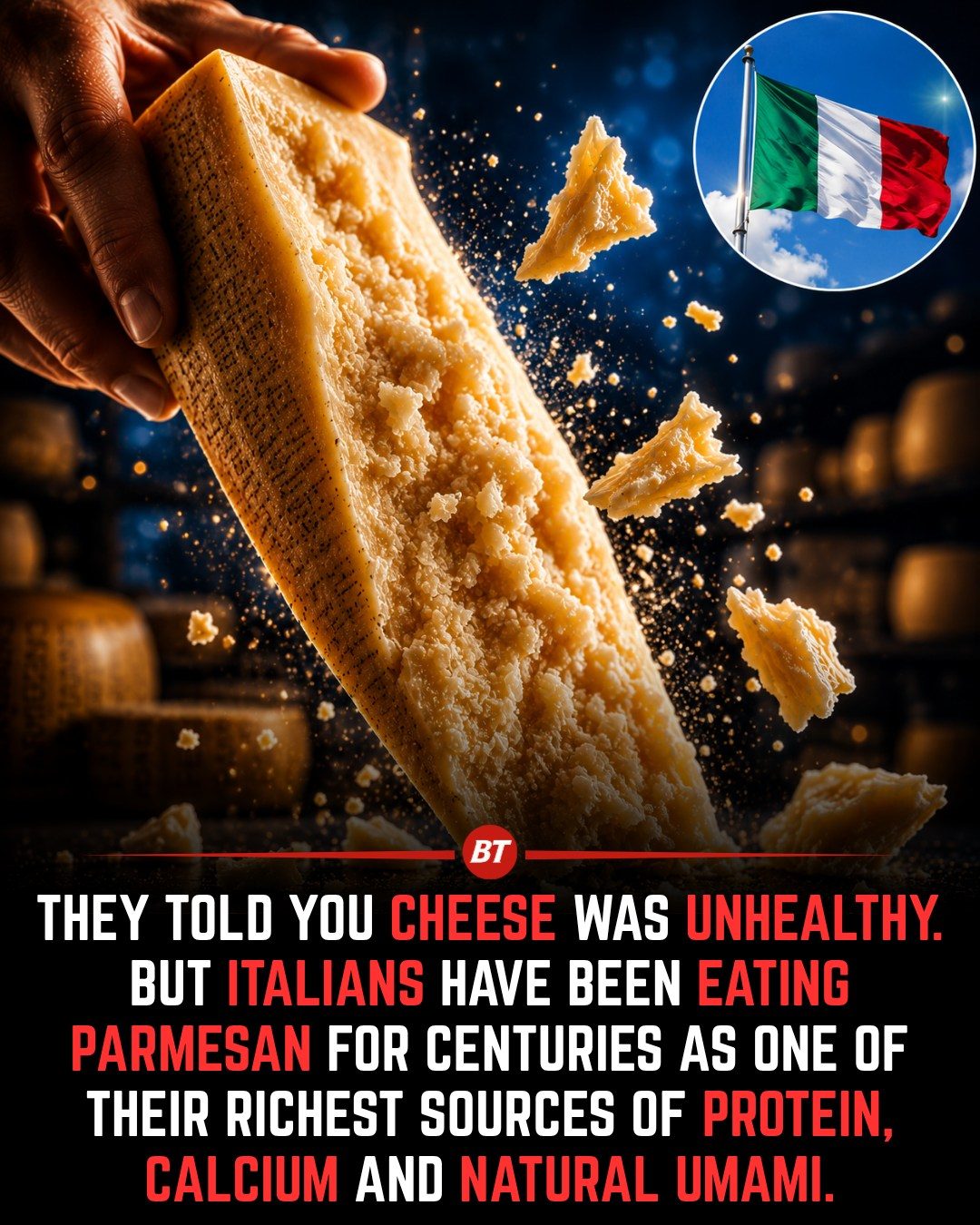
Parmesan Cheese: A Nutritional Powerhouse
Parmesan cheese, a staple in Italian cuisine for centuries, is more than just a flavorful addition to meals. It is a rich source of protein, calcium, and natural umami, making it a valuable component of a balanced diet. This aged cheese, made from just milk, salt, and rennet, has been a nutritional staple in northern Italy long before the advent of protein powders and fortified foods.
Context: Why This Matters
Understanding the nutritional benefits of Parmesan cheese can help reframe the perception of cheese as an unhealthy food. Parmigiano Reggiano, the traditional name for Parmesan cheese, offers a dense nutritional profile that evolves as the cheese ages. The slow evaporation of moisture during the aging process concentrates its protein, calcium, and flavor, making it a rich source of essential nutrients.
Historical Significance
Parmesan cheese has been a part of Italian dietary traditions for centuries. Its use as a flavorful finishing ingredient rather than a main component aligns with the Mediterranean diet, which is known for its balanced and healthy approach to eating. This historical context highlights the cheese's role in providing both flavor and nutrition without the need for large portions.
Main Discussion
Nutritional Profile
Parmesan cheese is celebrated for its complete protein content, meaning it contains all nine essential amino acids necessary for muscle building and repair. A single serving of Parmesan provides a significant amount of calcium, a mineral crucial for strong bones, healthy teeth, muscle contraction, and nerve function. Additionally, its low lactose content makes it easier to digest for many people with lactose intolerance.
The Aging Process
The long aging process of Parmesan cheese contributes to its distinctive umami flavor while also making many of its proteins easier to digest. Research published in the Journal of Dairy Science has shown that the aging process breaks down milk proteins into smaller peptides and free amino acids. This breakdown not only enhances the cheese's flavor but also improves its digestibility.
Versatility in Cooking
Parmesan cheese is incredibly versatile and can be used in a variety of dishes. It can be grated over vegetables, soups, eggs, or whole-grain pasta to add a boost of protein, calcium, and natural umami. Adding a small portion of Parmesan to a dish enhances both its nutritional value and its savory flavor without the need for large amounts of cheese.
Practical Tips
Incorporating Parmesan into Your Diet
To maximize the benefits of Parmesan cheese, consider the following tips:
- Use as a Finishing Touch: Grate a small amount of Parmesan over your favorite dishes to enhance their flavor and nutritional content.
- Pair with Whole Grains: Combine Parmesan with whole-grain pasta or bread to create a balanced meal that includes both protein and fiber.
- Enhance Vegetable Dishes: Add a sprinkle of Parmesan to vegetable dishes to boost their nutritional value and make them more satisfying.
Moderation is Key
While Parmesan cheese offers numerous health benefits, it is also relatively high in sodium. Therefore, it is important to consume it in moderation. A small amount of Parmesan can go a long way in adding flavor and nutrition to a dish without exceeding recommended sodium intake.
Storing Parmesan Cheese
To maintain the quality and freshness of Parmesan cheese, store it properly. Wrap the cheese tightly in plastic wrap or parchment paper and place it in an airtight container. Keep it in the refrigerator to preserve its flavor and texture. If the cheese develops a hard rind, you can remove it and use the softer interior for cooking.
Important Takeaways
Parmesan cheese is not just a delicious addition to meals; it is a nutritional powerhouse that has been valued in Italian cuisine for centuries. Its complete protein content, rich calcium levels, and natural umami flavor make it a valuable component of a balanced diet. By incorporating Parmesan cheese into your meals in moderation, you can enjoy its health benefits while savoring its rich, savory taste.
Conclusion
Parmesan cheese offers a unique blend of flavor and nutrition that has stood the test of time. Its historical significance, nutritional profile, and versatility in cooking make it a valuable addition to any diet. Whether used as a finishing touch or a flavorful ingredient, Parmesan cheese can enhance both the taste and nutritional content of your meals.
Watch the Reel
Questions readers ask
What makes Parmesan cheese a high-quality source of protein?
Parmesan cheese contains complete proteins, which means it provides all nine essential amino acids that the human body needs. This makes it an excellent choice for those looking to increase their protein intake through natural food sources. Additionally, aged Parmesan cheese has a higher concentration of protein due to the evaporation of moisture during the aging process.
Why is Parmesan cheese an excellent source of calcium?
Parmesan is a rich source of natural calcium and delivers this mineral in a form that is easily absorbed by the body. This is particularly beneficial for bone health, which makes Parmesan an excellent addition to meals for people of all ages, especially for those looking to maintain bone density.
What is umami and why is it found in Parmesan cheese?
Umami is a savory taste that adds depth of flavor to dishes. It is naturally present in Parmesan cheese due to the breakdown of proteins during the aging process. This makes Parmesan a valuable ingredient in cooking, as it enhances the overall taste of meals without the need for excessive salt or other additives.
How does the aging process affect Parmesan cheese's nutritional content?
The aging process of Parmesan cheese, which can last up to 36 months, concentrates its nutritional content by allowing moisture to evaporate. This results in a higher concentration of proteins, calcium, and other nutrients, making aged Parmesan a more nutrient-dense food compared to its younger counterparts.
What are the historical roots of Parmesan cheese in Italian cuisine?
Parmesan cheese, known in Italy as Parmigiano Reggiano, has been a staple in Italian cuisine for centuries. Originating in the Po Valley, this cheese has been an essential part of Italian cooking for over 900 years. Its traditional preparation involves just three ingredients: milk, salt, and rennet, making it a pure and natural food.
What are the benefits of consuming complete proteins like those found in Parmesan cheese?
Complete proteins, like those found in Parmesan cheese, provide all the essential amino acids that the body needs to function properly. These proteins are crucial for building and repairing tissues, producing enzymes and hormones, and supporting overall health. They are particularly beneficial for athletes and individuals looking to maintain or build muscle mass.
How can Parmesan cheese enhance the flavor of meals?
Parmesan cheese is known for its rich, savory umami flavor, which adds depth to a variety of dishes. It can be used as a topping for pasta, salads, soups, and even baked goods. This makes it a versatile ingredient in the kitchen, perfect for enhancing the taste of meals without overwhelming other flavors.
Related deep dives
Similar reads based on topic and creator.




Recent articles
Fresh deep dives from the latest Reels we unpacked.




Comments
Be the first to comment.