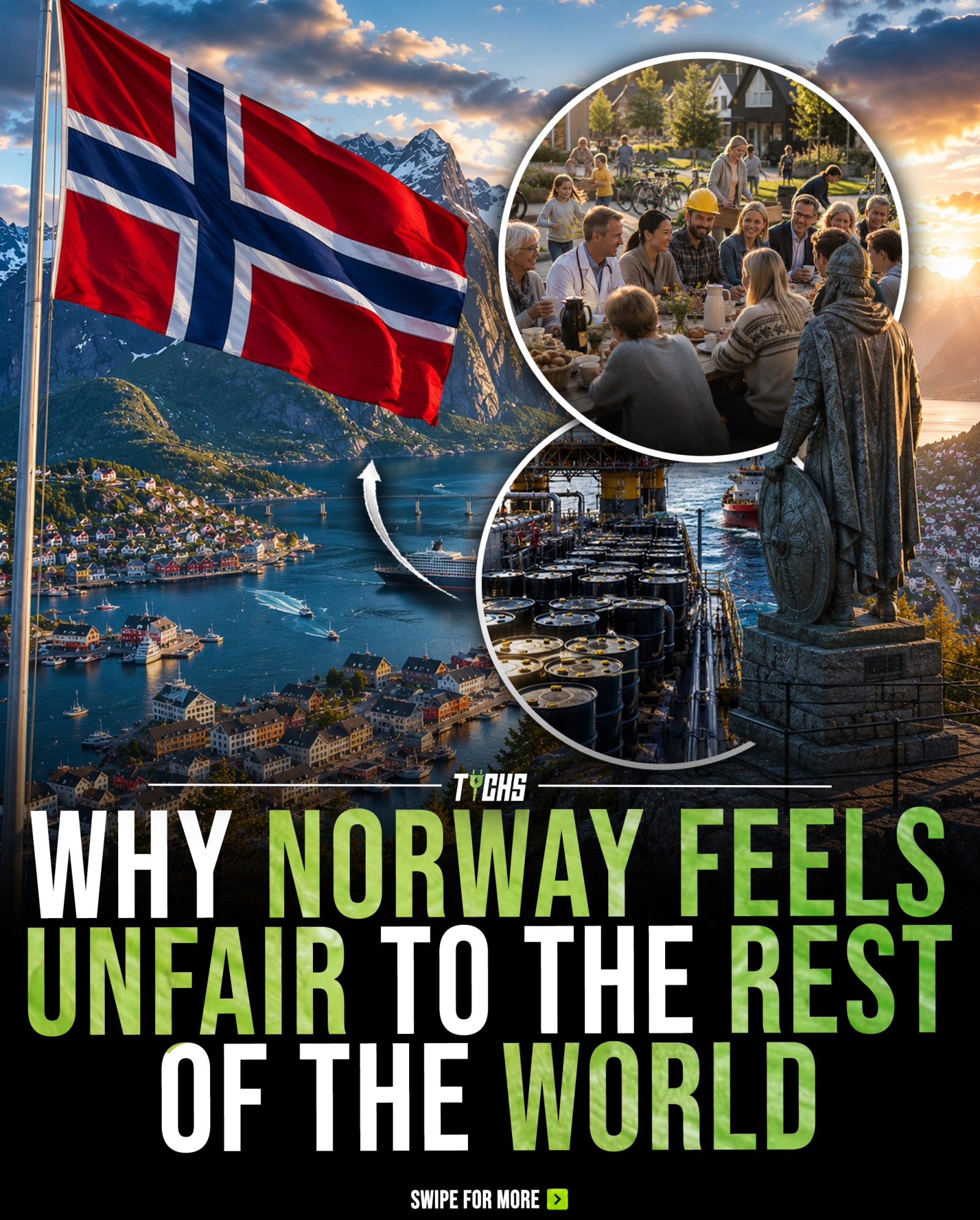
Why Norway Feels Unfair to the Rest of the World
Norway is often referred to as the world’s most “unfair” country. This is not a critique of its morality, but rather an acknowledgment of the significant advantages its citizens enjoy. These advantages are difficult for many other countries to match. The reasons behind this perception are multifaceted, involving a combination of responsible governance, long-term planning, and a unique cultural ethos.
Why This Matters
Norway’s unique approach to governance and societal structure has placed it at the top of various global rankings for quality of life and human development. Understanding what makes Norway so successful can provide valuable insights for other nations aiming to improve their own societal standards.
Norway's Economic Strategy
One of the primary reasons Norway feels unfair to the rest of the world is its effective management of natural resources, particularly its oil wealth. The country has invested this wealth through one of the world’s largest sovereign wealth funds, ensuring that the benefits of this resource are spread across generations. This long-term planning and responsible resource management have been key to Norway’s economic stability and growth.
Higher Education and Accessibility
Another significant advantage is Norway’s commitment to education. The country offers government-funded higher education for most Norwegian and EEA (European Economic Area) students. This policy ensures that education is accessible to a broad segment of the population, fostering a well-educated workforce and a robust economy.
Low Corruption Levels
Norway’s reputation for low corruption levels is another factor that sets it apart. The country’s strong public institutions and stringent anti-corruption measures have helped maintain a high degree of transparency and accountability in governance. This has, in turn, fostered a sense of trust among citizens and encouraged greater participation in civic life.
The Norwegian Prison System
Norway’s approach to its prison system is also noteworthy. Many Norwegian prisons focus on rehabilitation rather than punishment. This involves providing inmates with private rooms, education, and work opportunities. The goal is to help prisoners rebuild their lives and reduce the likelihood of repeat offenses. This approach has been effective in keeping crime rates low, contributing to the overall safety and security of Norwegian society.
Friluftsliv and the Law of Jante
Norway’s strong connection to nature, a concept known as friluftsliv, plays a crucial role in shaping everyday life. This term encapsulates the Norwegian love for the outdoors and the belief that spending time in nature is essential for well-being. Outdoor activities like hiking, kayaking, and skiing are deeply ingrained in the culture and contribute to a healthier, more balanced lifestyle.
Another cultural aspect that influences everyday life in Norway is the Law of Jante. This set of societal norms emphasizes humility, community, and the avoidance of boasting or showing off. The Law of Jante fosters a sense of equality and social cohesion, encouraging citizens to support each other and work towards common goals.
Long-Term Planning and Public Institutions
Norway’s success is not the result of a single policy or initiative but rather a combination of long-term planning, responsible resource management, and strong public institutions. These factors have worked together to create a society where citizens enjoy a high quality of life and robust human development.
Practical Tips for Other Countries
For other countries seeking to improve their societal standards, Norway offers several practical lessons:
- Invest in Long-Term Planning: Prioritize long-term strategies that benefit future generations, especially when it comes to natural resource management and economic policies.
- Promote Accessible Education: Ensure that higher education is accessible to a broad segment of the population to foster a skilled and knowledgeable workforce.
- Combat Corruption: Implement stringent measures to combat corruption and promote transparency in governance.
- Embrace Rehabilitation: Focus on rehabilitation in the prison system to reduce crime rates and promote social stability.
- Encourage Outdoor Activities: Foster a culture that values spending time in nature and prioritizes outdoor activities for overall well-being.
- Promote Cultural Norms: Encourage cultural norms that emphasize humility, community, and social cohesion.
Important Takeaways
Norway’s success is a testament to the power of long-term planning, responsible governance, and a strong cultural ethos. Understanding the various factors that contribute to Norway’s high quality of life and human development can provide valuable insights for other countries aiming to achieve similar standards.
Conclusion
Norway’s unique approach to governance, economic management, and societal values has made it a model for many other nations. By investing in long-term planning, promoting accessible education, combating corruption, focusing on rehabilitation, and embracing nature, Norway has created a society where citizens enjoy a high quality of life. These practices and values can serve as a valuable guide for other countries seeking to improve their own societal standards and human development.
Watch the Reel
Questions readers ask
Why is Norway often considered the most 'unfair' country in the world?
Norway is often perceived as the most 'unfair' country because its citizens enjoy numerous advantages, such as high quality of life, strong social welfare, and effective governance, which are difficult for many other nations to replicate.
What role does governance play in Norway's success and unfair perception?
Norway's robust governance is a key factor in its societal success. Effective policies, strong institutions, and strategic decision-making have enabled Norway to manage its resources, maintain social cohesion, and consistently rank among the best governed countries in the world.
How does Norway's approach to resource management contribute to its success?
Norway practices strategic resource management, particularly with its significant oil and gas reserves. By implementing responsible policies, investing in sustainability, and planning for the future, Norway ensures that its resource wealth benefits both current and future generations.
What are some of Norway's unique advantages that set it apart from other countries?
Norway's unique advantages include a strong social welfare system, high standards of living, a unique cultural ethos called 'friluftsliv' (open-air living), and a highly regarded prison system focused on rehabilitation. These elements combine to create an exceptional quality of life for its citizens.
How does Norway's societal success impact its global perception?
Norway's societal success, evidenced by its top rankings in global quality of life and human development indices, leads to a perception of unfairness because it highlights the stark contrast between Norway and many other countries struggling with similar challenges. Understanding Norway’s unique approach provides valuable insights for other nations seeking to improve their standards.
What is the significance of Norway's prison system in understanding its societal success?
Norway's prison system is renowned for its focus on rehabilitation rather than punishment, resulting in a lower recidivism rate, which helps reduce crime and promote social stability.
How do Norway’s social policies contribute to its unique approach to societal success?
Norway’s social policies prioritize the well-being of its citizens through comprehensive health care, generous parental leave, and support for families, ensuring a high quality of life and fostering a stable, productive society.
Recent articles
Fresh deep dives from the latest Reels we unpacked.




Comments
Be the first to comment.