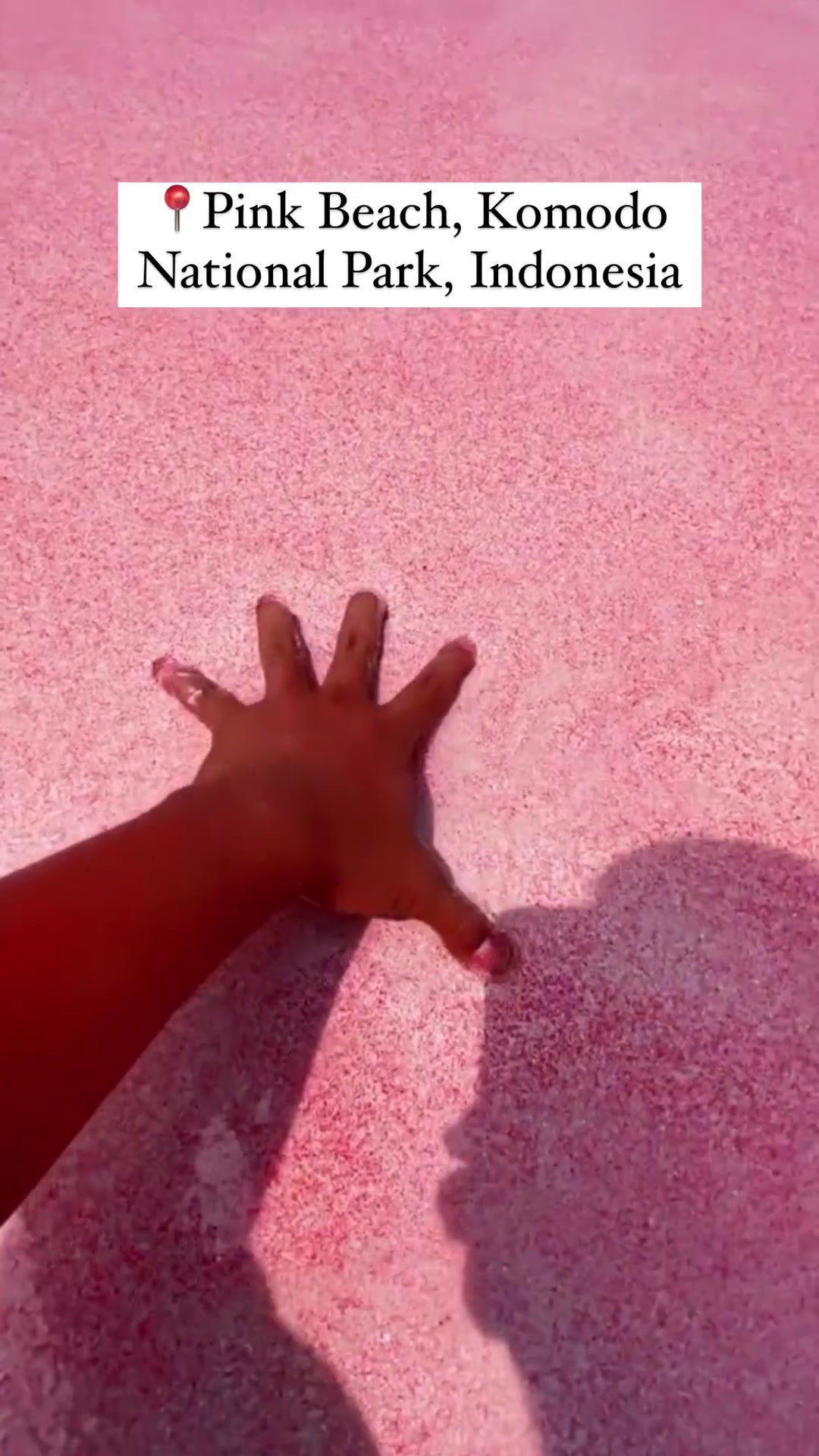
Pink Beach in Komodo
Nestled within Indonesia's Komodo National Park, Pink Beach is a sight to behold. The beach is renowned for its unique pink sand, which creates a stunning contrast against the turquoise waters and lush green hills that surround it. This natural wonder is one of only a few pink sand beaches in the world, making it a must-visit destination for travelers seeking something extraordinary.
Context / Why this matters
Pink Beach stands out due to its distinctive color, which comes from microscopic organisms that thrive in the coral reefs off the shore. As the microscopic organisms mix with the white sand, the result is a soft blush that gives the beach its unique appearance. This natural phenomenon not only makes Pink Beach aesthetically striking but also highlights the delicate balance of marine ecosystems.
Main discussion
The science behind the color
The pink hue of the sand is a result of a fascinating geological process. The microscopic organisms, known as foraminifera, thrive in the coral reefs surrounding the beach. These tiny creatures have shells that contain a pigment called astaxanthin, which gives the sand its distinctive pink color. When the coral fragments and the shells decay, they mix with the white sand, resulting in a pinkish hue.
Unique ecosystem
Pink Beach is part of Komodo National Park, a UNESCO World Heritage site that is home to a diverse range of marine and terrestrial life. The park's unique ecosystem includes over 1,200 plant species, 140 bird species, and 260 types of coral. Komodo dragons, the world's largest lizards, are also residents of the park. The pink sand beach provides a stunning backdrop to the area’s rich biodiversity.
The topographical beauty
The beach itself is a visual feast. The pink sand is beautifully framed by turquoise waters and lush green hills, creating a picturesque setting. The combination of colors is truly breathtaking, making it a popular spot for photographers and nature enthusiasts. The beach offers stunning views and a serene atmosphere, perfect for those looking to escape the hustle and bustle of everyday life.
Activities for visitors
Visitors to Pink Beach can enjoy a variety of activities. Swimming and snorkeling are popular choices, as the clear waters provide an excellent opportunity to explore the vibrant marine life. The coral reefs are home to a diverse array of fish and other marine creatures, making it a paradise for underwater exploration. For those who prefer to stay on land, the beach is an ideal spot for picnics, sunbathing, and leisurely walks.
Practical tips
Best time to visit
The best time to visit Pink Beach is during the dry season, which runs from April to October. During these months, the weather is generally sunny and dry, making it perfect for outdoor activities. The waters are also calmer during this period, ideal for swimming and snorkeling. However, it's important to note that the beach can get crowded, especially during peak tourist seasons.
Getting there
Pink Beach is accessible by boat from the nearby towns of Labuan Bajo or Komodo National Park. Most visitors take a day trip from these locations, as the beach is part of the park's main attractions. It's recommended to book a guided tour for a hassle-free experience, as local guides can provide valuable insights and ensure safety.
What to bring
When planning a visit to Pink Beach, it's essential to come prepared. Bring sunscreen, a hat, and sunglasses to protect yourself from the sun. Also, pack a reusable water bottle to stay hydrated. Snorkeling gear, if you plan to explore the underwater world, will make your experience more enjoyable. Lastly, don’t forget to bring a camera to capture the stunning views.
Important takeaways
Pink Beach in Komodo National Park is a natural wonder that offers a unique and breathtaking experience. Its soft pink sand, clear turquoise waters, and lush green hills create a mesmerizing landscape that is truly one of a kind. The beach is not only a visual treat but also a testament to the intricate balance of marine ecosystems. For those seeking an unforgettable adventure, Pink Beach is a must-visit destination.
Conclusion
Pink Beach in Komodo National Park is a testament to the beauty and diversity of our natural world. Its distinctive pink sand, created by the unique interplay of microscopic organisms and white sand, makes it a standout destination. Whether you're a nature enthusiast, a photographer, or simply someone looking to escape to a serene and beautiful location, Pink Beach offers an experience that will leave you in awe.
Watch the Reel
Questions readers ask
What causes the pink color of the sand at Pink Beach in Komodo National Park?
The pink sand at Pink Beach is due to microscopic organisms, specifically a type of foraminifera called Homotrema rubrum that have a reddish-pink shell. These tiny creatures mix with the white sand, creating the distinctive pink hue that makes the beach so unique.
How can I get to Pink Beach in Komodo National Park?
To reach Pink Beach, you'll need to travel to Komodo National Park in Indonesia. The most common way to access the beach is by booking a tour or chartering a boat from Labuan Bajo, the gateway to the park. The journey typically involves a boat ride followed by a short hike or a swim, depending on the tide.
What is the best time to visit Pink Beach Komodo?
The best time to visit Pink Beach is during the dry season, which runs from April to November. During this period, you can expect calmer seas and better weather for exploring the area. However, be aware that this is also the peak tourist season, so expect more crowds. Also, the pink color of the sand is most visible at low tide.
Is it possible to swim and snorkel at Pink Beach?
Yes, swimming and snorkeling are popular activities at Pink Beach. The turquoise waters surrounding the beach are home to a diverse range of marine life, including colorful fish and various species of coral. However, always check the tide and sea conditions before entering the water, and be cautious of strong currents.
What other attractions are near Pink Beach in Komodo National Park?
Pink Beach is located within the vast Komodo National Park, which offers numerous other attractions. Nearby, you can explore the Komodo dragons in their natural habitat, visit other stunning beaches like Padar and Rinca, or go island-hopping to discover more of the park's natural beauty. Diving and snorkeling in the crystal-clear waters is highly recommended.
What makes Pink Beach in Komodo National Park unique?
Pink Beach is unique for its distinctive pink sand, which is caused by the presence of microscopic organisms in the coral reefs. This phenomenon is rare, with only a few such beaches existing worldwide. The combination of the pink sand, turquoise waters, and lush greenery creates a breathtaking landscape that sets it apart from other beaches in Indonesia.
Is Pink Beach suitable for families with children?
Pink Beach can be suitable for families with children, but there are a few considerations. The beach is accessible via a hike or a swim, so younger children may need assistance. Additionally, the sea can have strong currents, so always supervise children closely when near the water. The unique experience and beautiful scenery make it a memorable family outing.
Related deep dives
Similar reads based on topic and creator.




Recent articles
Fresh deep dives from the latest Reels we unpacked.




Comments
Be the first to comment.