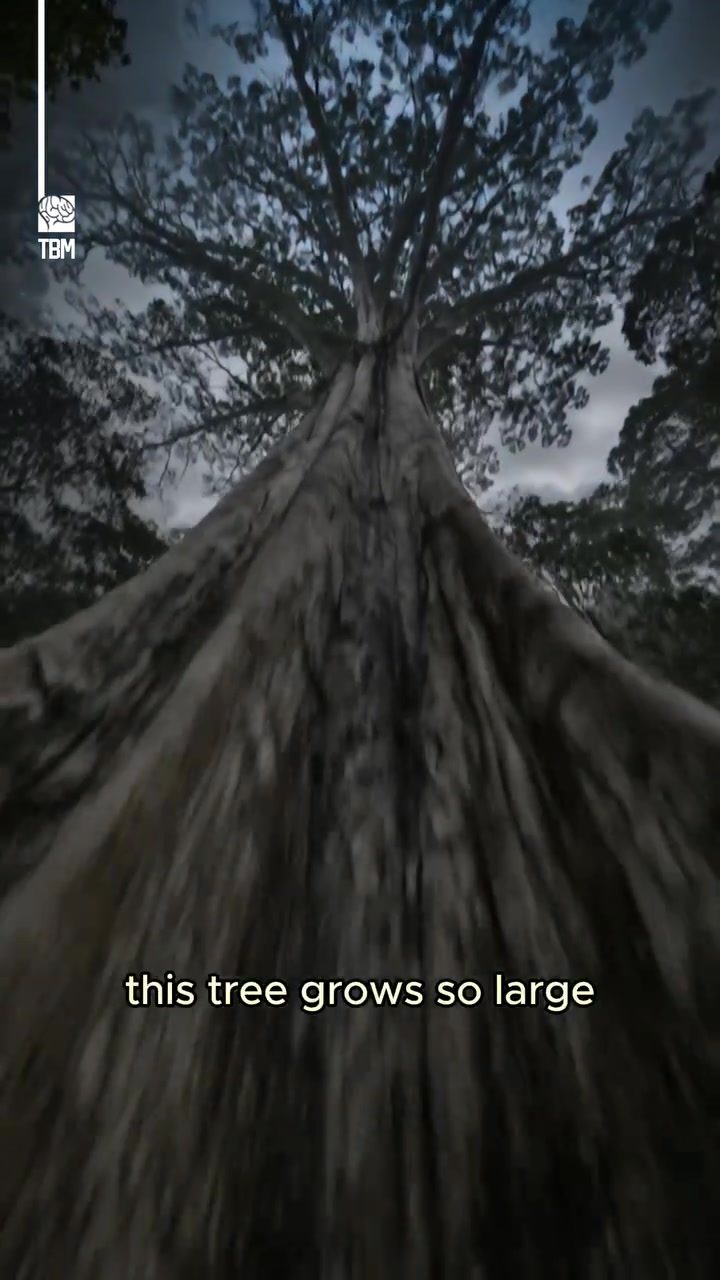
The Giant Kapok Tree: A Natural Marvel of the Amazon
The Kapok tree, native to the Amazon rainforest, is a towering giant that can reach heights of up to 70 meters. Known for its exceptional height, this tree has a unique adaptation that allows it to thrive in the challenging environment of the rainforest: massive buttress roots. These roots spread outward like natural walls, providing the tree with the stability it needs to withstand floods and strong winds.
Why This Matters
The Kapok tree, also known as the Summauma, plays a crucial role in the Amazon ecosystem. Its ability to survive in the nutrient-poor, shallow soil of the rainforest makes it a vital part of the environment. The tree's massive buttress roots not only stabilize it but also create a living habitat for countless plants and animals. Understanding the unique adaptations of the Kapok tree can provide insights into the broader ecosystem of the Amazon rainforest and the importance of preserving such natural marvels.
The Unique Adaptations of the Kapok Tree
The Massive Buttress Roots
One of the most striking features of the Kapok tree is its extensive root system. Instead of growing a single deep root, the tree develops massive buttress roots that spread outward like towering fins. These roots serve multiple purposes:
- Stabilization: The primary function of the buttress roots is to distribute the tree's enormous weight, providing stability in the shallow and nutrient-poor soil of the Amazon.
- Protection: These roots act as natural walls, protecting the tree from powerful winds and floods that are common in the rainforest.
- Habitat Creation: The extensive root system creates a habitat for numerous plants and animals, contributing to the biodiversity of the Amazon.
The Soil of the Amazon Rainforest
The soil in the Amazon rainforest is often shallow and nutrient-poor, making it challenging for many plants to thrive. Deep roots would be ineffective in such conditions, which is why the Kapok tree has evolved its unique buttress root system. This adaptation allows the tree to access a wider area of soil, ensuring it gets the nutrients it needs to survive and grow to its impressive height.
The Role of Buttress Roots in the Ecosystem
The buttress roots of the Kapok tree are not just functional for the tree itself; they also play a crucial role in the broader ecosystem. The roots provide shelter and habitat for a variety of animals and plants, creating a micro-ecosystem within the larger rainforest. This interdependence highlights the importance of preserving such natural marvels, as they contribute to the overall health and biodiversity of the Amazon rainforest.
Practical Tips for Observing and Appreciating Giant Trees
While the Kapok tree is a unique and impressive species, there are many other giant trees around the world that offer similar opportunities for observation and appreciation. Here are some tips for experiencing these natural wonders:
- Research: Before visiting, learn about the specific trees and their unique features. This will enhance your appreciation and understanding of what you are seeing.
- Guide: Consider hiring a local guide or joining a guided tour. A knowledgeable guide can provide insights and information that you might otherwise miss.
- Safety: Always prioritize safety, especially when observing tall trees in natural environments. Stay on designated paths and follow any safety guidelines provided by local authorities.
- Respect: Be mindful of the environment and the wildlife that call it home. Avoid disturbing the natural habitat and adhere to principles of eco-friendly tourism.
Important Takeaways
The Kapok tree is a remarkable example of how plants adapt to their environments. Its massive buttress roots are a testament to the ingenuity of nature, providing both stability and habitat in a challenging ecosystem. Understanding the Kapok tree and its adaptations can offer valuable insights into the broader Amazon rainforest and the importance of preserving natural wonders.
Conclusion
The Kapok tree stands as a symbol of resilience and adaptation in the Amazon rainforest. Its unique buttress root system allows it to thrive in the challenging conditions of the rainforest, while also contributing to the ecosystem by providing habitat and shelter for various species. By understanding and appreciating the Kapok tree, we can gain a deeper appreciation for the natural world and the importance of preserving its wonders.
Watch the Reel
Questions readers ask
What is the primary function of the Kapok Tree's buttress roots?
The primary function of the Kapok Tree's buttress roots is to provide stability. These roots spread outward and help the tree withstand strong winds and floods by anchoring it firmly in the shallow, nutrient-poor soil of the Amazon rainforest.
How tall can a Kapok Tree grow?
A Kapok Tree can grow to an impressive height of up to 70 meters, making it one of the tallest trees in the Amazon rainforest. This height allows it to tower above other trees and access more sunlight.
What role do Kapok Trees play in the Amazon ecosystem?
Kapok Trees serve as vital habitats for numerous plants and animals. Their massive buttress roots create living spaces for various species, contributing significantly to the biodiversity of the Amazon rainforest.
How do Kapok Trees adapt to the challenging conditions of the Amazon rainforest?
Kapok Trees adapt through their unique buttress root system. These roots provide stability in shallow soil and help the tree survive in an environment with limited nutrients, strong winds, and periodic flooding.
What other names is the Kapok Tree known by?
The Kapok Tree is also known by its local name, the Summauma. This name is used by indigenous communities in the Amazon rainforest.
Can other trees in the Amazon rainforest have buttress roots like the Kapok Tree?
Yes, many trees in the Amazon rainforest develop buttress roots, especially those that grow in shallow, nutrient-poor soil. These roots help stabilize the trees in their environment, similar to the Kapok Tree.
How do buttress roots compare to deep root systems?
Buttress roots and deep root systems serve different purposes. Buttress roots provide lateral stability, helping trees stand firm in shallow soil. In contrast, deep root systems seek out water and nutrients in deeper soil layers, often found in drier environments.
Related deep dives
Similar reads based on topic and creator.



Recent articles
Fresh deep dives from the latest Reels we unpacked.




Comments
Be the first to comment.