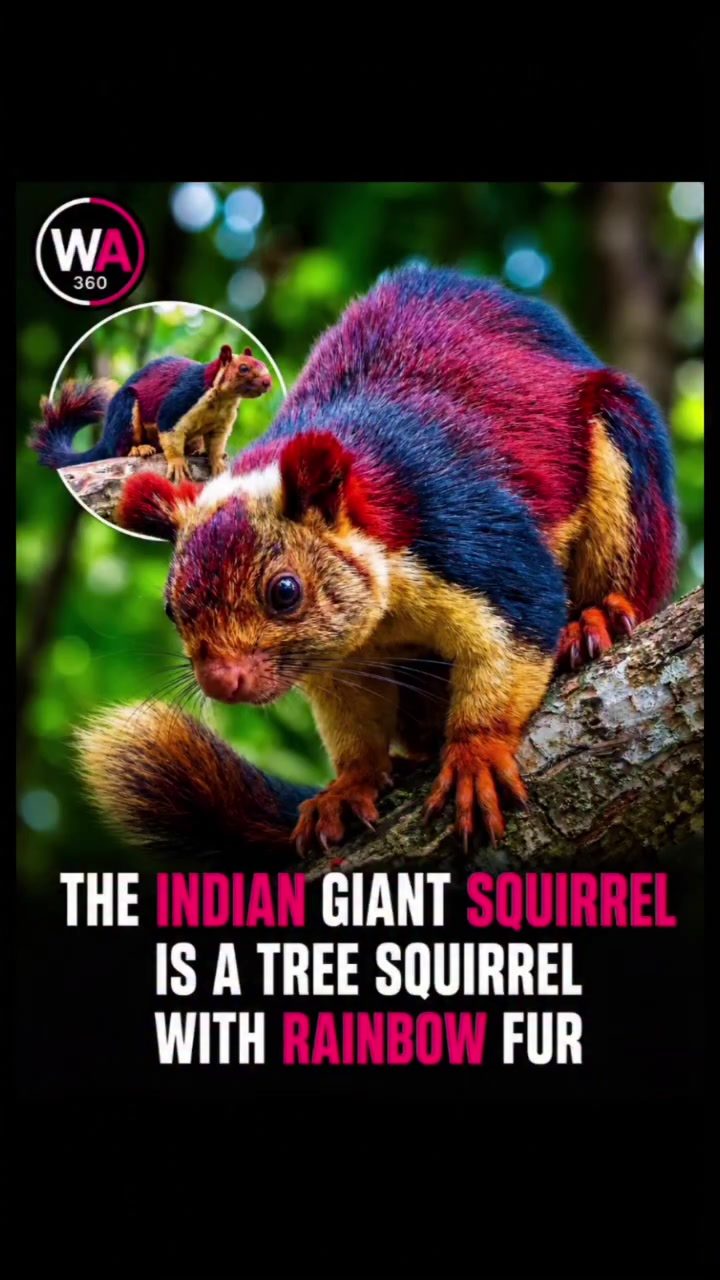
Indian Giant Squirrel
The Indian Giant Squirrel, a vibrant and captivating creature, is renowned for its stunning coat that blends a myriad of colors, including maroon, purple, orange, cream, and black. Native to the dense forests of India, this tree-dwelling mammal is a marvel of nature, spending most of its life high in the canopy. Its agile movements and vibrant fur make it a true spectacle to behold.
Why This Matters
The Indian Giant Squirrel is more than just a beautiful creature; it serves as a powerful symbol of the rich biodiversity found in India’s forests. Its unique characteristics and elusive nature make every sighting a special moment for wildlife enthusiasts and photographers alike. Understanding and appreciating this species highlights the importance of preserving natural habitats and safeguarding the incredible wildlife they support.
Main Discussion
Unique Characteristics
The Indian Giant Squirrel stands out due to its distinctive appearance. Its vibrant fur, which includes a spectrum of colors, helps it blend seamlessly into the forest’s changing light and shadows. This adaptive camouflage not only makes it visually striking but also aids in its survival. The squirrel's agility is another remarkable feature. It can leap effortlessly between branches, showcasing its skill and grace in the treetops.
Habitat and Behavior
These squirrels are primarily found in the dense forests of India, particularly in the Western Ghats and the northeastern regions. They are arboreal creatures, meaning they spend most of their time in trees. Their diet consists of a variety of foods, including fruits, nuts, and insects, which they forage from the canopy. This tree-dwelling lifestyle makes them skilled climbers and jumpers, capable of navigating the complex environment of the forest canopy with ease.
Conservation Status
Despite its striking appearance, the Indian Giant Squirrel is a shy and elusive creature. This elusiveness, combined with habitat destruction and hunting, has made sightings of these squirrels rare and special. Conservation efforts are crucial to protect this species and ensure that future generations can continue to marvel at its beauty. Protecting their natural habitats and promoting sustainable forestry practices are essential steps in safeguarding the Indian Giant Squirrel and the biodiversity of India’s forests.
Practical Tips
Spotting the Indian Giant Squirrel
For wildlife enthusiasts and photographers looking to spot the Indian Giant Squirrel, patience and careful observation are key. These squirrels are most active during the early morning and late afternoon hours. Visiting dense forest areas, especially those with tall trees and a variety of foliage, increases the chances of spotting one. Binoculars or a telephoto lens can be helpful for observing these elusive creatures from a distance without disturbing them.
Supporting Conservation Efforts
Supporting conservation efforts is another practical way to contribute to the preservation of the Indian Giant Squirrel. This can be done by donating to wildlife conservation organizations, participating in reforestation projects, and promoting sustainable forestry practices. Reducing the use of single-use plastics and supporting eco-friendly products also helps in protecting the natural habitats of these squirrels and other wildlife.
Important Takeaways
The Indian Giant Squirrel is a remarkable example of nature’s beauty and adaptability. Its vibrant fur and agile movements make it a fascinating subject for wildlife lovers. Understanding the importance of preserving its natural habitat and supporting conservation efforts is crucial for ensuring that this species continues to thrive. Encounters with the Indian Giant Squirrel remind us of the incredible biodiversity found in India’s forests and the need to protect it for future generations.
Conclusion
The Indian Giant Squirrel is a living rainbow, a testament to the wonders of nature. Its vibrant appearance, agile movements, and elusive nature make it a special creature to behold. By appreciating and understanding this species, we can better protect the natural habitats that support such incredible wildlife. Every sighting of the Indian Giant Squirrel is a reminder of the beauty and diversity of our natural world and the importance of preserving it for generations to come.
Watch the Reel
Questions readers ask
What makes the Indian Giant Squirrel visually distinctive?
The Indian Giant Squirrel is known for its striking coat, which features a unique blend of colors including maroon, purple, orange, cream, and black. This vibrant fur pattern sets it apart from other squirrel species and makes it a captivating subject for wildlife observers.
Where can the Indian Giant Squirrel be found?
The Indian Giant Squirrel is native to the dense forests of India. It is predominantly found in the Western Ghats, a mountain range along the western coast of India, and other forested regions across the country. These habitats provide the ideal environment for their arboreal lifestyle.
What kind of habitat does the Indian Giant Squirrel prefer?
The Indian Giant Squirrel is a tree-dwelling species, spending most of its time high up in the canopy. It prefers dense, undisturbed forests with tall trees that provide ample space for movement, nesting, and access to food sources such as fruits and seeds.
How does the Indian Giant Squirrel contribute to its ecosystem?
As a key species in its ecosystem, the Indian Giant Squirrel plays a crucial role in seed dispersal. It feeds on a variety of fruits and seeds, which it often carries to different parts of the forest, aiding in the regeneration of plant life. This behavior supports the overall health and diversity of the forest environment.
What are the main threats to the Indian Giant Squirrel's population?
The primary threats to the Indian Giant Squirrel include habitat loss due to deforestation, human encroachment, and climate change. These factors can disrupt their living conditions and food sources, making conservation efforts essential for their survival.
What behaviors are commonly observed in the Indian Giant Squirrel?
The Indian Giant Squirrel is known for its agile movements as it leaps effortlessly between trees. It is often seen foraging for food, building nests, and communicating with other squirrels through vocalizations and body language. These behaviors are fascinating to observe and provide insights into their social structure and survival strategies.
Related deep dives
Similar reads based on topic and creator.




Recent articles
Fresh deep dives from the latest Reels we unpacked.




Comments
Be the first to comment.