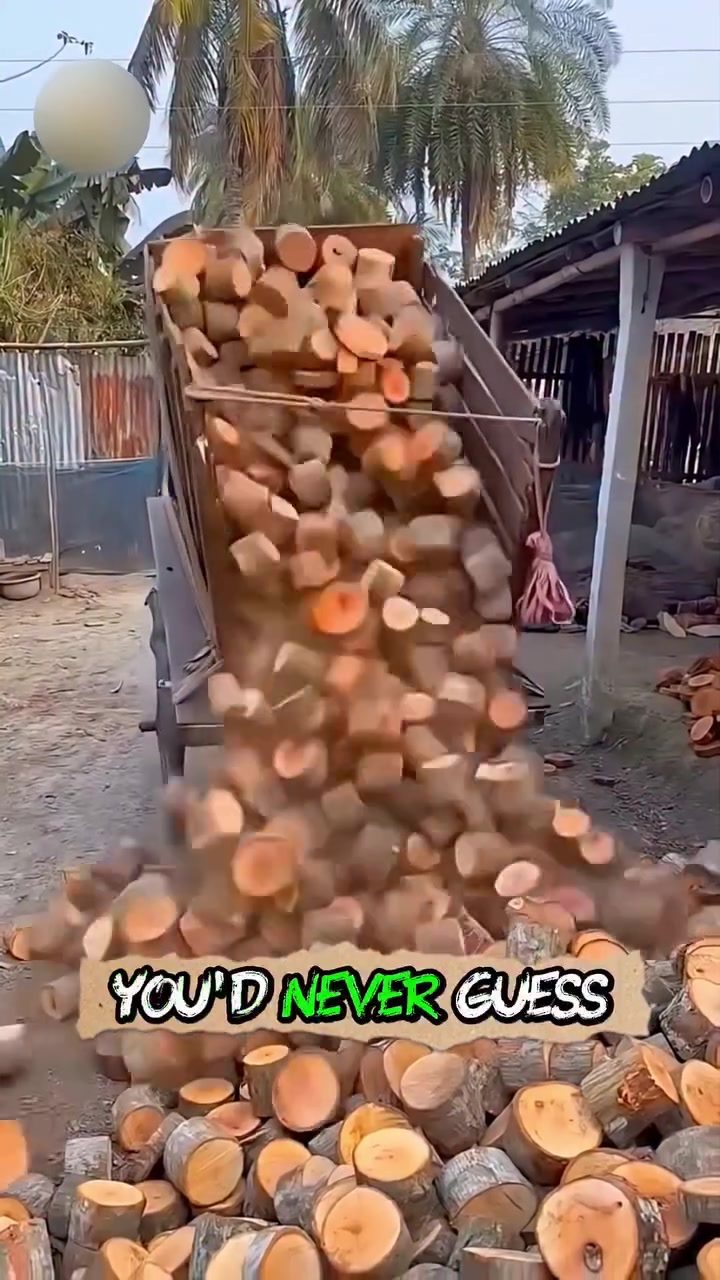
Coconut Carving: An Art of Transformation
Coconut carving is a craft that transforms humble coconuts into intricate and valuable objects, often showcased in bowls and decorative items. This practice, particularly in Bangladesh, exemplifies the country’s resourcefulness and artistic flair. The journey from a simple coconut to a finely crafted bowl involves several meticulous steps, each requiring skill and precision.
Why This Matters
In Bangladesh, coconut carving is more than just a craft; it's a tradition that transforms waste into treasure. Woodworking, especially with coconuts, is celebrated for its ability to turn ordinary materials into valuable items. The process highlights the resourcefulness of the people, who find beauty and utility in what others might discard.
The Art of Coconut Carving
The Initial Steps
The process begins with the selection and preparation of the coconut. The outer husk, or bark, is carefully removed, revealing the solid inner wood. This step is crucial as it sets the foundation for the intricate carving that follows. The inner wood is then inspected for any imperfections, ensuring that only the best materials are used.
The Dangerous Part
The most critical and dangerous step in coconut carving is when the wood is placed onto a fast-spinning machine. Here, a worker carefully carves the coconut by hand, using sharp tools. The risk of injury is high, as one wrong move could lead to serious harm or ruin the entire piece. Despite the danger, the craftsman's skill and patience are evident as the rough block slowly transforms into a smooth oval shape. This phase is crucial as it determines the final form and symmetry of the carved item.
Decorative Grooves and Finishing Touches
Once the basic shape is achieved, decorative grooves are carved into the surface. These grooves add a layer of complexity and beauty to the final product. The inside of the coconut is then hollowed out, creating the space needed for its intended use, whether as a bowl, vase, or other decorative item. After the carving is complete, the surface is sanded perfectly smooth to ensure a polished finish. Finally, the craftsman applies a coat of beeswax, which not only enhances the natural beauty of the wood but also protects it from wear and tear.
The Final Transformation
The final product is a stunning display of craftsmanship. What was once a simple coconut has been transformed into a beautiful, functional object. In Bangladesh, this process underscores the value of resourcefulness and creativity, turning waste into something precious.
Practical Tips for Coconut Carving
Skills and Tools
Coconut carving requires a combination of skill and the right tools. A stable and sharp carving knife is essential, as is a steady hand and a keen eye for detail. The ability to visualize the final product and work towards it patiently is crucial.
Safety Precautions
Given the dangerous nature of the carving process, safety is paramount. Always wear protective gear, including gloves and safety glasses. Work in a well-ventilated area to avoid inhaling wood dust. Keep your workspace clean and free of clutter to minimize the risk of accidents.
Practice and Patience
Coconut carving is an art that improves with practice. Don't be discouraged by initial mistakes; instead, use them as learning opportunities. Start with simpler designs and gradually move to more complex patterns as your skills develop.
Finishing Touches
The finishing touches, such as sanding and applying beeswax, can make a significant difference in the final product. Take your time to ensure the surface is smooth and the finish is even. This step adds a layer of professionalism and longevity to your carved item.
Important Takeaways
Coconut carving is a testament to human creativity and resourcefulness. It transforms ordinary materials into valuable and beautiful objects. This craft not only showcases the skill of the craftsman but also highlights the ability to turn waste into something valuable. The process, while dangerous, is rewarding, producing items that are both functional and aesthetically pleasing.
Conclusion
Coconut carving is more than just a craft; it's a celebration of creativity and resourcefulness. From the initial preparation to the final finishing touches, each step requires skill, patience, and a deep understanding of the material. The result is a stunning display of artistry, transforming humble coconuts into valuable and beautiful objects, such as bowls and decorative items. This practice, particularly in Bangladesh, exemplifies the country’s rich tradition of turning waste into treasure, making it a valuable and intriguing craft to explore.
Watch the Reel
Questions readers ask
What tools are typically used by artisans for coconut carving in Bangladesh?
Artisans in Bangladesh use a variety of tools for coconut carving, including knives, chisels, and gouges. These tools help them create intricate designs and smooth surfaces. Additionally, they may use sandpaper and polishing tools to achieve the final finish on the coconut carving.
How long does it take to create a carved coconut bowl in Bangladesh?
The time required to carve a coconut bowl can vary greatly depending on the complexity of the design. Simple bowls might take a few hours, while highly intricate designs can take several days. The process involves careful planning, precise carving, and meticulous polishing.
What types of designs are commonly carved into coconuts in Bangladesh?
Common designs in Bangladeshian coconut carving include floral and geometric patterns, as well as intricate scenes from daily life and nature. Artisans often draw inspiration from the natural beauty around them, incorporating elements like leaves, flowers, and animals into their work. Some artists also carve traditional motifs and cultural symbols.
Are the tools used in coconut carving in Bangladesh unique, or are they similar to other wood carving tools?
The tools used in coconut carving in Bangladesh are similar to those used in other forms of wood carving. However, the artisans may adapt their techniques to work with the unique properties of coconut shells, which are harder and more brittle than wood. This requires a delicate touch and precise control.
How do artisans in Bangladesh ensure the sustainability of coconut carving?
Artisans in Bangladesh promote sustainable coconut carving by using locally sourced, renewable materials. They often repurpose discarded or waste coconut shells, giving them new life as functional or decorative pieces. Additionally, the artisans practice eco-friendly techniques, minimizing waste and preserving the natural beauty of the coconut shells.
What is the cultural significance of coconut carving in Bangladesh?
Coconut carving in Bangladesh is deeply rooted in the country's cultural heritage. It reflects the resourcefulness and creativity of the people, who have turned a common resource into a valuable art form. The craft is often passed down through generations, keeping the tradition alive and showcasing the unique skills of local artisans.
Can coconut carving in Bangladesh be a viable source of income for artisans?
Yes, coconut carving can be a viable source of income for artisans in Bangladesh. The intricate and valuable creations are often sold to local markets, tourists, and art enthusiasts. Additionally, some artisans participate in exhibitions and fairs, both locally and internationally, to showcase their work and generate sales, allowing them to support their livelihoods and preserve their craft.
Recent articles
Fresh deep dives from the latest Reels we unpacked.




Comments
Be the first to comment.