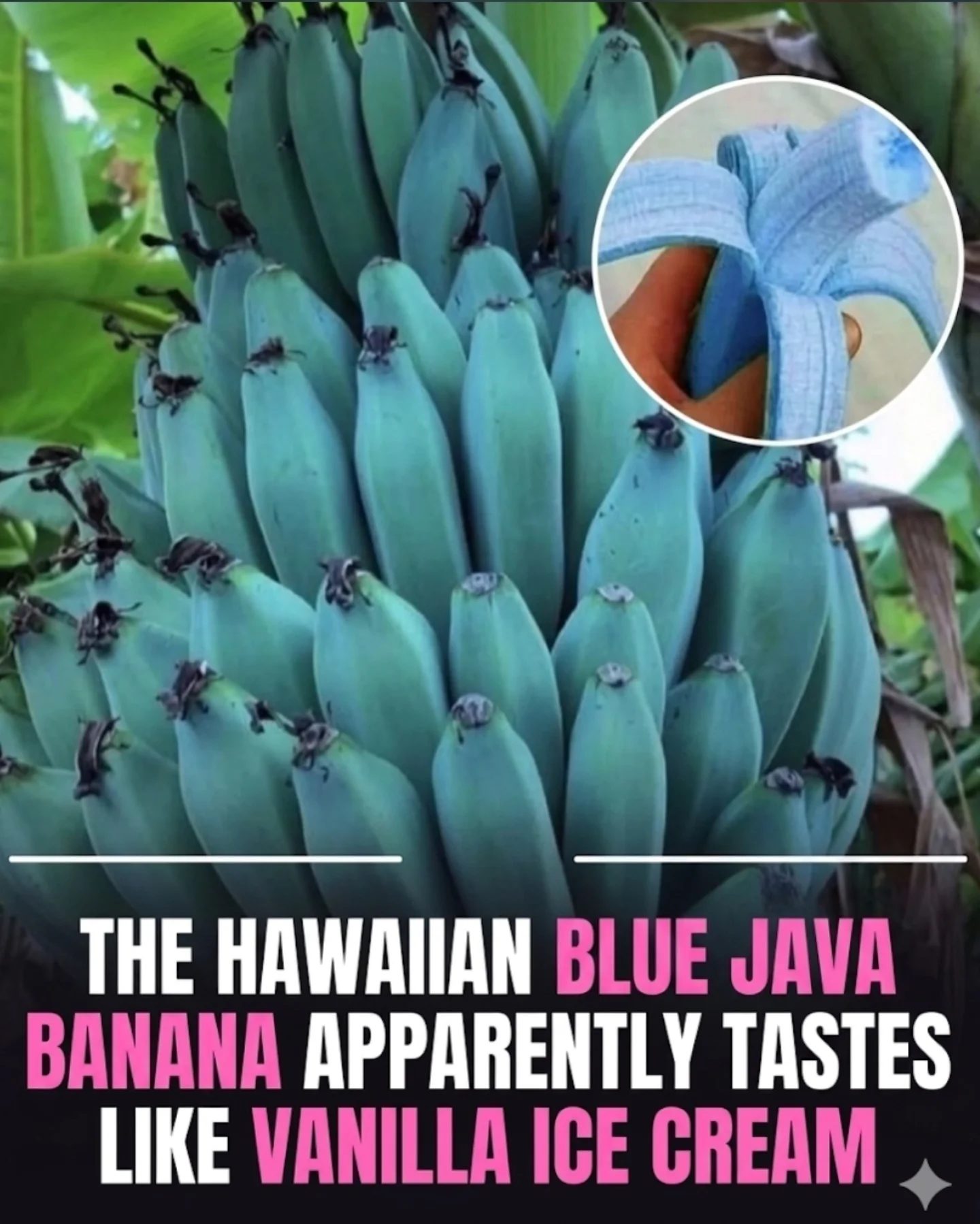
Blue Java Banana
The Blue Java banana, also known as the "Ice Cream banana," is a unique cultivar celebrated for its striking appearance and distinctive flavor. This banana variety is not only visually appealing but also offers a delightful taste experience that sets it apart from other bananas.
Context / Why this matters
Blue Java bananas stand out due to their unique color and flavor. Their silvery-blue skin when unripe and creamy, white flesh make them visually distinct. The flavor, often compared to vanilla ice cream, adds to their allure. This makes them a fascinating subject for both fruit enthusiasts and culinary explorers.
Main discussion
Appearance and Color
The Blue Java banana's most noticeable feature is its unusual color. When unripe, these bananas have a silvery-blue skin that transitions to a pale yellow as they ripen. This coloration is due to a natural wax coating that gives the banana its distinctive blue-green hue. The inner flesh remains white and creamy, adding to its unique appearance. This visual appeal makes Blue Java bananas a popular choice for decorative purposes as well as culinary uses.
Flavor and Texture
The Blue Java banana is famous for its custard-like texture and flavor that many compare to vanilla ice cream. This unique taste profile is what earns it the nickname "Ice Cream banana." The combination of creamy texture and sweet, vanilla-like flavor makes it a standout in the world of bananas. This distinctive taste makes it a favorite for eating raw or using in desserts and smoothies.
Origin and Hardiness
Despite its strong association with Hawaii, the Blue Java banana is originally native to Southeast Asia. This hardy cultivar is notably cold-tolerant, able to survive in temperatures slightly below freezing. This characteristic makes it popular among backyard growers in subtropical climates, as it can thrive in conditions where other tropical banana varieties might struggle.
Blue Java bananas are scientifically classified as Musa acuminata × balbisiana (ABB Group). This classification helps in understanding its genetic makeup and hardiness. The banana's ability to withstand colder temperatures sets it apart from many other banana varieties, making it a popular choice for growers in regions with cooler climates.
Growing Blue Java Bananas
Growing Blue Java bananas can be a rewarding experience for backyard gardeners. Their cold tolerance makes them suitable for a wider range of climates compared to other banana varieties. When planting, ensure the soil is well-draining and rich in organic matter. Blue Java bananas prefer partial shade but can tolerate full sun if the soil is kept moist.
Regular watering is essential, especially during dry periods. Fertilizing with a balanced fertilizer will promote healthy growth and fruit production. Pruning dead leaves and removing suckers will also help maintain the plant's health and productivity.
Practical tips
Selecting Blue Java Bananas
When selecting Blue Java bananas, look for those with a vibrant silvery-blue skin if you prefer them unripe. For a ripe banana, choose ones with a pale yellow skin. The banana should be firm to the touch but not overly hard. Avoid bananas with bruises or soft spots, as these indicate ripeness or damage.
Storing Blue Java Bananas
Storing Blue Java bananas properly will extend their shelf life. Unripe bananas can be stored at room temperature until they reach the desired ripeness. Once ripe, they can be stored in the refrigerator to slow down further ripening. Keep in mind that refrigerating unripe bananas can cause the skin to turn black, but the flesh will remain good.
Creative Uses
Blue Java bananas are versatile and can be used in various culinary applications beyond being eaten raw. Their creamy texture and vanilla-like flavor make them an excellent addition to smoothies, desserts, and baked goods. Try using them in banana bread, pancakes, or even ice cream for a unique twist.
Important takeaways
The Blue Java banana is more than just a visually striking fruit. Its unique flavor, cold tolerance, and versatility in the kitchen make it a standout variety. Whether you're a fruit enthusiast, a home gardener, or a culinary explorer, the Blue Java banana offers a delightful experience that is hard to forget. This cultivar's ability to thrive in colder climates and its distinctive taste and appearance make it a valuable addition to any garden or kitchen.
Conclusion
In summary, the Blue Java banana is a remarkable cultivar that offers a unique combination of visual appeal and flavor. Its cold tolerance and hardiness make it a great choice for growers in various climates. Whether you're enjoying it raw, using it in desserts, or admiring its striking appearance, the Blue Java banana is sure to impress. Embrace the opportunity to explore this unique fruit and elevate your culinary and gardening experiences.
Watch the Reel
Questions readers ask
What is a Blue Java banana and why is it unique?
The Blue Java banana is a distinct cultivar also known as the 'Ice Cream banana.' It is unique due to its striking appearance—the silvery-blue skin when unripe and white, custardy flesh—and its creamy, vanilla-like flavor. These characteristics make it stand out from other banana varieties.
Why does the Blue Java banana have a blue skin?
The Blue Java banana's blue skin is due to its specific cultivar characteristics. When unripe, the skin has a distinctive silvery-blue hue, which turns a yellowish hue when ripe. This unique color is one of the banana's most recognizable features that makes it an interesting variety for fruit enthusiasts.
What does a Blue Java banana taste like?
The Blue Java banana is renowned for its creamy texture and sweet, vanilla-like flavor. Many people compare the taste to vanilla ice cream or custard, which makes it a favorite for those looking for a unique and delicious banana experience.
Can Blue Java bananas be grown in colder climates?
Yes, Blue Java bananas are known for being one of the more cold-tolerant banana varieties. While they still require warm growing conditions, they can withstand slightly lower temperatures compared to other banana cultivars, making them a more versatile option for some regions.
How should I store Blue Java bananas at home?
To store Blue Java bananas, keep them at room temperature until they reach your desired level of ripeness. Once ripe, you can place them in the refrigerator to slow down further ripening. However, keep in mind that the peel may darken in the refrigerator, but the flesh inside will remain fresh.
What are some popular ways to use Blue Java bananas in cooking or baking?
Blue Java bananas are versatile in the kitchen. Their creamy texture and sweet flavor make them ideal for smoothies, banana bread, and other baked goods. They can also be enjoyed fresh as a unique and delicious snack. Some people even use them as a topping for yogurt or oatmeal.
Are Blue Java bananas available year-round?
The availability of Blue Java bananas can depend on your location and local markets. In some regions, they may only be found seasonally. However, they can often be sourced from specialty stores or online retailers, especially if you live in a temperate climate. It is a good idea to check with local growers or specialty food stores for availability.
Recent articles
Fresh deep dives from the latest Reels we unpacked.




Comments
Be the first to comment.