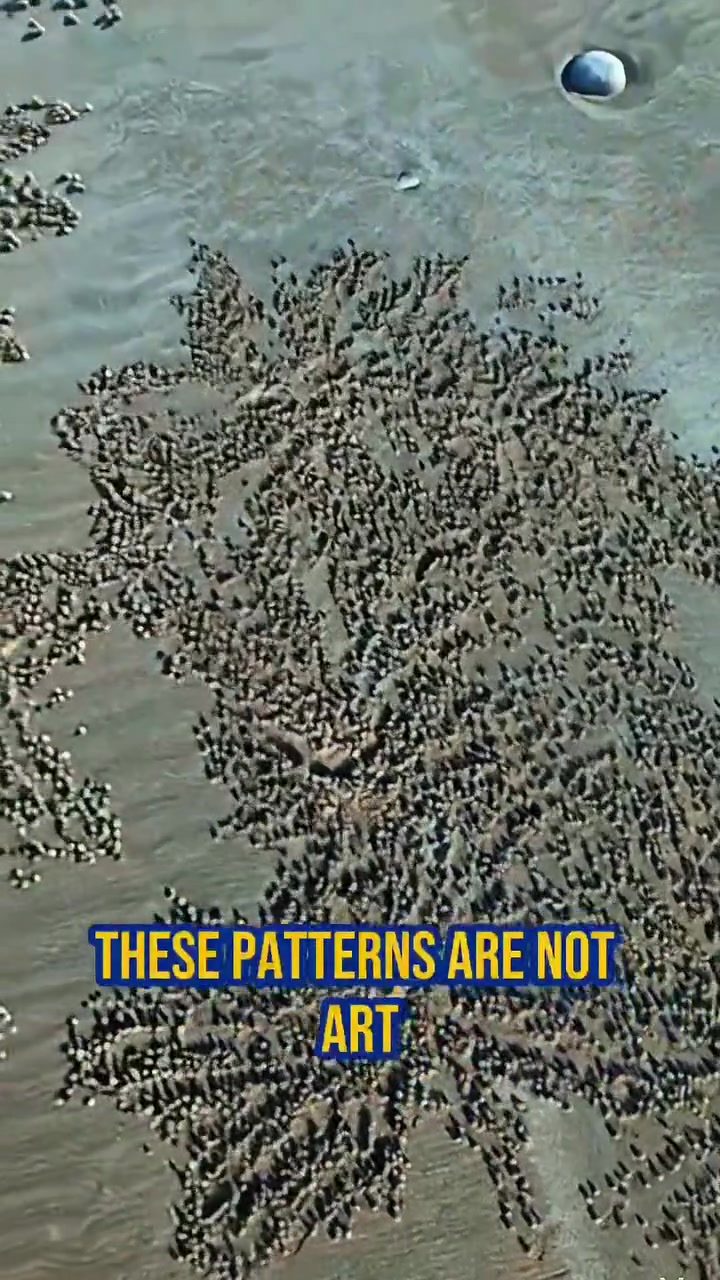
The Intricate Work of the Sand Bubbler Crab
Sand bubbler crabs, despite their small size, are incredible architects. They create intricate, geometric patterns in the sand along the beach. These patterns aren't created by humans but by a tiny crab the size of a thumbnail. These crabs are capable of producing these designs through an intricate process of filtering and rearrangement. This process involves picking up wet sand, filtering out food, and spitting out the remaining sand in the form of perfect little balls. These balls accumulate over time, creating vast and intricate designs that are often mistaken for art installations.
Why This Matters
The sand bubbler crab's sand-working habits are fascinating to marine biologists and beachgoers alike. Beyond the aesthetic appeal of the resulting patterns, the behaviors of these crabs offer insights into the roles of small organisms in shaping coastal environments. Understanding how these tiny creatures contribute to the ecosystem can help us appreciate the interconnectedness of marine life and the importance of preserving these habitats.
Understanding the Sand Bubbler Crab
The Process
The sand bubbler crab's work begins with picking up wet sand from the beach. Unlike other crabs, the sand bubbler crab doesn't burrow or dig. Instead, it collects wet sand and processes it to extract food particles. This process involves filtering the sand through its mouthparts, where it separates the organic matter from the inorganic sand. The remaining clean sand is then compacted and rolled into perfect little balls, which the crab spits out onto the surface.
The Patterns
Spending hours on this meticulous work, the sand bubbler crab creates thousands of these balls. Over time, the accumulation of these sand balls forms intricate geometric patterns that can stretch over large areas of the beach. These patterns are often described as looking alien, due to their precise and uniformly spaced design. The patterns vary from tight, circular designs to more complex, overlapping structures, each one unique to the crab's individual work.
The Cycle
The tide plays a significant role in the cycle of the sand bubbler crab's work. As the tide comes in, it erases the patterns created by the crabs and reduces the sand balls to a uniform layer. However, this doesn't deter the crabs. When the tide recedes, the crabs resume their work, starting the process anew. This continuous cycle ensures that the beaches are constantly being transformed by these tiny architects, even if no one is there to appreciate it.
Practical Tips for Observing Sand Bubbler Crabs
If you're fascinated by these tiny beach artists, here are some practical tips for observing and appreciating the work of sand bubbler crabs:
When and Where to Look
Sand bubbler crabs are most active during low tide, when the beach is exposed and the sand is wet. The best time to observe them is during daylight hours, particularly in the early morning or late afternoon when the sun is low and the light is soft. Look for their patterns in the wet sand, especially near the high tide line, where the sand is most likely to be moist and conducive to their work.
How to Observe
Approach quietly and carefully, as these crabs are sensitive to disturbance. Use binoculars or a magnifying glass to get a closer look at their activities without disrupting their work. Remember, these creatures are small and their patterns can be easy to miss, so take your time and be patient.
What to Look For
Keep an eye out for the sand balls, which are the primary evidence of the crabs' work. The patterns themselves can be subtle, so look for areas where the sand appears to have been moved or rearranged. Pay attention to the density and spacing of the sand balls, as this can give you an indication of how long the crabs have been working in a particular area.
Important Takeaways
The sand bubbler crab's intricate work is a testament to the capabilities of small creatures in shaping their environment. By understanding their patterns, crabs reveal the natural beauty of beach ecosystems and the importance of preserving these habitats. The continuous cycle of creation and destruction by the tide ensures that the beach is a dynamic and ever-changing landscape, with each tide bringing new patterns and new opportunities for the crabs to leave their mark.
Conclusion
The sand bubbler crab, tiny as it is, plays a significant role in the beach ecosystem. Its intricate patterns and persistent work are a reminder of the beauty and complexity found in even the smallest of creatures. By observing and appreciating their work, we gain a deeper understanding of the interconnectedness of marine life and the delicate balance of coastal environments.
Watch the Reel
Questions readers ask
What types of patterns do sand bubbler crabs create in the sand?
Sand bubbler crabs are known for their intricate, geometric patterns. These designs often consist of small, perfectly shaped sand balls that are arranged in complex, symmetrical formations. The patterns can stretch across large areas, creating an impressive display of tiny crab art.
How do sand bubbler crabs create these intricate sand designs?
Sand bubbler crabs create their designs through a meticulous process of filtering and rearrangement. They pick up wet sand, sift through it to extract food particles, and then expel the remaining sand in the form of small, uniform balls. Over time, these balls accumulate to form the elaborate geometric patterns observed on the beach.
Why are sand bubbler crab patterns often mistaken for human-made art installations?
The intricate and symmetrical nature of the sand bubbler crab's designs often leads people to believe they are human-made art installations. The patterns are so precise and aesthetically pleasing that it is easy to overlook the tiny crabs as the true artists behind these beach crab patterns.
How large can the sand patterns created by these tiny crabs become?
The sand patterns created by sand bubbler crabs can stretch across vast areas. These expansive designs are a testament to the collective effort of many crabs working together, often covering several square feet of beach sand with their intricate, crab-made sand art.
What is the purpose behind the sand patterns created by sand bubbler crabs?
The primary purpose of the sand patterns created by sand bubbler crabs is functional rather than aesthetic. These tiny crabs create the patterns as a byproduct of their feeding process. By filtering through the sand to find food, they expel the remaining sand in a specific manner, which results in the beautiful and intricate designs we see on the beach.
Can sand bubbler crabs be found in all types of beach environments?
Sand bubbler crabs typically inhabit sandy beaches in tropical and subtropical regions. They prefer areas with fine, wet sand where they can easily burrow and create their distinctive patterns. While they are not found in all types of beach environments, they are quite common in suitable habitats.
What happens to the sand patterns when the tide comes in?
When the tide comes in, the intricate sand patterns created by sand bubbler crabs can be disrupted or even destroyed. However, as the tide recedes, the crabs resume their work, often rebuilding and re-establishing their designs. This continuous process ensures that the beach is frequently adorned with these small crab art designs.
Related deep dives
Similar reads based on topic and creator.




Recent articles
Fresh deep dives from the latest Reels we unpacked.




Comments
Be the first to comment.