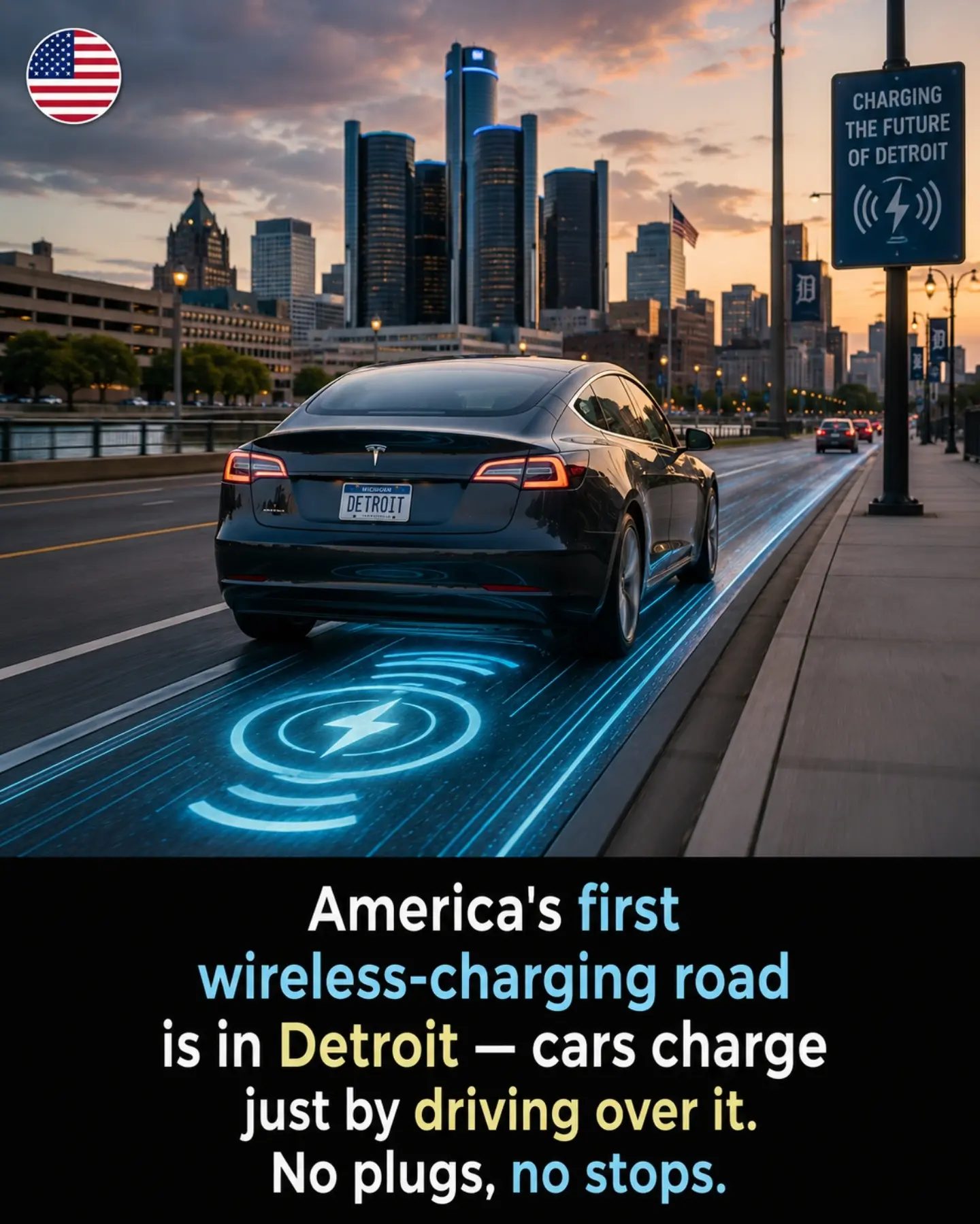
Wireless Charging Roads: The Future of Electric Vehicle Infrastructure
Detroit, the heart of America's automotive industry, is pioneering a revolutionary technology in electric vehicle (EV) infrastructure: wireless charging roads. This innovation allows electric cars, such as those made by Tesla, to charge wirelessly while driving over specially designed roads. This groundbreaking feature eliminates the need for traditional plug-in charging stations and stops, offering a more seamless and efficient charging solution.
Context / Why this Matters
The shift towards electric vehicles is accelerating globally, driven by environmental concerns and advancements in battery technology. However, one of the biggest challenges facing EV adoption is range anxiety—the fear of running out of power before reaching a charging station. Wireless charging roads address this issue by providing a continuous power supply, making long-distance travel more feasible and convenient for EV owners.
This technology could be a game-changer, not only for individual drivers but for public transportation systems as well. Imagine buses and trucks that never need to stop to refuel, significantly reducing downtime and improving operational efficiency. This shift towards wireless charging could also lead to a more integrated and sustainable urban infrastructure, reducing the reliance on fossil fuels and promoting cleaner air.
Main Discussion
The principle behind wireless charging roads is relatively simple, but the engineering is complex. These roads use inductive charging, which involves transmitting electrical energy through an electromagnetic field. A coil in the road generates an alternating electromagnetic field, which induces an electric current in a receiver coil installed in the EV.
How Wireless Charging Roads Work
- Power Transfer: The road infrastructure integrates coils that generate an electromagnetic field. When an EV equipped with a compatible receiver drives over these coils, it induces a current that charges the vehicle's battery.
- Efficient Power Management: The technology is designed to be efficient, minimizing power loss during transmission. This ensures that a significant portion of the energy generated is used to charge the vehicle.
- Dynamic Alignment: The system must account for the dynamic nature of driving, ensuring that the alignment between the road coils and the vehicle's receiver is maintained. This requires precise engineering and real-time adjustments.
Benefits of Wireless Charging Roads
One of the most significant advantages is convenience. Drivers no longer need to plan their routes around charging stations or waste time waiting for their vehicles to charge. This continuous charging capability makes electric vehicles more practical for long-distance travel and everyday use.
Additionally, wireless charging roads can reduce the strain on local power grids. Traditional charging stations often require high-power inputs, which can overload local infrastructure. Wireless charging, on the other hand, distributes the load more evenly, reducing the risk of grid instability.
Challenges and Considerations
While the technology holds great promise, there are still several challenges to overcome. One of the primary concerns is the cost of installation and maintenance. Wireless charging roads require significant infrastructure investment and ongoing maintenance to ensure reliability and efficiency.
Another challenge is standardization. For this technology to become widespread, there needs to be a universal standard that ensures compatibility between different vehicles and road systems. This will require collaboration across the automotive and infrastructure industries.
Finally, there are safety considerations. The high-power electromagnetic fields used in wireless charging need to be carefully managed to ensure they do not interfere with other electronic devices or pose health risks to people or animals. Developing robust safety protocols will be crucial for the widespread adoption of this technology.
Practical Tips
For drivers considering the switch to electric vehicles, it's essential to stay informed about the latest developments in wireless charging technology. Here are a few tips to keep in mind:
- Stay Updated: Keep an eye on local and national news for updates on wireless charging initiatives. Being aware of new developments can help you take advantage of this technology as it becomes more accessible.
- Check for Compatibility: Ensure that your EV is compatible with wireless charging technology. As this field evolves, many manufacturers are integrating wireless charging capabilities into their vehicles.
- Explore Local Infrastructure: Research the wireless charging infrastructure in your area. Some cities and regions are piloting wireless charging roads, offering early access to this technology.
Important Takeaways
Wireless charging roads represent a significant leap forward in EV infrastructure. They offer a more convenient and efficient way to charge electric vehicles, reducing range anxiety and improving overall usability. However, there are still challenges to overcome, including cost, standardization, and safety considerations.
For this technology to reach its full potential, collaboration between automakers, infrastructure providers, and policymakers will be essential. By working together, we can create a sustainable and efficient charging network that supports the growing demand for electric vehicles.
Conclusion
The future of electric vehicle infrastructure is bright, and wireless charging roads are at the forefront of this revolution. As technology continues to advance, we can expect to see more innovative solutions that make EV ownership more convenient and accessible. By embracing these advancements, we can create a cleaner, more sustainable transportation system for future generations.
Watch the Reel
Questions readers ask
How do wireless charging roads in Detroit work with Tesla vehicles?
Wireless charging roads in Detroit use electromagnetic induction to wirelessly transfer power to Tesla vehicles as they drive over the road. The roads are equipped with coils that generate a magnetic field, which is then captured by a receiver in the vehicle to charge the battery. This allows Tesla vehicles to charge continuously while in motion.
What are the benefits of wireless charging roads for electric vehicles?
Wireless charging roads address range anxiety by allowing EVs to charge on-the-go, reducing the need for frequent stops at charging stations. This enhances convenience and makes long-distance travel more seamless, as drivers can focus on reaching their destination without worrying about battery depletion.
Are wireless charging roads in Detroit only compatible with Tesla vehicles?
While Tesla vehicles are highlighted for their compatibility with wireless charging roads in Detroit, the technology can be adapted to work with other electric vehicles as well. The key is for the vehicle to have a receiver capable of capturing the magnetic field generated by the road's coils.
How do wireless charging roads contribute to the future of EV infrastructure?
Wireless charging roads represent a significant advancement in EV infrastructure by providing a more convenient and efficient charging solution. This technology can transform personal driving and public transportation, making long-distance travel more accessible and reducing the reliance on traditional plug-in charging stations.
What is the environmental impact of wireless charging roads in Detroit?
Wireless charging roads in Detroit support the adoption of electric vehicles, reducing the reliance on fossil fuels and lowering greenhouse gas emissions. By making EV charging more convenient, they help encourage more drivers to switch to electric vehicles, contributing to a cleaner and greener transportation system.
Are there any safety considerations for illuminated wireless charging roads?
Illuminated wireless charging roads can enhance safety by increasing visibility, especially during nighttime driving. The illumination can guide drivers and make the roads more noticeable, reducing the risk of accidents. However, it is important to ensure that the illumination does not interfere with other drivers' vision.
Related deep dives
Similar reads based on topic and creator.




Recent articles
Fresh deep dives from the latest Reels we unpacked.




Comments
Be the first to comment.