Remote Control of Thermostats and Grid Stress: The Realities of Utility Management
Thermostats are becoming increasingly integral to managing home energy consumption, especially during periods of high demand. However, recent events in Denver have shed light on a controversial aspect of this technology: the remote control of thermostats by utility companies. This practice, while intended to manage grid stress, raises significant questions about consumer rights and the fairness of energy distribution, especially when considering the growing demand from data centers.
Why This Matters
The ability to remotely control thermostats is part of a broader utility management strategy known as demand response. This strategy aims to balance energy supply and demand by adjusting consumption during peak times. While this approach can help prevent blackouts and stabilize the grid, it also means that utility companies can override individual thermostat settings. This has led to situations where residents are unable to adjust their indoor temperatures to their comfort or health needs.
Understanding the Issues
Grid Stress and Demand Response
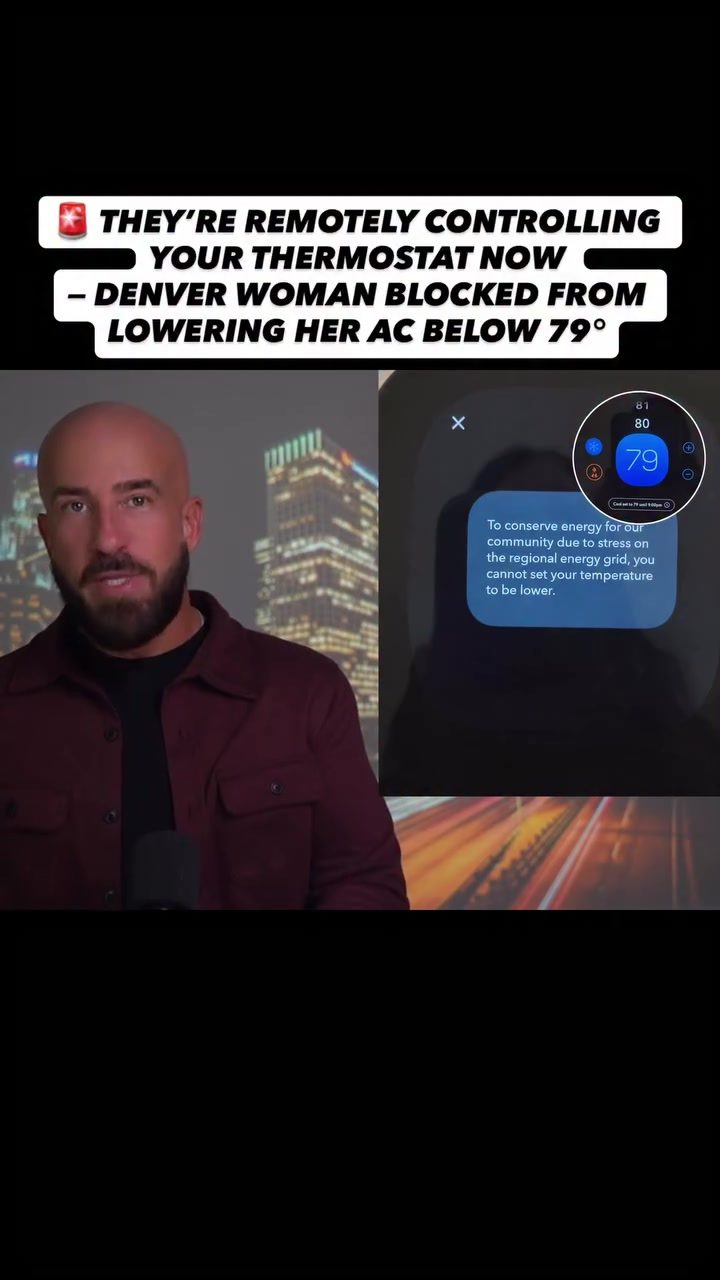
Grid stress occurs when the demand for electricity exceeds the available supply. Utility companies use demand response programs to mitigate this issue by temporarily adjusting the energy consumption of participating households and businesses. In Denver, a utility company took control of a customer's thermostat, preventing her from lowering the temperature to 79 degrees. The screen displayed a warning: "You are not allowed to lower your thermostat set point because the energy grid in your regional area is stressed."
Consumer Experience
The experience of a Denver resident who was unable to lower her thermostat highlights the practical challenges of demand response programs. The woman, who wanted to cool her home for her daughter, was met with a notification that her thermostat settings were locked due to grid stress. This situation underscores the frustration and inconvenience that can arise from such interventions, especially for those with specific comfort or health needs.
The Need for Opt-Out Options
The incident in Denver also raises questions about the necessity of opt-out features. While the woman was able to find a way to opt out, the process was not straightforward. This highlights the need for clearer and more accessible opt-out options, particularly for vulnerable populations such as infants, elderly individuals, and those with medical conditions. The safety and well-being of these groups should be a top priority when implementing demand response programs.
Balancing Energy Needs and Priorities
Data Centers and Energy Demand
One of the significant concerns with demand response programs is the apparent disparity in energy allocation. While residents are being asked to conserve electricity, massive data centers are being built to support the growing demand for AI, cloud computing, and other high- energy services. This raises questions about energy priorities and who benefits from the available resources. For instance, CoreSite is constructing a major data center campus in Denver that will provide computing power for AI, chatbots, search queries, and other services. The existence of these data centers, which consume substantial amounts of energy, adds to the complexity of energy distribution and management.
Public Outcry and Fairness
The incident in Denver has sparked public outcry and debate about the fairness of energy allocation. Many residents question why they should be restricted from controlling their thermostats while large data centers continue to operate without similar restrictions. This situation highlights the need for a more transparent and equitable approach to energy management, ensuring that all stakeholders, including residential consumers and large energy users, are treated fairly.
Practical Tips for Consumers
Understanding Your Thermostat Settings
Knowing how to navigate your thermostat settings is crucial, especially during periods of high grid stress. Familiarize yourself with the opt-out features, if available, and understand how to override any remote restrictions. This can help ensure that you maintain control over your indoor environment when needed.
Communicating with Your Utility Company
Maintain open communication with your utility company. Ask about their demand response programs and how they affect your thermostat settings. Inquire about opt-out options and any additional support they may offer to vulnerable populations. Being informed can help you make better decisions and navigate any challenges that arise.
Preparing for Grid Stress
Consider alternative cooling methods, such as fans or window units, that can provide additional comfort during periods of grid stress. These options can help you maintain a comfortable indoor environment without relying solely on your thermostat.
Important Takeaways
The Importance of Clear Communication
Clear communication from utility companies is essential. Residents should be informed about when and why their thermostat settings may be overridden, as well as any available opt-out options. This transparency can help alleviate frustration and ensure that consumers feel respected and heard.
Prioritizing Vulnerable Populations
Opt-out features must be user-friendly and easily accessible, particularly for vulnerable populations. Providing additional support and resources for these groups can help ensure their safety and well-being, even during periods of high grid stress.
Balancing Energy Needs
Energy distribution must be balanced and fair, considering the needs of both residential consumers and large energy users. Transparent and equitable policies can help address public concerns and ensure that all stakeholders benefit from available resources.
Conclusion
The remote control of thermostats by utility companies highlights the complexities of energy management and the need for a more balanced and equitable approach. Understanding the issues at play, from grid stress and demand response to the growing demand for energy from data centers, is crucial for navigating this evolving landscape. By prioritizing clear communication, supporting vulnerable populations, and ensuring a fair distribution of resources, we can work toward a more sustainable and equitable energy future.
Watch the Reel
Recent articles
Fresh deep dives from the latest Reels we unpacked.




Comments
Be the first to comment.