Human Evolution and Diet
The link between human evolution and diet is profound, particularly when examining dental health. Our ancestors' diets, compositionally different from ours, significantly influenced their dental well-being. Understanding this relationship provides valuable insights into both human evolution and modern oral health.
Why This Matters
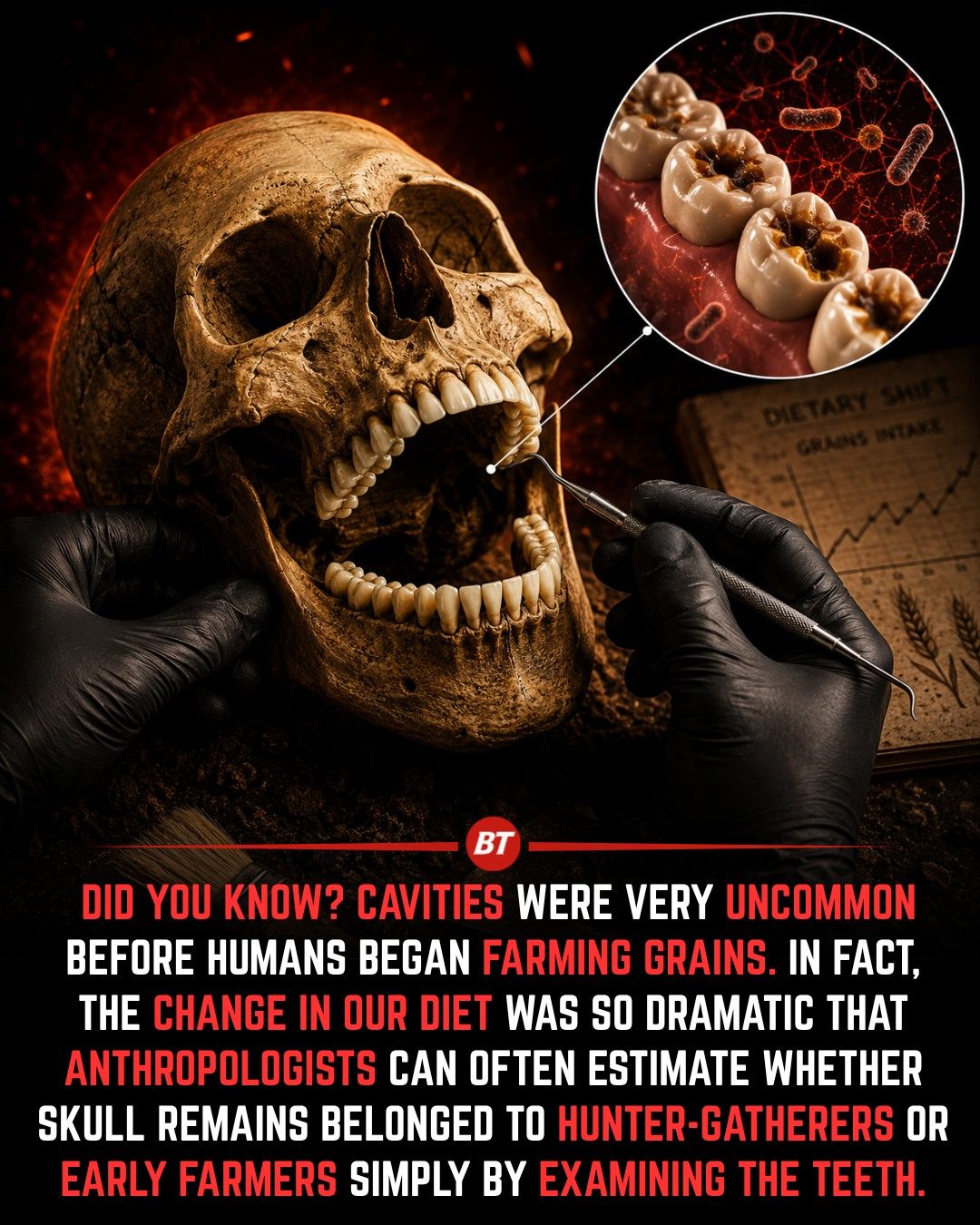
The dramatic shift in human diet, from foraging to farming, has had lasting impacts on our physical health. By studying the dental remains of ancient humans, anthropologists can discern whether an individual was a hunter-gatherer or an early farmer. This shift occurred around 10,000–12,000 years ago when agriculture began, introducing staple crops like wheat, barley, and rice. These crops increased the intake of fermentable carbohydrates, which, in turn, affected dental health.
Dental Health and Dietary Shifts
The Hunter-Gatherer Diet
Before the advent of farming, hunter-gatherers consumed a diet rich in meat, fish, nuts, fruits, and wild plants. This nutrient-dense diet was low in refined or starch-rich foods, which are primary contributors to tooth decay. As a result, cavities were relatively uncommon.
The Rise of Agriculture
With the rise of agriculture, humans began to rely more heavily on grains and other starch-rich crops. This dietary shift led to an increase in the consumption of fermentable carbohydrates, which bacteria in the mouth thrive on. These bacteria produce acids that gradually dissolve tooth enamel, leading to cavities over time. Studies of ancient skeletons have consistently shown that tooth decay became much more common after the adoption of farming, making dental health one of the clearest biological markers of this major dietary shift.
The Evolution of Dental Health
The shift from a hunter-gatherer diet to an agricultural diet impacted dental health in several ways:
Tooth Decay
The introduction of grains and other starch-rich foods led to a significant increase in tooth decay. This is because the bacteria in the mouth feed on these carbohydrates, producing acids that erode tooth enamel. The more frequent consumption of these foods, the higher the likelihood of cavities.
Tooth Wear
Hunter-gatherers typically had fewer cavities but more tooth wear from coarse foods. This wear and tear on teeth was a result of the tough, fibrous nature of their diet, which required more chewing and grinding. In contrast, early farming communities often showed a noticeable increase in dental decay but less tooth wear, likely due to the softer, more processed nature of their food.
Dental Plaque and Oral Health
Patterns of cavities, tooth wear, and dental plaque provide valuable clues about how ancient populations lived and what they ate. For example, a higher incidence of dental plaque and cavities in a population suggests a diet rich in carbohydrates, while more tooth wear indicates a diet of tough, fibrous foods. Hunter-gatherers typically had fewer cavities but more tooth wear from coarse foods, while early farming communities often showed a noticeable increase in dental decay.
Practical Tips
While grains themselves aren't inherently harmful, the frequency and type of carbohydrate consumption matter greatly. Here are some tips to maintain good oral health:
Limit Sugar and Starch Intake
Limit the frequency of sugary snacks and starch-rich foods. The less often you consume them, the less opportunity bacteria have to produce acid and erode your tooth enamel.
Eat Fiber-Rich Foods
Include plenty of fiber-rich whole foods in your diet. These foods help clean your teeth and promote saliva production, which can neutralize acids in the mouth.
Maintain Good Oral Hygiene
Brush and floss daily to remove plaque and food debris from your teeth. Regular dental check-ups can also help detect and treat problems early.
Important Takeaways
The shift from a hunter-gatherer diet to an agricultural diet had significant impacts on human dental health. The rise of agriculture introduced carbohydrates that bacteria thrive on, leading to increased tooth decay. By examining ancient dental remains, anthropologists can estimate whether an individual was a hunter-gatherer or an early farmer. Understanding this relationship provides valuable insights into both human evolution and modern oral health. Adopting a balanced diet rich in fiber and limiting the intake of refined carbohydrates can help maintain good oral health, just as it has for thousands of years.
Conclusion
Human evolution and diet are intricately linked, with significant impacts on dental health. By understanding the dietary shifts of our ancestors, we can gain valuable insights into our own oral health. The key takeaway is that the overall dietary pattern matters—especially the balance between fiber-rich whole foods and frequent exposure to refined carbohydrates and added sugars. By adopting healthy habits, we can ensure our teeth tell a story of good health and well-being, just as they have for thousands of years.
Watch the Reel
Questions readers ask
How did the transition to an agricultural diet affect early humans' teeth?
The shift from a hunter-gatherer diet to an agricultural diet led to a significant increase in tooth decay. Agricultural diets, high in fermentable carbohydrates from grains like wheat and barley, created an environment in the mouth that promoted the growth of cavity-causing bacteria.
What can dental remains tell us about ancient diets?
Dental remains provide a wealth of information about ancient diets. For instance, the presence of microscopic wear patterns and tooth decay can indicate whether an individual was a hunter-gatherer or an early farmer. Hunter-gatherers typically have fewer cavities, while early farmers often show increased signs of tooth decay and wear from processing grains.
Why did hunter-gatherers have better dental health?
Hunter-gatherers had better dental health due to their diet rich in meat and wild plants, which are less likely to cause tooth decay. This diet was also less processed than the agricultural diet, which introduced more fermentable carbohydrates and increased the risk of cavities. Additionally, hunter-gatherers may have had better oral hygiene practices, contributing to their overall better dental health.
How did farming change human teeth?
Farming changed human teeth significantly by introducing a diet high in grains, which increased the intake of fermentable carbohydrates. This led to a higher prevalence of cavities and more advanced tooth wear from processing grain with teeth. Over time, these dietary changes resulted in a notable increase in tooth decay and other dental issues in early farming populations.
What do anthropologists learn from studying ancient human dental health?
By studying ancient human dental health, anthropologists can determine the diets of past populations and the transition from foraging to farming. This includes identifying the types of food consumed, the processing methods used, and the health impacts of these dietary changes. The study of ancient dental remains provides a unique perspective on the evolutionary history of humans and the impact of dietary changes.
What role did grains play in the dental health of early farmers?
Grains played a significant role in the dental health of early farmers. The increased consumption of grains, which are high in fermentable carbohydrates, led to a higher incidence of tooth decay. This is because the bacteria in the mouth feed on these carbohydrates and produce acids that erode tooth enamel, leading to cavities and other dental issues.
How does understanding ancient diets and dental health help us today?
Understanding ancient diets and dental health helps us recognize the impact of modern diets on oral health. By seeing how the shift to a grain-rich diet affected our ancestors, we can make more informed choices about our own diets. This knowledge can guide us in maintaining better oral health and preventing conditions like tooth decay.
Related deep dives
Similar reads based on topic and creator.




Recent articles
Fresh deep dives from the latest Reels we unpacked.




Comments
Be the first to comment.