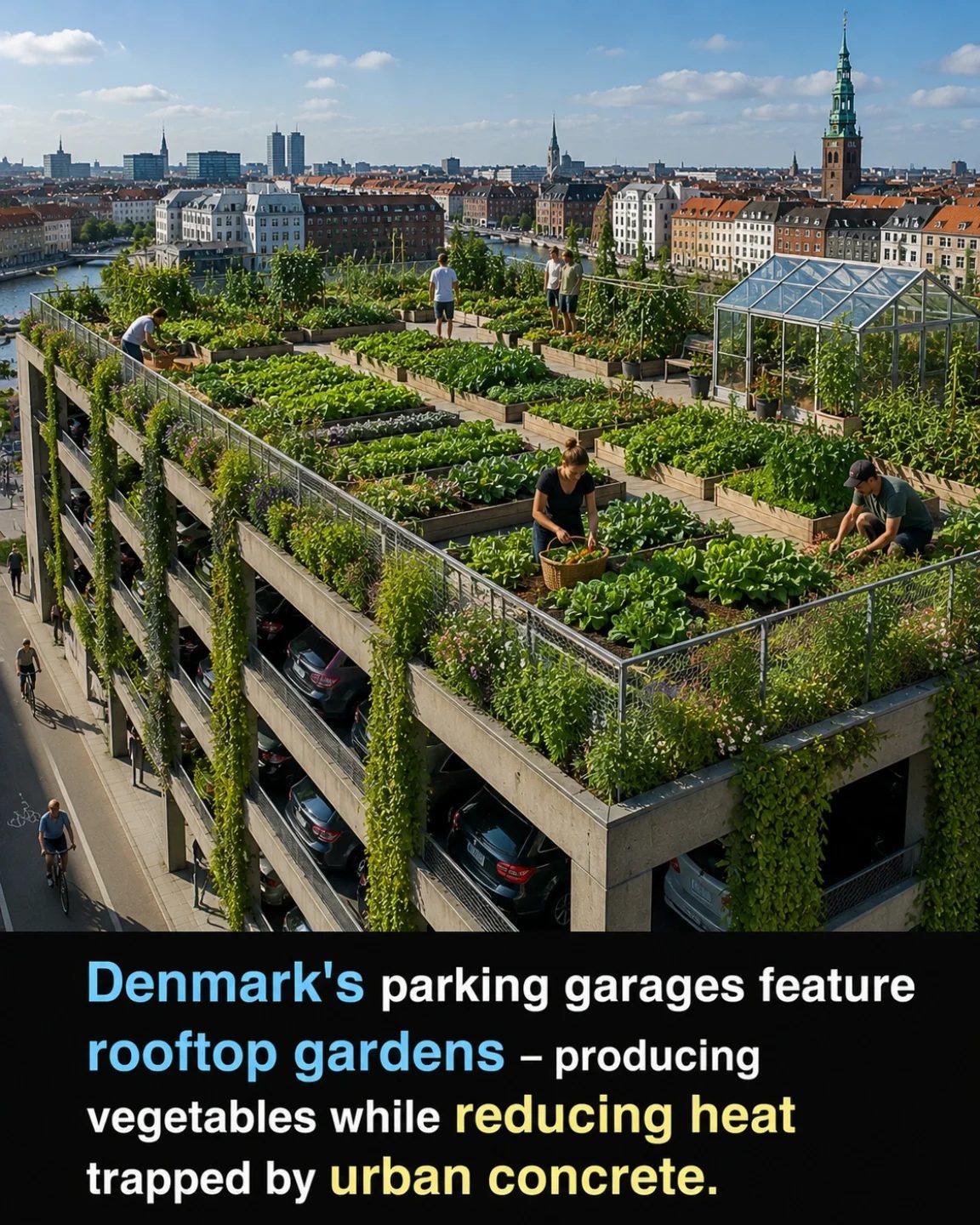
Rooftop Gardens in Denmark
Denmark's urban landscape is taking a bold step towards sustainability with the innovative integration of rooftop gardens on parking garages. These green spaces not only enhance the aesthetic appeal of urban environments but also serve practical purposes, such as producing fresh vegetables and mitigating the urban heat island effect. This approach demonstrates a forward-thinking strategy in urban planning, combining functionality with environmental benefits.
Why This Matters
Urbanization often brings about challenges such as increased urban heat, reduced green spaces, and limited food production areas. Rooftop gardens on parking garages offer a practical solution to these issues. By transforming underutilized spaces into productive green areas, cities can create cooler microclimates, promote local food production, and enhance biodiversity. This approach is not just about aesthetics; it's a step towards making urban living more sustainable and resilient.
The Benefits of Rooftop Gardens
Cooling the Urban Environment
One of the most significant benefits of rooftop gardens is their ability to reduce the urban heat island effect. Concrete and asphalt absorb and retain heat, making urban areas significantly warmer than their rural counterparts. Rooftop gardens help mitigate this by providing a layer of vegetation that absorbs sunlight and releases moisture, creating a cooling effect. This not only makes urban spaces more comfortable but also reduces energy consumption for cooling buildings.
Producing Fresh Vegetables
Rooftop gardens on parking garages are not just for show; they are functional spaces that produce fresh vegetables. This local food production reduces the need for long-distance transportation of produce, lowering carbon emissions and supporting local food security. Moreover, having access to fresh, locally grown vegetables encourages healthier eating habits among urban residents.
Enhancing Urban Biodiversity
Urbanization often leads to a loss of biodiversity. Rooftop gardens help counteract this by providing habitats for various plant and animal species. These green spaces attract pollinators like bees and butterflies, contributing to the overall health of the local ecosystem. Additionally, the presence of greenery can improve air quality by filtering pollutants and producing oxygen.
The Design and Implementation
Utilizing Underutilized Spaces
Parking garages are often enormous structures with vast rooftops that are left unused. Transforming these spaces into rooftop gardens is a practical way to maximize the use of urban land. This approach not only repurposes underutilized areas but also adds value to the existing infrastructure, making it more sustainable and beneficial for the community.
Sustainable Practices
The design and maintenance of rooftop gardens require careful planning to ensure they are sustainable. This includes selecting appropriate plant species that can thrive in the rooftop environment, implementing efficient irrigation systems, and using organic practices to support biodiversity. Additionally, these gardens can be designed to collect and use rainwater, further reducing water consumption.
Practical Tips
If you're considering starting a rooftop garden or advocating for one in your community, here are some practical tips to get you started:
- Assess the Site: Evaluate the rooftop's structural integrity and ensure it can support the weight of the garden. Consider factors like sunlight exposure, wind patterns, and accessibility.
- Choose the Right Plants: Select plants that are well-suited to the rooftop environment. Vegetables like lettuce, tomatoes, and herbs are good choices for rooftop gardens.
- Install Efficient Irrigation: Use drip irrigation systems to conserve water and ensure plants receive the right amount of moisture.
- Implement Sustainable Practices: Use organic fertilizers, compost, and avoid pesticides to support biodiversity and promote healthy soil.
- Engage the Community: Involve local residents in the planning and maintenance of the garden. Community engagement can foster a sense of ownership and ensure the garden's long-term success.
Important Takeaways
- Rooftop gardens on parking garages are a practical and sustainable solution to urban challenges.
- These gardens help cool urban environments, produce fresh vegetables, and enhance biodiversity.
- The design and maintenance of rooftop gardens require careful planning and sustainable practices.
- Engaging the community is crucial for the success and long-term sustainability of rooftop gardens.
Conclusion
Rooftop gardens on parking garages in Denmark represent a innovative approach to urban planning. By repurposing underutilized spaces into productive green areas, cities can address multiple challenges, including the urban heat island effect, food production, and biodiversity loss. This approach not only enhances the aesthetic appeal of urban environments but also contributes to a more sustainable and resilient future. Embracing such innovative solutions can inspire other cities to follow suit, leading to greener, healthier urban living.
Watch the Reel
Questions readers ask
How do rooftop gardens on garages in Denmark help combat urban heat?
Rooftop gardens mitigate the urban heat island effect by providing natural cooling. Plants absorb heat and release moisture, which helps lower surrounding temperatures. This makes urban areas more comfortable and reduces the demand for energy-intensive cooling systems.
What types of plants are typically grown in Denmark's rooftop gardens on parking garages?
Rooftop gardens in Denmark often feature a variety of hardy, low-maintenance plants. These include herbs, leafy greens, and other vegetables that thrive in the local climate. Some gardens also incorporate flowers and other ornamental plants to enhance biodiversity and visual appeal.
Can residents access fresh produce from these rooftop gardens?
Yes, many rooftop gardens on garages in Denmark are designed to produce fresh vegetables and herbs. Residents can access this produce, either through community gardening initiatives or by purchasing from local markets. This not only promotes sustainable living but also encourages healthy eating habits.
What are the benefits of integrating rooftop gardens into urban planning?
Integrating rooftop gardens into urban planning offers numerous benefits. It creates green spaces that enhance the urban landscape, promotes biodiversity, and supports local food production. Additionally, these gardens help manage stormwater runoff and improve air quality.
Are there specific design considerations for rooftop gardens on garages in Denmark?
Designing rooftop gardens on garages requires thoughtful planning. Key considerations include ensuring the roof structure can support the weight of the garden, using lightweight and durable materials, and implementing efficient irrigation systems. Additionally, the design should account for wind exposure and ensure easy access for maintenance.
How do rooftop gardens on garages contribute to sustainable urban living?
Rooftop gardens contribute to sustainable urban living by transforming unused spaces into productive green areas. They help cool urban environments, promote local food production, and create opportunities for community engagement. This holistic approach supports a more resilient and eco-friendly city life.
What challenges do urban planners face when implementing rooftop gardens on garages?
Urban planners may encounter challenges such as ensuring rooftops are structurally sound to support the weight of the gardens and managing water drainage. Additionally, they must address potential maintenance issues and ensure that the gardens are accessible and safe for residents. Overcoming these challenges requires a collaborative effort between planners, engineers, and community members.
Related deep dives
Similar reads based on topic and creator.

Recent articles
Fresh deep dives from the latest Reels we unpacked.




Comments
Be the first to comment.