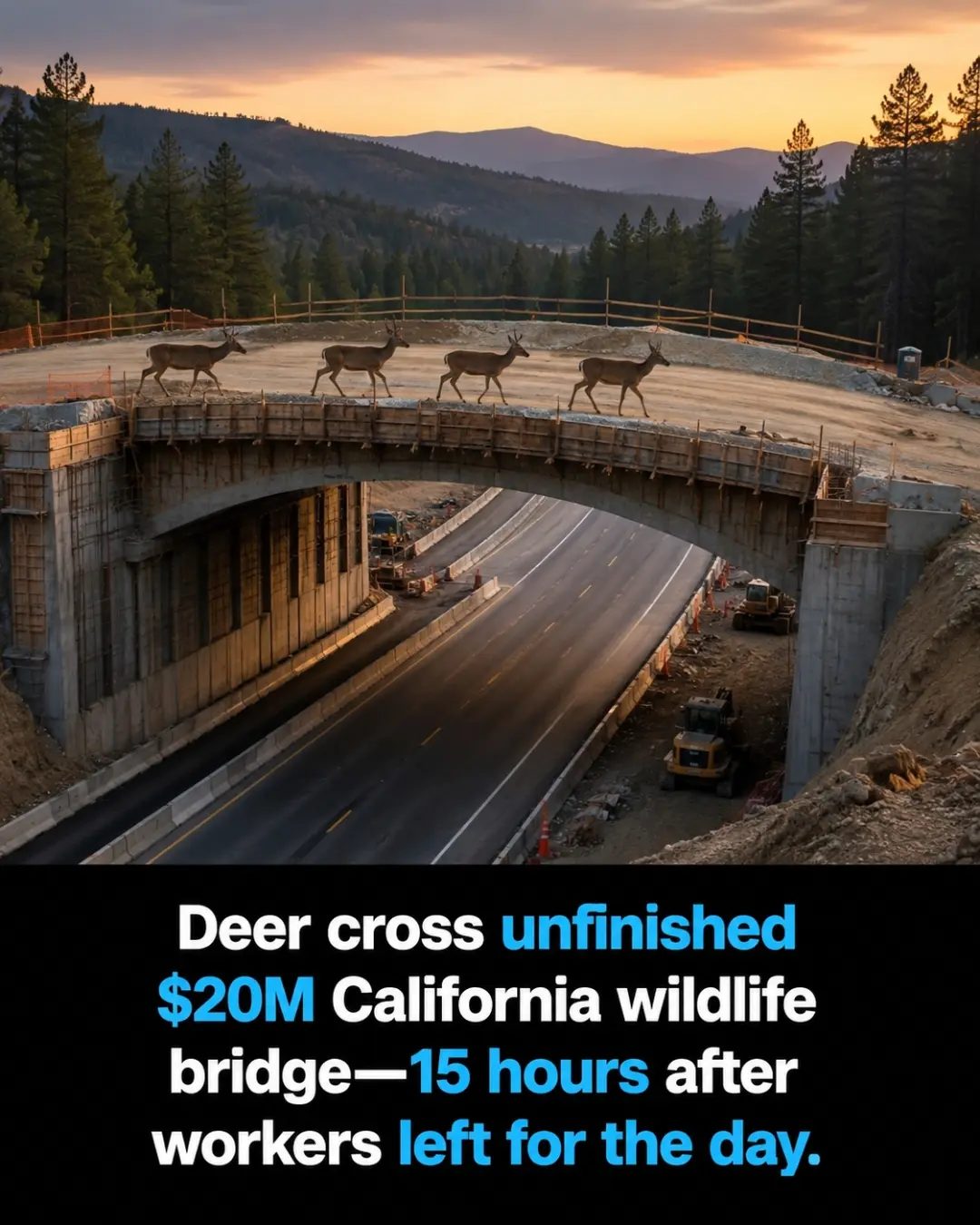
Wildlife Crossing Bridges
Wildlife crossing bridges, also known as overpasses or wildlife bridges, are structures designed to provide safe passage for animals across roads and highways. These bridges are crucial for maintaining wildlife connectivity, reducing animal-vehicle collisions, and preserving biodiversity.
Context / Why This Matters
In recent years, wildlife crossing bridges have gained significant attention due to their role in mitigating the impacts of highway development on wildlife populations. These structures are particularly important in regions with high wildlife density and heavy traffic, such as parts of California. The $20 million wildlife bridge project in California serves as a testament to the growing recognition of the importance of these infrastructure investments.
Wildlife crossings are not just a matter of animal welfare; they also have significant implications for human safety. Animal-vehicle collisions can result in severe injuries, fatalities, and substantial economic losses. By providing safe passage for animals, these bridges help reduce these accidents, making roads safer for both drivers and wildlife.
Main Discussion
Design and Construction
Wildlife crossing bridges are designed to blend seamlessly with the natural environment. They are often covered with vegetation to make them more appealing to animals and to minimize visual impact. The bridges are typically constructed using materials that are durable and can withstand various weather conditions. The design of the bridge takes into account the specific needs of the wildlife in the area, including the types of animals that will use it and their behavior patterns.
In California, the $20 million wildlife bridge is part of a broader effort to address the fragmentation of habitats caused by urban and suburban development. The bridge is designed to connect two large sections of habitat, allowing animals to move safely across a busy highway. The project involves careful planning and collaboration between wildlife biologists, engineers, and construction experts to ensure that the bridge meets the needs of both wildlife and human users.
Wildlife Behavior
One of the most fascinating aspects of wildlife crossing bridges is how animals adapt to and utilize these structures. For example, deer were observed crossing the partially constructed bridge in California 15 hours after workers left for the day. This behavior suggests that deer are capable of quickly learning to use new structures if they are designed correctly. Other animals, such as bears, mountain lions, and small mammals, also benefit from these crossings, which help maintain their natural movement patterns and avoid human-related dangers.
Benefits for Wildlife and Humans
The benefits of wildlife crossing bridges are multifaceted. For wildlife, these structures provide safe corridors for movement, reducing the risk of roadkill and habitat fragmentation. For humans, they enhance road safety by reducing the number of animal-vehicle collisions. Additionally, these bridges can have economic benefits by reducing vehicle repair costs and insurance claims related to wildlife collisions.
In California, the wildlife bridge project is part of a larger initiative to create a network of wildlife corridors. This initiative aims to connect fragmented habitats, promoting genetic diversity and ecological resilience. By providing safe passage for animals, these bridges help maintain healthy wildlife populations and support ecosystem functions.
Practical Tips
For Wildlife Biologists and Engineers
- Conduct Thorough Site Surveys: Before designing a wildlife bridge, conduct extensive site surveys to understand the local wildlife species, their movement patterns, and habitat requirements.
- Collaborate with Experts: Work closely with wildlife biologists and engineers to ensure that the design of the bridge meets the needs of both wildlife and human users.
- Use Appropriate Materials: Choose materials that are durable and can withstand various weather conditions. The materials should also be non-toxic and environmentally friendly.
- Monitor and Evaluate: After construction, monitor the bridge regularly to evaluate its effectiveness. Collect data on wildlife usage and make necessary adjustments to improve its functionality.
- Community Engagement: Engage with the local community to raise awareness about the importance of wildlife crossing bridges and to gather support for the project.
For Drivers
- Be Aware of Wildlife: Pay attention to signs and warnings about wildlife crossings, especially in areas known for high wildlife activity.
- Reduce Speed: Slow down when approaching wildlife crossing areas to give animals more time to cross the road safely.
- Use Headlights: Use your headlights at night to improve visibility and reduce the risk of wildlife collisions.
- Report Wildlife Collisions: If you encounter a wildlife collision, report it to the relevant authorities to help improve road safety and wildlife conservation efforts.
Important Takeaways
- Wildlife crossing bridges are essential for maintaining wildlife connectivity and reducing animal-vehicle collisions.
- These structures require careful planning and collaboration between wildlife biologists, engineers, and construction experts.
- The $20 million wildlife bridge in California is an example of a significant investment in wildlife conservation and road safety.
- Wildlife crossing bridges provide multiple benefits, including enhanced road safety, reduced economic losses, and support for healthy wildlife populations.
- Drivers play a crucial role in ensuring the safety of both wildlife and humans by being aware of wildlife crossings and following safe driving practices.
Conclusion
Wildlife crossing bridges represent a vital investment in both wildlife conservation and human safety. These structures provide safe passage for animals, reduce the risk of roadkill, and enhance the overall health of ecosystems. The construction of the $20 million wildlife bridge in California demonstrates the growing recognition of the importance of these infrastructure investments. By promoting safe wildlife movement and reducing animal-vehicle collisions, these bridges contribute to a safer and more sustainable future for both wildlife and humans.
Watch the Reel
Questions readers ask
What is the Deer Cross Unfinished Wildlife Bridge in California?
The Deer Cross Unfinished Wildlife Bridge is part of a $20 million project in California designed to offer a safe passage for animals, particularly deer, across congested highways. The goal is to reduce animal-vehicle collisions and support wildlife habitat connectivity. This bridge is currently under construction to address the urgent need for wildlife crossing infrastructure and promote biodiversity in the region.
Why is wildlife connectivity important in California?
Wildlife connectivity is vital in California due to the dense population and heavy traffic, which can fragment habitats and increase the risk of animal-vehicle collisions. By providing bridges and overpasses, these connectors help maintain and restore wildlife corridors, allowing animals to move safely between habitats and supporting overall ecosystem health.
How do wildlife bridges benefit local communities?
Wildlife bridges benefit local communities by reducing animal-vehicle collisions, which can lower the risk of accidents, property damage, and injury or death to both people and animals. In addition to enhancing safety, these bridges help maintain biodiversity and can also serve as recreational and tourism destinations, offering residents the opportunity to observe and engage with local wildlife.
What animals are most likely to use the Deer Cross Wildlife Bridge?
The Deer Cross Wildlife Bridge is primarily designed to help deer and other large mammals cross highways safely. In addition to deer, these bridges can accommodate a variety of other animals such as black bears, mountain lions, and various species of smaller mammals, birds, and reptiles, fostering a more interconnected and biodiverse ecosystem.
What are the challenges of building wildlife crosses in heavily trafficked areas?
Building wildlife crosses in heavily trafficked areas presents numerous challenges, including the need to minimize disruption to traffic flow and ensure the safety of both humans and animals during construction. Engineers and designers must also consider the specific needs and behaviors of local wildlife, as well as the environmental and geotechnical conditions of the site, to create effective and safe crossing structures.
How do wildlife bridges contribute to biodiversity in California?
Wildlife bridges contribute to biodiversity in California by enabling animals to move safely between habitats, which promotes genetic exchange and helps maintain healthy populations. This connectivity is essential for preserving the state's diverse wildlife, as it allows animals to access food, water, and shelter while avoiding the risks associated with highway crossings.
What role do wildlife bridges play in mitigating the impacts of highway development?
Wildlife bridges help mitigate the impacts of highway development by providing safe passage for animals, thereby reducing fragmentation of habitats and decreasing the likelihood of animal-vehicle collisions. By connecting isolated habitats, these bridges help preserve biodiversity and support the long-term survival of wildlife populations in regions where highways would otherwise pose significant barriers.
Related deep dives
Similar reads based on topic and creator.
Recent articles
Fresh deep dives from the latest Reels we unpacked.




Comments
Be the first to comment.