Environmental DNA: Unveiling the Hidden Secrets of the Ocean
Delving into the depths of the ocean reveals not just vast expanses of water but also a treasure trove of genetic material. Environmental DNA, or eDNA, is the genetic material shed by organisms into their surroundings, providing scientists with a unique window into the vast and largely unexplored world of marine life.
Why this matters
Understanding the genetic blueprints of marine organisms is crucial for conservation efforts, ecosystem management, and even discovering new biological compounds with potential medical applications. By analyzing eDNA, scientists can gain insights into marine biodiversity, track invasive species, and monitor the health of ecosystems without directly observing the organisms themselves.
The Mysteries of the Deep
The Enigma of Marine DNA
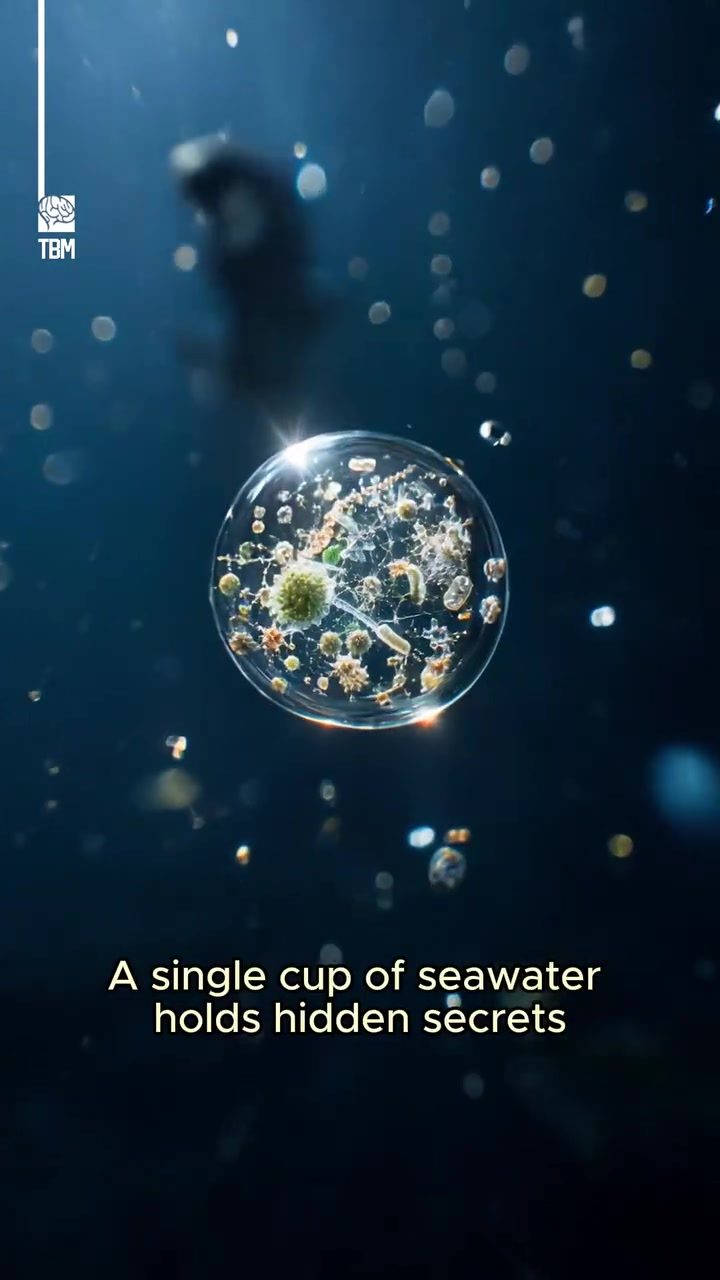
The deep ocean remains one of Earth's most enigmatic and unexplored habitats. A single cup of seawater from these depths can contain DNA from millions of organisms. Remarkably, around 90% of this DNA belongs to species that scientists have yet to identify. This means that within every drop of deep seawater lie genetic fragments from animals, plants, fungi, bacteria, and countless microscopic life forms, all drifting through the darkness.
The Concept of Environmental DNA
Environmental DNA, or eDNA, refers to the genetic material that organisms release into their environment. This can include skin cells, feathers, scales, hair, feces, and other organic matter. Scientists analyze these traces to identify the species present in an area, even when those species are not directly visible. This method is particularly valuable in aquatic environments, where direct observation can be challenging.
The Deep Ocean: Earth's Largest Unexplored Habitat
The deep ocean is Earth's largest unexplored habitat, hiding millions of species that may still be completely unknown to science. The sheer scale and depth of the ocean make it difficult to study through traditional methods. However, eDNA provides a powerful tool for uncovering the secrets of this vast and mysterious realm.
Practical Applications of eDNA
Conservation and Biodiversity
eDNA analysis is revolutionizing the way scientists approach conservation and biodiversity studies. By collecting and analyzing water samples, researchers can identify the presence of endangered species, track population dynamics, and assess the overall health of marine ecosystems. This information is crucial for developing effective conservation strategies and protecting biodiversity.
Monitoring Invasive Species
Invasive species pose a significant threat to marine ecosystems, often outcompeting native species for resources and disrupting ecological balances. eDNA can help detect the presence of invasive species early, allowing for timely interventions. By monitoring eDNA, conservationists can track the spread of invasive species and implement measures to control their impact.
Ecosystem Health and Management
eDNA analysis provides valuable data for ecosystem management. By understanding the genetic composition of marine environments, scientists can monitor changes in biodiversity, detect pollution, and assess the impact of human activities. This information is essential for developing sustainable practices and ensuring the long-term health of marine ecosystems.
Important Takeaways
The study of environmental DNA in the ocean reveals a vast and largely unexplored world of genetic material. Here are some key points to remember:
- A single cup of deep seawater contains DNA from millions of organisms, with around 90% belonging to species yet to be identified.
- eDNA analysis is a powerful tool for identifying species, monitoring biodiversity, and assessing ecosystem health.
- The deep ocean remains Earth's largest unexplored habitat, hiding millions of unknown species.
- Conservation efforts benefit from eDNA analysis, which can detect endangered species, track invasive species, and monitor ecosystem health.
Conclusion
The ocean's depths hold countless mysteries, and environmental DNA offers a groundbreaking way to uncover them. By analyzing the genetic material shed by marine organisms, scientists can gain unprecedented insights into the vast and largely unexplored world beneath the waves. This knowledge is invaluable for conservation, biodiversity management, and understanding the intricate web of life in our oceans. As we continue to explore these hidden realms, eDNA will undoubtedly play a pivotal role in revealing the ocean's secrets and ensuring the health of our planet's most expansive ecosystem.
Watch the Reel
Questions readers ask
What is environmental DNA (eDNA) and how does it help in deep sea exploration?
Environmental DNA, or eDNA, is genetic material shed by organisms into their surroundings, such as seawater. It helps in deep sea exploration by allowing scientists to identify marine organisms without direct observation, providing insights into the hidden biodiversity of the deep ocean.
Why is the genetic material of 90% of deep ocean life still unidentified?
The deep ocean is an extreme and hard-to-reach environment, making direct sampling and observation challenging. Additionally, many deep-sea organisms are small, rare, or new to science, which complicates identification using traditional methods.
How can understanding deep sea DNA benefit conservation efforts?
By analyzing deep sea DNA, scientists can gain a better understanding of marine biodiversity and track changes in ecosystems. This information is crucial for developing effective conservation strategies and managing ecosystems, especially in the face of threats like climate change and pollution.
What are the potential medical applications of studying deep sea organisms?
Deep-sea organisms have adapted to extreme conditions, leading to unique biological compounds with potential medical applications. By studying their genetic material, scientists may discover new drugs, treatments, or even cures for various diseases.
How does eDNA help in monitoring the health of deep sea ecosystems?
eDNA allows scientists to monitor the presence and abundance of marine organisms without disturbing the environment. This helps track invasive species, assess ecosystem health, and detect changes in biodiversity, enabling more effective management of deep-sea resources.
What are the challenges in studying single cup DNA from the deep sea?
Single cup DNA, or DNA from small amounts of water, poses challenges in terms of extraction, amplification, and analysis. Contamination from other sources and the low concentration of DNA in deep-sea water samples can also complicate the study of deep-sea organisms.
How can advances in technology further deep sea DNA research?
Advances in DNA sequencing, bioinformatics, and remote sensing technologies can greatly enhance deep sea DNA research. These tools can help improve the detection and identification of rare or unknown species, as well as increase our understanding of deep-sea ecosystems and their functioning.
Related deep dives
Similar reads based on topic and creator.



Recent articles
Fresh deep dives from the latest Reels we unpacked.




Comments
Be the first to comment.