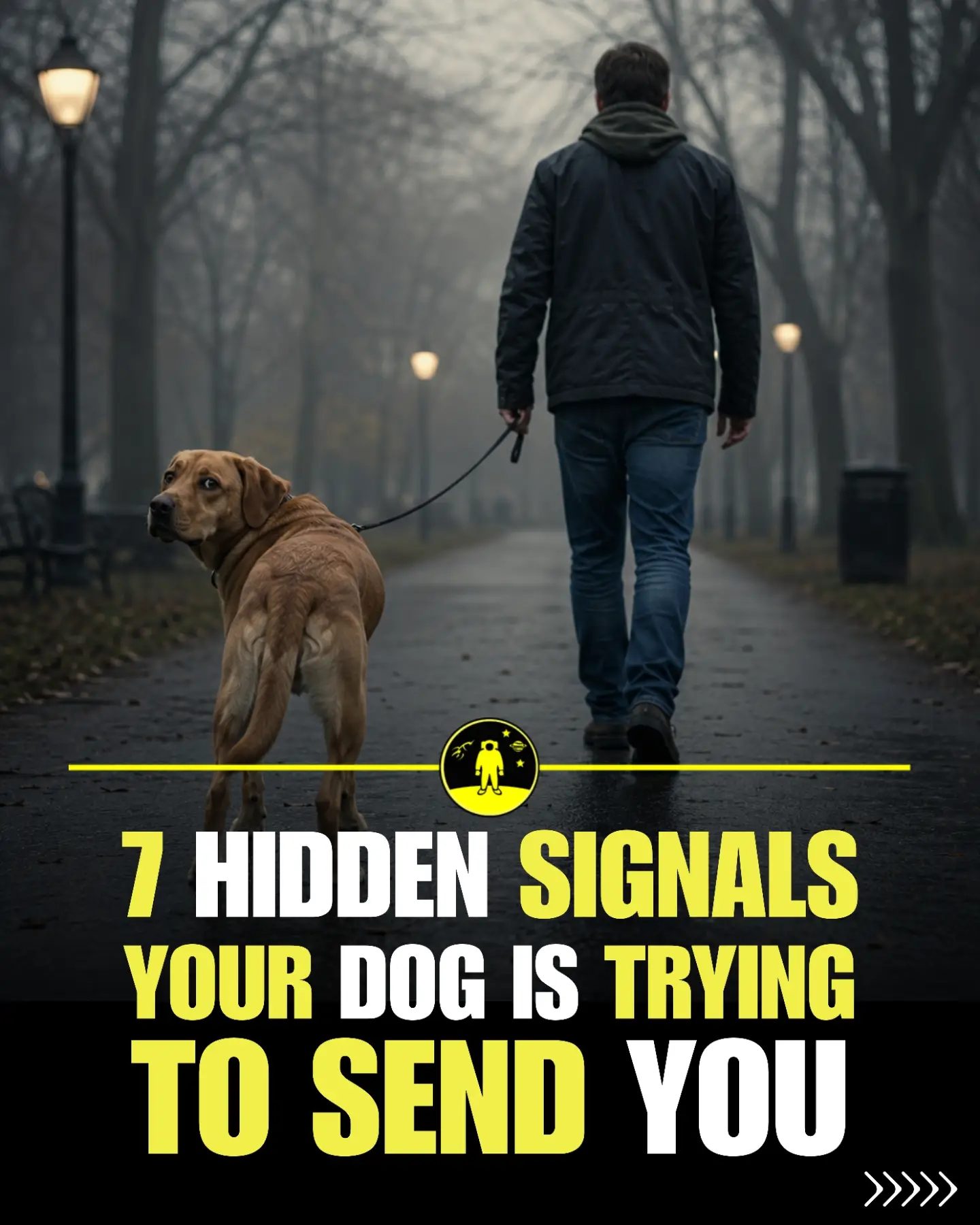
Understanding Dog Body Language and Behavior
Dog body language and behavior are rich forms of communication. By learning to interpret these signals, pet owners can strengthen their bond with their dogs. Understanding the full context is key to interpreting these behaviors accurately. Here, we will break down some common dog behaviors and their potential meanings.
Why This Matters
Dogs use a variety of signals to communicate their needs, emotions, and intentions. Recognizing these signals can help you respond appropriately, enhancing your relationship with your pet. Whether it's a subtle tilt of the head or a playful bow, each behavior provides insights into your dog's state of mind.
Main Discussion
The Dry Shake
A dry shake usually occurs after excitement, stress, grooming, or play. This behavior may help a dog transition from one situation to another, although it is not proven to reset the nervous system as some claims suggest. Pay attention to the context in which your dog shakes off, as it can vary from excitement to stress relief. The key is to observe the overall situation and your dog's demeanor.
The Lifted Front Paw
A lifted front paw can indicate several things: curiosity, uncertainty, anticipation, or focused attention. Some breeds naturally display this posture while tracking scents or concentrating on something interesting. If your dog lifts a paw, consider the environment and recent events. This posture often signals that your dog is processing something intriguing or unfamiliar.
Following You to the Bathroom
Dogs often follow their owners into the bathroom due to attachment, curiosity, or a natural instinct to stay close to their social group. This behavior is not always protective; it can simply be a sign of companionship. If your dog follows you into the bathroom, they might be seeking reassurance or just enjoy being near you.
The Deep Sigh
A deep sigh accompanied by relaxed body language can signal contentment. However, dogs also sigh when they are tired, bored, disappointed, or simply getting comfortable. To understand your dog's sigh, observe their overall body language and the context. If your dog sighs frequently, it might be a sign of emotional or physical discomfort.
The Head Tilt
Dogs tilt their heads to better process unfamiliar sounds, focus on visual cues, or understand what you are communicating. This behavior can help them locate sounds or improve their view when their muzzle blocks part of their vision. A head tilt is not always used for locating sounds; it can also be a sign of curiosity or attentiveness.
Sleeping on Your Clothes
Sleeping on your clothes provides comfort because your scent feels familiar and reassuring. Not all dogs respond the same way, but many find solace in the familiar smell of their owners. If your dog sleeps on your clothes, it’s a sign of trust and comfort.
The Play Bow
The classic play bow, with the front legs lowered and the back end raised, is one of the clearest invitations to play. This posture usually signals friendly intentions and a desire for interaction. When your dog assumes this position, it’s a clear sign that they want to engage in play.
Practical Tips
-
Observe the Full Picture: Always consider your dog's entire body posture, ears, eyes, tail, and surroundings when interpreting behavior.
-
Context Matters: Be aware of recent events and the environment. A behavior that seems alarming in one context might be playful in another.
-
Consistency is Key: Pay attention to patterns. If a behavior is repeated frequently, it might be a consistent way for your dog to communicate a specific need or emotion.
-
Interact Wisely: Respond to your dog's signals appropriately. For example, if your dog lifts a paw in anticipation, it might be a good time to engage in a favorite activity or reward.
-
Seek Professional Help: If you notice unusual or concerning behaviors, consult with a veterinarian or a professional dog behaviorist.
Important Takeaways
Understanding dog behavior and body language is not just about deciphering individual actions, but also about recognizing patterns and the overall context. Be patient and observant, and remember that every dog is unique.
- Every behavior should be interpreted within its full context.
- Dogs use multiple signals to communicate, including body posture, ears, eyes, tail, and more.
- Common behaviors like lifting a paw or tilting the head have specific meanings that can help you understand your dog better.
- Following behaviors can be driven by attachment, curiosity, or a natural instinct to stay close to their social group.
- Always consider the entire situation when interpreting your dog's signals.
Conclusion
Interpreting dog body language and behavior is an ongoing process that requires attention and understanding. By learning to recognize and respond to your dog's signals, you can build a stronger, more meaningful bond. Always remember that context is crucial, and individual behaviors rarely tell the whole story.
Watch the Reel
Questions readers ask
Why is it important to learn dog body language?
Learning dog body language helps you understand your dog's needs, emotions, and intentions. This knowledge allows you to respond appropriately, enhancing your bond and ensuring your dog feels understood and cared for. It also helps in preventing misunderstandings that could lead to stress or behavioral issues.
What does it mean when a dog lifts one paw?
When a dog lifts one paw, it can indicate a range of emotions from excitement to anxiety. Often, dogs do this when they want to greet someone or something, but it can also be a sign of stress or conflict. Always consider the full context, such as the dog's posture, location and other body signals to determine the exact meaning.
What does a dog's sigh mean?
A deep sigh from a dog often indicates relaxation and contentment, similar to when humans sigh after a long day. If the sigh is accompanied by other signs of stress such as pacing, it might indicate mild anxiety or frustration. Always pay attention to other body language cues to interpret the sigh accurately.
Why do dogs do the 'dry shake'?
The 'dry shake' is a behavior where dogs shake themselves vigorously, often after experiencing stress, excitement, or grooming. This action helps dogs to release tension and settle down. It is a self-soothing mechanism, similar to how humans might stretch or shake off a chill.
How can I tell if my dog is anxious?
Dog anxiety can manifest in various ways, such as excessive panting, pacing, whining, or avoiding eye contact. Additionally, anxiety can cause physical signs like a tucked tail, raised hackles, or a 'whale eye' where the whites of the eyes are visible. If you notice these signs, try to identify the source of stress and help your dog feel more secure.
What should I do if my dog shows signs of aggression?
If your dog shows signs of aggression, such as growling, bared teeth, or a stiff posture, it's crucial to remain calm and avoid sudden movements. Give your dog space and try to identify and remove the trigger. If the aggression is severe or frequent, consult with a professional dog trainer or veterinarian for guidance. Never punish your dog for aggressive behavior, as this can escalate the situation.
Can dogs understand human body language?
Dogs are very perceptive and can pick up on many human body language cues, such as facial expressions, posture, and tone of voice. They may not understand the nuances as humans do, but they can sense our emotions and intentions. Positive reinforcement and consistent signals can help your dog learn to respond appropriately to your body language.
Related deep dives
Similar reads based on topic and creator.

Recent articles
Fresh deep dives from the latest Reels we unpacked.




Comments
Be the first to comment.