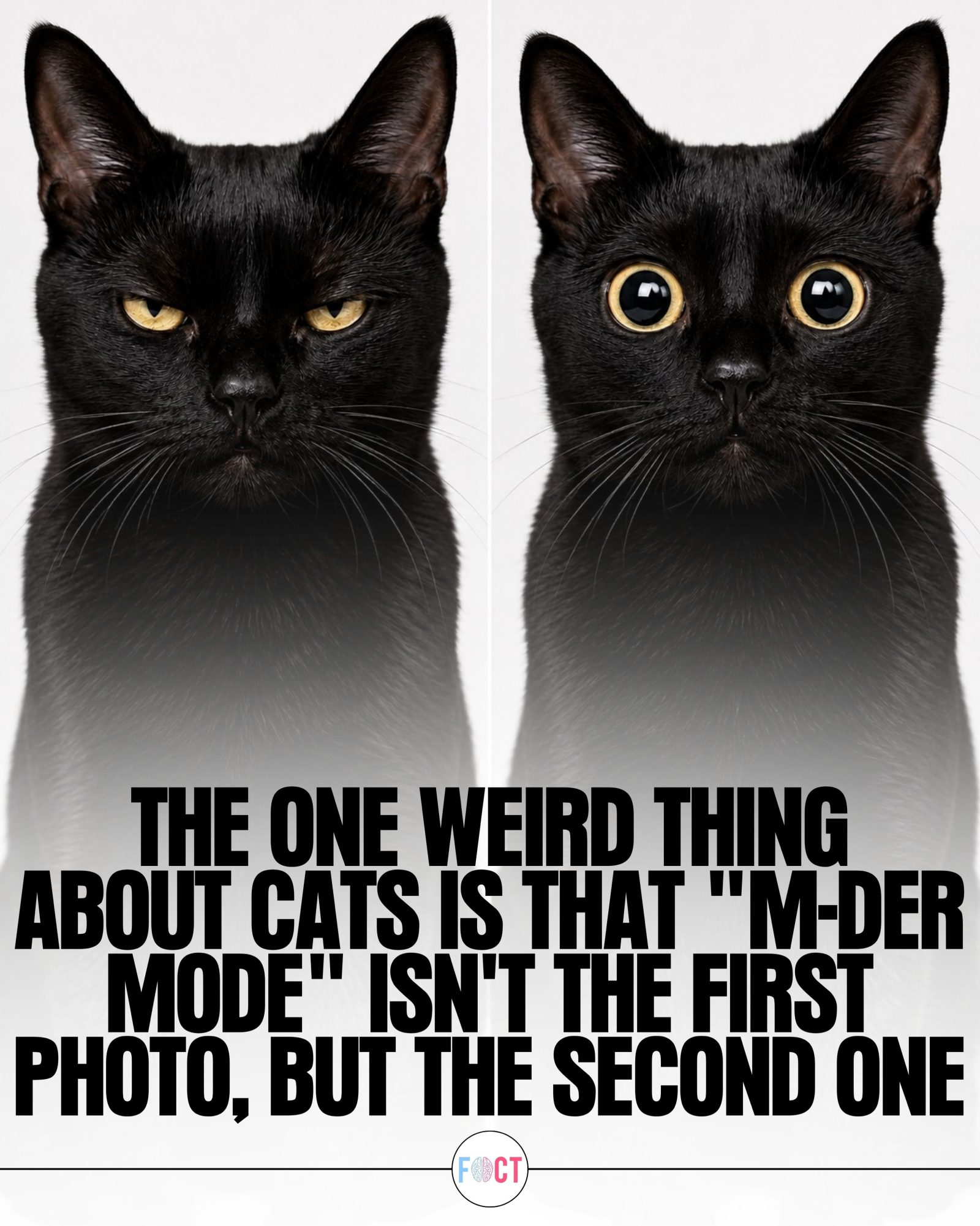
Understanding Cat Body Language and Expressions
Cats are much more expressive than many people realize, constantly communicating through subtle shifts in their eyes, ears, whiskers, and posture. By observing these tiny facial cues and body language, you can decode what your cat is saying, turning a seemingly simple expression into a full, silent conversation.
Why This Matters
Cats are known for their independent nature, but they are also social creatures that communicate with their human companions. Understanding their body language can enhance the bond between you and your cat, making interactions more meaningful. It can also help you identify when your cat is happy, anxious, or in pain. Recognizing these signals can improve your ability to care for your cat and address their needs more effectively.
The Intricacies of Cat Communication
Ears: A Window into Emotions
A cat's ears can convey a lot about their emotional state. When a cat is relaxed and content, their ears will be upright and facing forward. If a cat is alert or interested in something, their ears will rotate to focus on the source of the sound. On the other hand, if a cat is frightened or agitated, their ears will be flattened against their head. Ears that twitch or flick can indicate that a cat is irritated or annoyed.
Eyes: The Gates of Feline Emotion
A cat's eyes are another significant indicator of their mood. When a cat is happy or content, their eyes will be partially closed, giving them a soft and relaxed appearance. Wide-open eyes can signal fear or alertness, while slowly blinking is often a sign of trust and affection. Dilated pupils can indicate excitement, fear, or aggression, depending on the context.
Whiskers: Sensory Antennae
Whiskers, or vibrissae, are more than just decorative features; they are highly sensitive sensory organs. Cats use their whiskers to navigate their environment, especially in low light or tight spaces. When a cat's whiskers are relaxed and facing outward, they are usually calm. Whiskers that are pulled back or flattened can indicate fear or aggression. Additionally, whiskers that twitch or vibrate can signal excitement or curiosity.
Tail Movements: The Tail as a Mood Barometer
A cat's tail is perhaps the most expressive part of their body. A tail held high and straight indicates confidence and alertness, while a tail swishing back and forth can signal irritation or agitation. A rapidly flicking tail tip often signals that a cat is focused on something, while a tail tucked between the legs indicates fear or submission. When a cat's tail is relaxed and gently swaying, they are generally content and at ease.
Body Language: The Full Picture
While facial expressions and tail movements are crucial, a cat's overall body language provides even more context. A relaxed and loose body posture indicates contentment, while a tense or crouched stance can signal fear or aggression. Pay attention to the position of a cat's head and shoulders as well. A head held high and shoulders relaxed suggest confidence, while a lowered head and hunched shoulders may indicate submission or fear.
Practical Tips for Decoding Cat Body Language
Observe the Whole Picture
To truly understand what a cat is communicating, observe their entire body, not just individual parts. For example, a cat with flattened ears and a twitching tail is likely feeling agitated, while a cat with relaxed ears, slow blinks, and a gently swaying tail is content.
Pay Attention to Context
Context is crucial when interpreting cat body language. The same body language can have different meanings in different situations. For example, a cat's dilated pupils could indicate excitement when they're about to play, but fear if they're startled by a loud noise. Always consider the context and other environmental factors.
Learn Common Cues
While every cat is unique, there are some common cues that are generally consistent across feline behavior. Familiarize yourself with these cues to better understand your cat's emotional state. For instance, a cat that is rubbing its head against you is showing affection, while a cat that is hissing and arching its back is signaling aggression or fear.
Important Takeaways
Understanding cat body language can greatly enhance your ability to communicate with your feline companion. By recognizing and interpreting their subtle cues, you can build a stronger bond, provide better care, and address their needs more effectively. Remember, cats are constantly communicating through their body language, and it's up to you to learn their unique language.
Conclusion
Cats are expressive creatures that use a complex system of body language to communicate their feelings and needs. By observing their eyes, ears, whiskers, tails, and overall body posture, you can decode their silent conversations and respond more appropriately. Whether you're a seasoned cat owner or new to feline companionship, understanding cat body language is a valuable skill that can enrich your relationship with your cat.
Watch the Reel
Questions readers ask
How do a cat's ears indicate their mood?
A cat's ears can convey a range of emotions. Erect and forward-facing ears often indicate alertness or curiosity, while ears flattened against the head can signal fear or aggression. If the ears are slightly tilted back, your cat might be feeling relaxed or content.
What can I infer from my cat's whiskers?
Whiskers serve as a crucial sensory tool but also provide insights into your cat's mood. Whiskers that are relaxed and pointing sideways usually mean your cat is calm and content. Conversely, whiskers that are pushed forward or twitching can indicate that your cat is focused, alert, or even agitated.
How can I tell if my cat is happy through their facial expressions?
A happy cat will often display relaxed and gently squinting eyes, sometimes referred to as 'cat kisses.' The corners of their mouth may also curve slightly upward, and their overall body language will be loose and relaxed. Purring is a common auditory cue that accompanies these facial expressions.
What does it mean if my cat's pupils are dilated?
Dilated pupils in cats can indicate a range of emotions, from excitement and happiness to fear or aggression. If your cat's pupils are dilated and they are in a calm environment, they might be excited or happy. However, if they are in a stressful situation, it could signal fear or anxiety.
Why do cats blink slowly at you?
Slow blinking, often called a 'cat kiss,' is a sign of trust and affection. When your cat blinks slowly at you, they are showing that they feel safe and content in your presence. You can reciprocate this gesture to strengthen your bond, as cats often understand and appreciate this form of communication.
What are some common misinterpretations of cat body language?
One common misinterpretation is assuming a cat's tail twitching always means they are annoyed. While a rapidly twitching tail can indicate irritation, a slow twitch can simply mean your cat is focused or interested in something. Another misinterpretation is assuming all hissing means aggression; sometimes, cats hiss as a warning when they feel threatened or scared, rather than being immediately aggressive.
How can understanding cat body language improve my relationship with my cat?
By learning to read your cat's facial expressions and body language, you can better understand their needs and emotions. This understanding can help you respond more appropriately to their cues, whether they're feeling playful, anxious, or in need of comfort. This heightened awareness can lead to more meaningful interactions and a stronger bond between you and your cat.
Related deep dives
Similar reads based on topic and creator.



Recent articles
Fresh deep dives from the latest Reels we unpacked.




Comments
Be the first to comment.