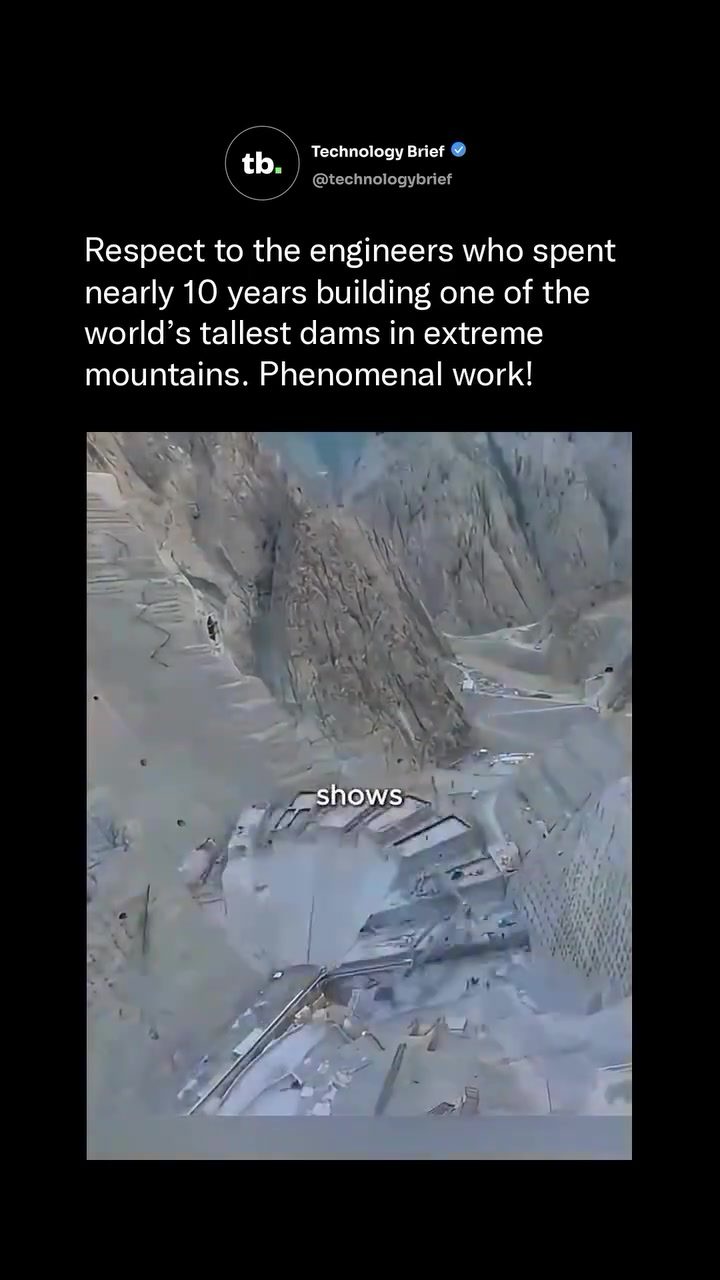
Dam Construction
The Yusufeli Dam in Turkey stands as a monumental feat of modern engineering, a testament to the ingenuity and perseverance of its builders. This impressive structure, nestled in the rugged terrain of Artvin Province, soars to a height of 275 meters (approximately 900 feet), making it the tallest dam in Turkey and the fifth-tallest arch dam globally. The construction journey began in 2013 and spanned nearly a decade, showcasing the challenges and innovations involved in such a colossal project.
Why This Matters
The Yusufeli Dam is more than just a structural marvel; it plays a crucial role in the region's infrastructure and energy production. The dam can store approximately 2.2 billion cubic meters of water, which is then harnessed to generate nearly 2 billion kilowatt-hours of electricity annually. This amount of power is sufficient to supply energy to millions of homes, making it a vital component of Turkey's energy grid.
The construction of the Yusufeli Dam had significant environmental and social implications. As the reservoir began filling in November 2022, it submerged an entire river valley, including a town center and seven villages. This necessitated the relocation of over 7,000 residents, highlighting the profound impact such projects can have on local communities.
Main Discussion
The Engineering Challenge
Constructing the Yusufeli Dam was a monumental task that demanded innovative engineering solutions. The dam's height and the mountainous terrain posed significant challenges. Special cranes were employed to transport construction equipment to the remote and difficult-to-access sites. The dam's design and build highlight the advanced engineering capabilities of the Turkish engineers who undertook this complex project.
Construction Timeline and Methodology
The construction of the Yusufeli Dam began in February 2013. Over the next decade, engineers poured approximately 6 million cubic meters of concrete into a narrow mountain gorge. This massive undertaking was made possible by precise planning and the use of specialized machinery designed to operate in extreme conditions.
The reservoir's filling process was meticulously monitored, beginning in November 2022 and reaching full capacity within a year. This rapid filling was a testament to the dam's robust design and the efficiency of the engineering team. The reservoir's capacity to store 2.2 billion cubic meters of water underscores its importance in regulating water flow and generating hydroelectric power.
Environmental and Social Impact
The construction of the Yusufeli Dam had a profound environmental impact on the region. As the reservoir filled, it submerged an entire river valley, including a town center and seven villages. This required the relocation of over 7,000 residents, a significant undertaking that underscored the social and environmental costs of such large-scale projects.
The relocation process involved extensive planning and coordination to ensure the well-being of the affected communities. The dam's completion has not only provided a reliable source of electricity but has also shaped the future of the region, offering opportunities for economic development and infrastructure improvements.
Hydroelectric Power Generation
The Yusufeli Dam is equipped with three turbines, boasting a combined capacity of 558 megawatts. These turbines generate close to 2 billion kilowatt-hours of electricity annually, contributing to Turkey's energy independence. The hydroelectric power generated by the dam is a clean and renewable energy source, reducing reliance on fossil fuels and lowering carbon emissions.
Practical Tips
Building a dam of this scale involves meticulous planning, advanced engineering, and a deep understanding of the environmental and social impacts. For those involved in similar projects, here are some practical tips:
Site Selection and Preparation
Choose a site that is both environmentally and socially feasible. Conduct thorough environmental impact assessments and involve local communities in the planning process to mitigate potential challenges.
Use of Advanced Technology
Employ advanced engineering technologies to overcome logistical and environmental challenges. Specialized cranes and other heavy machinery can help navigate difficult terrain and ensure the project stays on track.
Community Engagement
Engage with local communities from the outset. Regular communication and transparency can help build trust and ensure that the project benefits the local population. Plan for relocation and support displaced communities to minimize the social impact.
Environmental Management
Monitor and manage the environmental impact of the project. Develop strategies to mitigate negative effects and promote sustainable practices, ensuring the long-term viability of the project.
Important Takeaways
The Yusufeli Dam project in Turkey exemplifies the pinnacle of modern engineering and the challenges of large-scale infrastructure projects. The dam's height, the rugged terrain, and the need to relocate entire communities highlighted the complexity of the endeavor. The success of the project underscores the importance of advanced engineering, community engagement, and environmental management in such endeavors.
Conclusion
The Yusufeli Dam stands as a testament to human ingenuity and engineering prowess. Its construction was a monumental task, spanning nearly a decade and requiring innovative solutions to overcome significant challenges. The dam's ability to generate substantial hydroelectric power and regulate water flow makes it a vital component of Turkey's infrastructure. The social and environmental aspects of the project, including the relocation of local residents, highlight the multifaceted nature of such large-scale endeavors.
Watch the Reel
Recent articles
Fresh deep dives from the latest Reels we unpacked.




Comments
Be the first to comment.