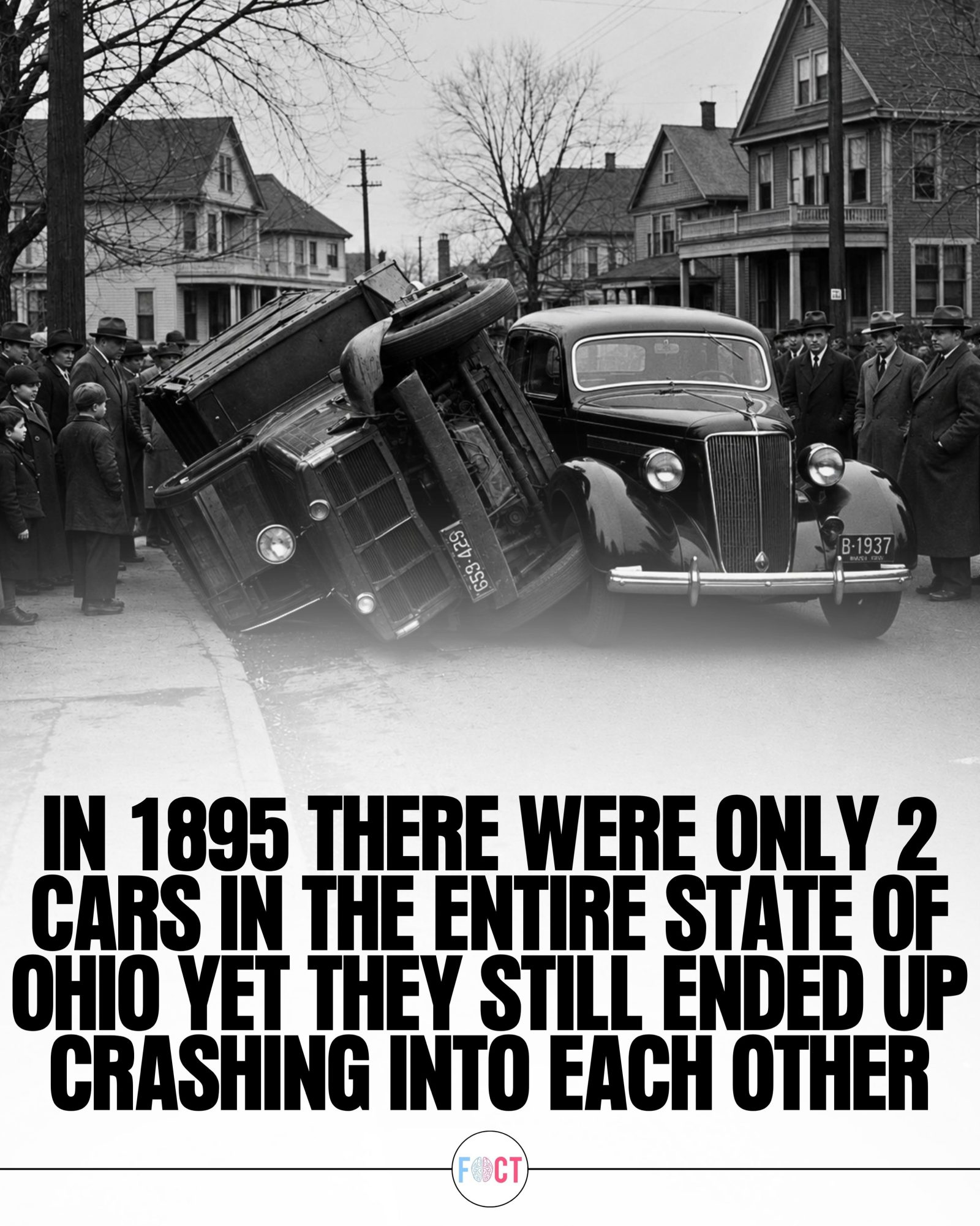
The legend that there were only two cars in Ohio in 1895 and that they crashed into each other is one of the most well-known tales in automotive history. The story has been widely shared across the internet, appearing in various forms of trivia, memes and publications. Yet, despite its popularity, historians have been unable to find evidence to support the claim.
The tale likely originated from a 1967 advertising campaign, which was then repeated in books, memes and trivia collections, further cementing its place in popular culture. However, Ohio did not keep official automobile registration records during that time, making it challenging to verify the actual number of cars in the state in 1895.
Why This Matters
The story is a fascinating example of how folklore can emerge and persist, even in the face of historical uncertainty. It also highlights the impact of early automotive innovations and the public's fascination with the new technology. More broadly, it raises questions about how history is perceived and shared in the digital age.
The Early Days of Automobiles in Ohio
The late 19th and early 20th centuries were a time of rapid technological development, and automobiles were one of the most exciting innovations of the era. In the absence of official records, it is challenging to determine the exact number of cars in Ohio in 1895. However, it is clear that automobiles were a novelty and that their presence on the roads was a significant event.
Given the rarity of these vehicles, it is plausible that any car accident at this time would have been notable. The image of an overturned car in a street scene, with a crowd of people gathered around, underscores the novelty and intrigue surrounding early automobiles. This scene would have been a rare and dramatic sight, making it a memorable event for those who witnessed it.
The Origin of the Legend
The legend likely began as a way to highlight the novelty and rarity of automobiles in the late 19th century. The 1967 advertising campaign that popularized the story played a significant role in its dissemination. By framing the tale as a humorous and unexpected event, the campaign tapped into the public's fascination with early automotive history and helped to perpetuate the myth.
Over time, the story was repeated in various forms, from trivia books to memes, becoming a staple of automotive lore. However, as more research has been conducted into the early days of automobiles, historians have been unable to find credible evidence to support the claim that there were only two cars in Ohio in 1895 and that they crashed into each other.
The Impact of Early Automobiles
The early days of automotive history were marked by both excitement and uncertainty. The introduction of cars brought with it new challenges and opportunities, as people adapted to the presence of these novel machines on the streets. Early accidents, while certainly rare, would have been significant events, drawing crowds and capturing the public's imagination.
Practical Tips for Researching Automotive History
Researching the early days of automotive history can be a rewarding endeavor, but it is essential to approach the subject with a critical eye. Here are some tips to help you navigate the world of automotive folklore and history:
-
Verify Sources: Always check the credibility of the sources you are using. Just because a story is widely shared does not make it true. Look for primary sources and corroborating evidence.
-
Consider the Context: Understand the historical context in which events occurred. This can help you better interpret the significance of specific events and dispel myths.
-
Cross-Reference Information: Compare information from multiple sources to ensure accuracy. This is particularly important when dealing with historical events that are poorly documented.
-
Be Aware of Bias: Recognize that historical accounts can be biased or influenced by the interests of those who recorded them. This is especially true for early automotive history, where much of the information comes from manufacturers or advertisers.
-
Explore Primary Sources: Whenever possible, consult primary sources, such as contemporary newspaper accounts, advertisements, and photographs. These can provide valuable insights into the events of the past.
Important Takeaways
The tale of the two cars in Ohio is a compelling example of how stories can take on a life of their own, becoming part of the collective consciousness. It underscores the importance of verifying historical claims and approaches the subject with a critical eye.
Understanding the early days of automotive history involves more than just learning about the technological innovations of the time. It also requires an appreciation for the social and cultural context in which these innovations were introduced. The impact of early automobiles on society was profound, and the stories that emerged from this period continue to captivate our imagination.
Conclusion
The legend of the two cars in Ohio serves as a reminder of the enduring power of stories and the importance of historical accuracy. While the tale may be a myth, it reflects a fascinating period in automotive history marked by excitement, novelty, and uncertainty. By approaching the subject with a critical and informed perspective, you can gain a deeper understanding of this era and the impact of early automobiles on society.
Watch the Reel
Questions readers ask
What is the origin of the Ohio 1895 car crash story?
The story likely began as part of a 1967 advertising campaign. It gained traction through repetition in various books, memes, and trivia collections, becoming a popular tale in automotive folklore. Despite its widespread circulation, historians have not found concrete evidence to support the claim.
Were there only two cars in Ohio in 1895?
It is difficult to confirm the exact number of cars in Ohio in 1895 as the state did not keep official automobile registration records during that time. The claim of only two cars is part of the folklore that has emerged around the topic, but it lacks historical verification.
Why is the 1895 Ohio car crash story so well-known?
The story has been widely shared across the internet, appearing in various forms of trivia and memes. Its historical significance and the role of folklore in the digital era have contributed to its enduring popularity.
How did the 1895 Ohio car crash legend spread?
The legend was popularized through a 1967 advertising campaign and later reinforced by various sources such as books, memes, and trivia collections. This repetition has cemented its place in popular culture, making it a well-known tale in automotive history.
Are there any records of car crashes in Ohio from 1895?
There are no confirmed records of a car crash involving only two cars in Ohio from 1895. The legend persists despite the lack of historical evidence, showcasing how folklore can shape our understanding of the past.
Recent articles
Fresh deep dives from the latest Reels we unpacked.




Comments
Be the first to comment.