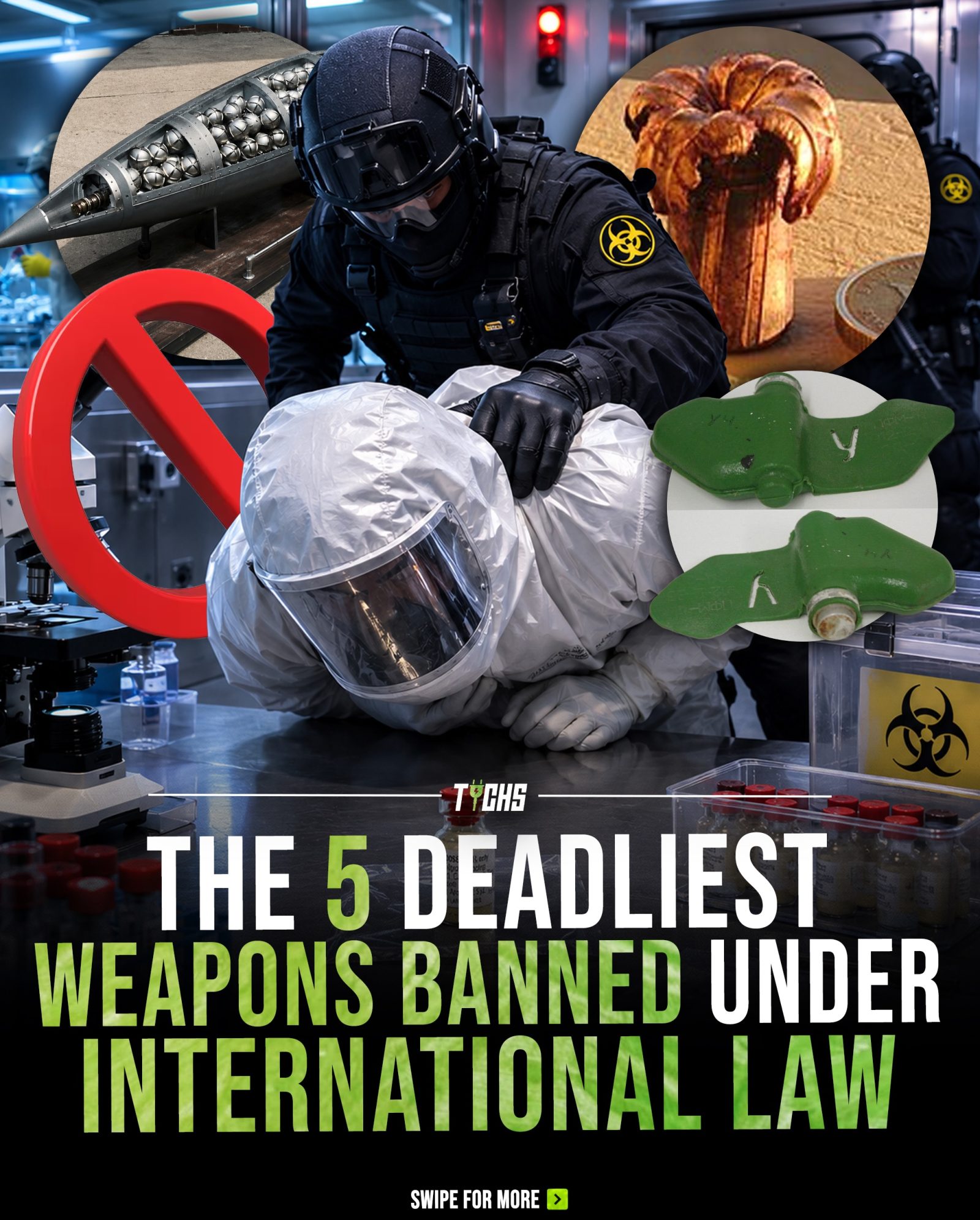
The Deadliest Banned Weapons: A Look at International Law and Warfare
International law has set strict prohibitions on certain types of weaponry due to the severe and lasting harm they inflict on civilians and the unnecessary suffering they cause during armed conflicts. These weapons, including butterfly landmines, cluster munitions, chemical weapons, expanding bullets, and biological weapons, are restricted or outright banned under various international treaties. These treaties aim to mitigate the humanitarian impact of war, protect civilians, and reduce the long-term consequences of armed conflict. The bans on these weapons reflect a global effort to limit the brutality of war and prioritize civilian safety.
Why This Matters
Understanding which weapons are banned under international law is crucial. It sheds light on the evolution of conflicts and the efforts made to mitigate their devastating effects. By examining these weapons and the treaties that prohibit them, we gain insights into the global effort to regulate warfare and protect civilian populations.
Main Discussion
Cluster Munitions: Indiscriminate Warfare
Cluster munitions are among the most controversial and banned weaponry. These devices scatter smaller bomblets over a large area, increasing the likelihood of collateral damage and long-term harm to civilians. The indiscriminate nature of cluster munitions means they can strike both military targets and civilian populations, causing widespread devastation. The use of cluster munitions has been linked to numerous civilian casualties, including children who mistake unexploded bomblets for toys. The human cost of these weapons led to international treaties like the Convention on Cluster Munitions, which prohibits their use, production, and transfer.
Expanding Bullets
Expanding bullets, also known as dum-dum bullets, are designed to cause maximum damage upon impact. These bullets expand or deform upon hitting their target, creating larger wounds and causing more suffering. The indiscriminate and excessive harm inflicted by these bullets makes them a highly controversial weapon. International treaties, such as the 1899 Hague Declaration, restrict the use of expanding bullets in warfare, reflecting a global consensus that such weapons are inhuman and unnecessary.
Chemical Weapons
Chemical weapons are designed to cause death, injury, or incapacitation through the use of toxic chemicals. These weapons pose a significant threat to both military personnel and civilian populations, as they can be deployed in various forms and disperse over large areas. The horrific effects of chemical weapons, such as asphyxiation, blistering, and organ failure, have led to widespread condemnation and prohibitions through treaties like the Chemical Weapons Convention. This convention prohibits the development, production, stockpiling, and use of chemical weapons, aiming to eliminate them entirely.
Biological Weapons
Biological weapons use disease-causing agents, such as bacteria, viruses, and toxins, to inflict harm on populations. These weapons are particularly insidious because they can spread uncontrollably, affecting not only the target population but also the broader community. The use of biological weapons was outlawed by the Biological Weapons Convention, which prohibits the development, production, and stockpiling of such weapons with the aim of preventing their use in warfare. Despite these prohibitions, the threat of biological weapons remains a pressing concern in an era of emerging infectious diseases and biotechnology advancements.
Butterfly Landmines
Butterfly landmines, also known as plunger mines, are designed to resemble toys, often in the shape of a colorful butterfly. These mines are particularly dangerous because they catch the attention of children, leading to devastating injuries and fatalities. The indiscriminate and prolonged use of these mines has led to severe and lasting harm to civilian populations, particularly in regions affected by prolonged conflicts. The Mine Ban Treaty, also known as the Ottawa Treaty, prohibits the use, production, stockpiling, and transfer of antipersonnel mines, including butterfly landmines, to protect civilians from these hazards.
Biological Weapons
Biological weapons use disease-causing agents, such as bacteria, viruses, and toxins, to inflict harm on populations. These weapons are particularly insidious because they can spread uncontrollably, affecting not only the target population but also the broader community. The use of biological weapons was outlawed by the Biological Weapons Convention, which prohibits the development, production, and stockpiling of such weapons with the aim of preventing their use in warfare. Despite these prohibitions, the threat of biological weapons remains a pressing concern in an era of emerging infectious diseases and biotechnology advancements.
Practical Tips
To stay informed about the global efforts to ban and control dangerous weapons, consider following organizations and initiatives dedicated to this cause. Engage with non-governmental organizations and advocacy groups that work tirelessly to promote disarmament and protect civilian populations from the devastating effects of warfare.
Important Takeaways
The weapons banned under international law represent the most inhumane and destructive methods of warfare. These bans are crucial in mitigating the humanitarian impact of armed conflicts and prioritizing the protection of civilian populations.
- Cluster Munitions are banned due to their indiscriminate and long-lasting impact on civilians.
- Expanding Bullets are restricted because of the excessive harm they cause.
- Chemical Weapons are prohibited due to their widespread and horrifying effects.
- Biological Weapons are outlawed to prevent the uncontrollable spread of disease.
- Butterfly Landmines are banned to protect children and civilians from these deadly traps.
Conclusion
The prohibitions on these weapons reflect a global consensus that certain methods of warfare are inhumane and unacceptable. By understanding the reasons behind these bans and the efforts to enforce them, we can better appreciate the complexities of international law and its role in mitigating the devastating consequences of armed conflicts. Stay informed, stay engaged, and support the efforts to create a safer, more peaceful world.
Watch the Reel
Questions readers ask
Which weapons are specifically banned or restricted by international law to protect civilians in war?
International law restricts or prohibits weapons such as butterfly landmines, cluster munitions, chemical weapons, expanding bullets, and biological weapons. These weapons are known for causing severe, lasting harm and were banned to mitigate humanitarian impact and protect civilians from unnecessary suffering.
Why are cluster munitions considered one of the deadliest weapons in war?
Cluster munitions are considered particularly deadly because they release multiple smaller submunitions over a wide area, often failing to explode immediately, leaving behind dangerous unexploded ordnance that can harm civilians long after the conflict has ended. This makes them a significant threat to civilian safety.
What are expanding bullets and why is their use banned under international law?
Expanding bullets, also known as dum-dum bullets, are designed to mushroom or flatten upon impact, causing severe tissue damage. Their use is banned under international law due to the excessive suffering they cause, which is deemed unnecessary and inhumane.
Which treaties and agreements are in place to enforce the bans on chemical and biological weapons?
The Chemical Weapons Convention (CWC) and the Biological Weapons Convention (BWC) are key international treaties that prohibit the development, production, stockpiling, and use of chemical and biological weapons. These treaties aim to eliminate existing stockpiles and prevent the proliferation of these deadly agents.
How do bans on specific weapons help to mitigate the long-term effects of war?
By prohibiting weapons that cause long-term harm, such as unexploded ordnance or chemical contamination, these bans help reduce the long-term impact on civilian populations. They also limit the environmental damage and health risks associated with certain types of weapons, promoting post-conflict recovery and stability.
Recent articles
Fresh deep dives from the latest Reels we unpacked.




Comments
Be the first to comment.