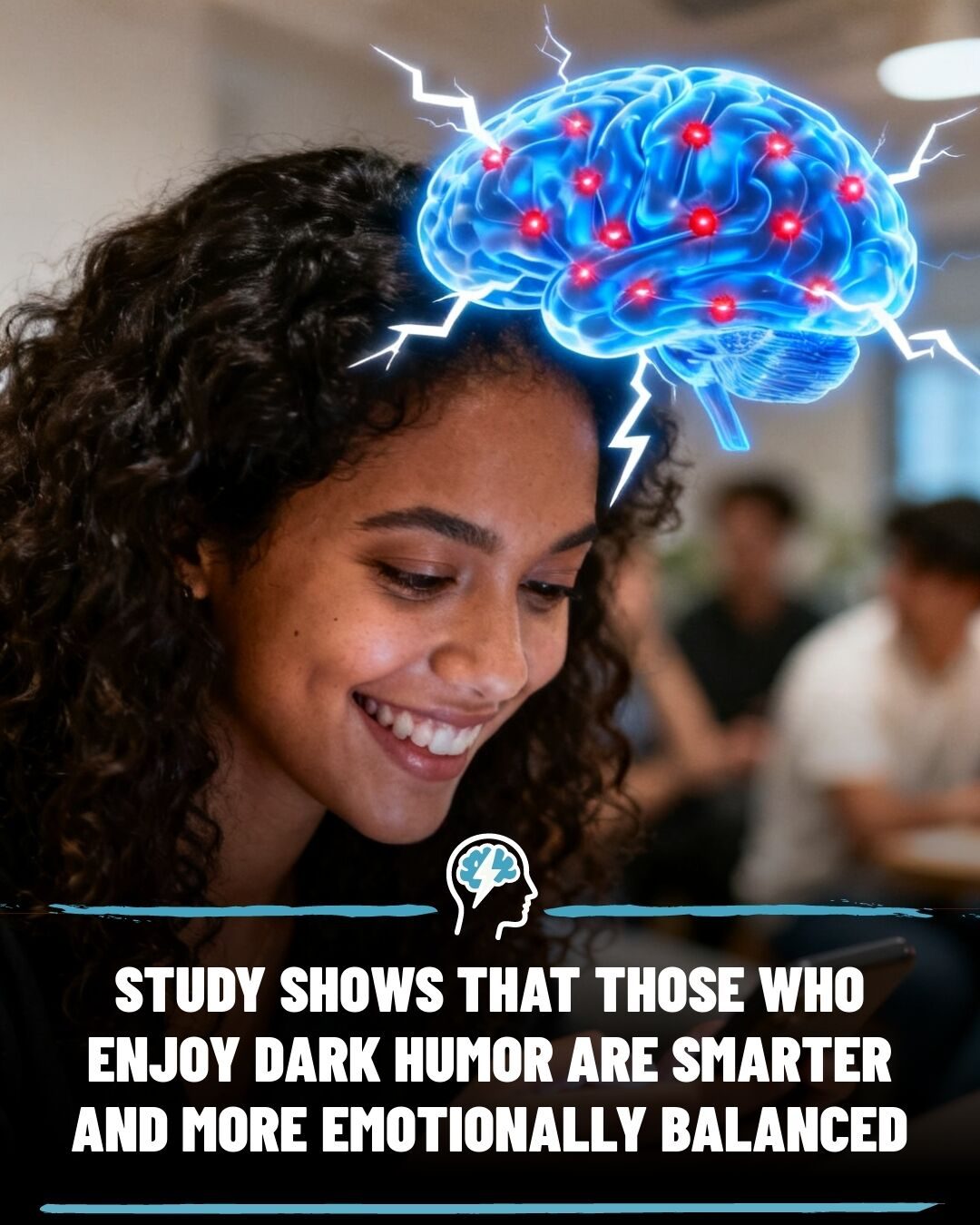
Dark Humor: Your Brain Might Be Working Overtime
Dark humor, also known as morbid comedy, is a unique form of comedy that often deals with taboo subjects, such as death, violence, and controversy. While it may not be everyone's cup of tea, it turns out that liking dark humor might indicate something significant about your cognitive abilities.
Why this matters
If you're a fan of dark humor, you might be tapping into some sophisticated cognitive processes. A study from the Medical University of Vienna found that individuals who enjoy morbid comedy tend to score higher on verbal and nonverbal intelligence tests. This suggests that appreciating dark humor might be linked to advanced cognitive skills.
How Dark Humor Works
Getting a dark joke often involves two mental processes: frame-shifting and conceptual blending. Frame-shifting is the ability to quickly switch between different meanings or perspectives. Conceptual blending, on the other hand, involves combining two or more ideas in a novel way. Both processes are cognitively demanding and require a high level of mental agility. This constant mental juggling is what makes understanding dark humor so challenging and why it might be linked to higher intelligence.
Not Everyone Is On Board
While the study from the Medical University of Vienna sheds light on the potential cognitive benefits of dark humor, it's important to note that not all forms of dark humor are created equal. Some styles, such as heavy cynicism and biting irony, have been linked to higher levels of anxiety and stress. Conversely, lighter, more benevolent forms of dark humor can be more protective and less likely to cause emotional distress.
Emotional Balance
The study also hints at the idea that people who enjoy dark humor might be more emotionally balanced. However, this claim should be taken with a grain of salt. Other research suggests that certain types of dark humor might actually be associated with increased emotional instability. The context, content, and individual differences in how people experience and express dark humor all play a crucial role.
Intelligence is Complex
It's essential to understand that intelligence is a multifaceted concept. Enjoying dark humor is just one small piece of the puzzle. It doesn't automatically mean you're more intelligent or emotionally stable. Similarly, not enjoying dark humor doesn't imply you're less intelligent. Humor is deeply personal, and what one person finds funny might not resonate with another.
Context and Individual Differences
The type of dark humor, the context in which it's experienced, and individual differences all play a role in how dark humor affects the brain. For instance, a joke told in a lighthearted manner might be more likely to evoke positive emotions, while the same joke told in a more serious context might cause discomfort or stress.
Practical Tips
Embrace Your Sense of Humor
If you find that your sense of humor leans towards the darker side, it's okay. Your brain might be working overtime to find the funny in situations where others don't. Embrace your unique perspective and don't be afraid to share your humor with like-minded individuals.
Be Mindful of Context
When sharing dark humor, be mindful of the context and the audience. What might seem like a harmless joke to you could be deeply upsetting to someone else. Always consider the feelings and sensitivities of those around you.
Explore Different Styles
If you're curious about dark humor but feel unsure where to start, consider exploring different styles. From lighthearted satire to more provocative content, there's a wide range of options available. Experiment with various types to see what resonates with you.
Important Takeaways
- Enjoying dark humor can be linked to advanced cognitive skills, such as frame-shifting and conceptual blending.
- Not all forms of dark humor are equal; some might be more protective, while others can be linked to higher levels of anxiety and stress.
- Intelligence is complex, and enjoying dark humor doesn't automatically make you more intelligent or emotionally stable.
- Context, content, and individual differences all play a role in how dark humor affects the brain.
Important Considerations
It's crucial to remember that humor is deeply personal. What one person finds funny might not resonate with another. Always be respectful of others' feelings and boundaries, and don't force morbid laughs to boost IQ. Dark humor can be a fascinating and enjoyable aspect of life, but it's important to approach it with care and understanding.
Conclusion
Dark humor can be a fascinating window into the workings of the human brain. Whether you're a longtime fan or new to the world of morbid comedy, exploring this unique form of humor can be a rewarding and insightful experience. Just remember to approach it with care, and always be mindful of the context and the audience.
Watch the Reel
Questions readers ask
What exactly is dark humor and what makes it different from other types of comedy?
Dark humor, also known as morbid comedy, is a form of comedy that explores taboo subjects such as death, violence, and controversial topics. It differs from other types of comedy in its content and the cognitive processes it engages, often requiring a more advanced understanding of context and societal norms.
What does enjoying dark humor say about a person's intelligence?
Studies, such as one conducted by the Medical University of Vienna, suggest that individuals who appreciate dark humor tend to perform better on verbal and non-verbal intelligence tests. This indicates that enjoying morbid comedy might be associated with advanced cognitive skills and mental agility.
Are there specific cognitive benefits to appreciating dark humor?
Appreciating dark humor can signal a sophisticated mental process, including the ability to handle abstract thoughts and complex social cues. This form of humor requires a nuanced understanding of societal norms and the ability to process disturbing content, which may lead to enhanced problem-solving, creativity, and critical thinking.
What are the psychological implications of enjoying dark humor?
Enjoying dark humor can be an adaptive coping mechanism for some people, helping them manage stress or traumatic experiences by finding humor in difficult situations. It may also indicate a high level of emotional resilience, allowing individuals to confront taboo subjects in a non-threatening way. It is important to note, however, that a preference for morbid comedy does not necessarily indicate underlying psychological issues.
Do studies consistently support the link between dark humor and intelligence?
Multiple studies, including research from the Medical University of Vienna, have found positive correlations between an appreciation for dark humor and high scores on intelligence tests. However, the field is still growing, and while the findings are intriguing, they should be considered part of a broader understanding of human cognition.
How does the brain process dark humor differently from other types of humor?
Processing dark humor often involves two key mental processes: understanding the humorous intent behind the taboo subject and managing the emotional response to its disturbing content. For many, it requires a more sophisticated and nuanced understanding of societal norms, abstract concepts, and cognitive flexibility.
Related deep dives
Similar reads based on topic and creator.




Recent articles
Fresh deep dives from the latest Reels we unpacked.




Comments
Be the first to comment.