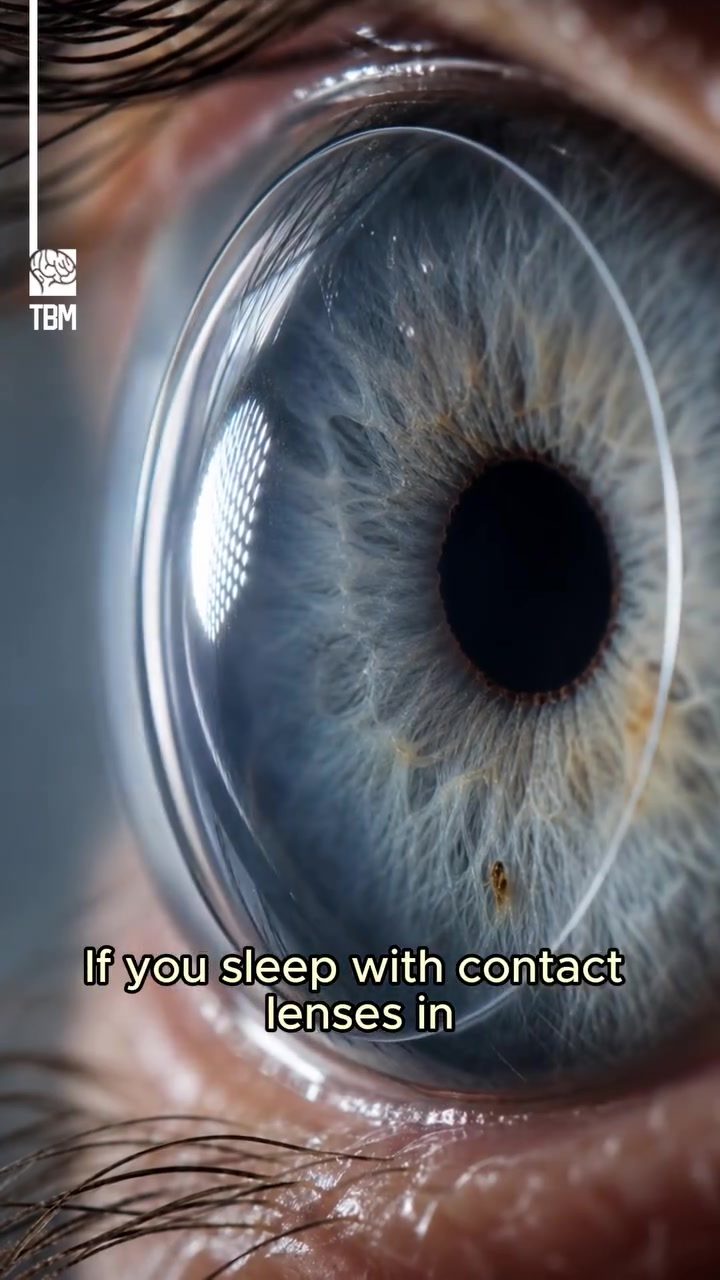
Sleeping in Contact Lenses
Sleeping with contact lenses can lead to serious eye complications. Understanding the risks involved is crucial for maintaining good eye health.
Why This Matters
Contact lenses are a convenient way to correct vision, but they require careful handling and proper care. One of the most common mistakes people make is sleeping with their contact lenses in. This practice can have severe consequences, including reduced oxygen flow to the cornea, increased risk of infections, and even permanent damage.
Main Discussion
Oxygen Deprivation
The cornea, the transparent front part of the eye, relies on oxygen from the air to maintain its health. Unlike other parts of the body, the cornea has no blood vessels. Therefore, it gets its oxygen directly from the atmosphere. When you wear contact lenses, especially during sleep, the lens can restrict the amount of oxygen reaching the cornea.
When your eyelids close, the oxygen supply to the cornea is further reduced. This can cause the cornea to swell, become dry, and weaken its natural defenses. Over time, this deprivation can lead to potentially blinding conditions, such as corneal ulcers.
Increased Risk of Infections
Contact lenses can trap moisture and bacteria under the lens, especially when worn continuously, as during sleep. This creates an ideal environment for bacteria to thrive, leading to painful infections. Conditions like bacterial keratitis, a severe eye infection, can result in permanent scarring and even vision loss if left untreated.
Prominent Blood Vessels
One of the visible signs of oxygen deprivation in the cornea is the appearance of blood vessels. In a healthy eye, the cornea is avascular, meaning it has no blood vessels. However, when the cornea is deprived of oxygen, it triggers a response where blood vessels try to grow into the cornea to compensate for the lack of oxygen. This condition, known as neovascularization, is a clear indication of corneal distress and can lead to further complications.
Risk of Ulcers and Permanent Scarring
Sleeping with contact lenses also increases the risk of corneal ulcers, which are open sores on the cornea. These ulcers can be extremely painful and often require medical intervention. If not treated promptly, they can lead to permanent scarring, which can impair vision.
Weakened Natural Defenses
The cornea has a natural protective layer that helps defend against infections and other harmful elements. When the cornea is deprived of oxygen, this defensive layer weakens, making the eye more susceptible to infections and other complications. This increased vulnerability can lead to long-term damage and potential vision loss.
Practical Tips
Remove Lenses Before Sleep
One of the simplest ways to avoid the risks associated with sleeping in contact lenses is to remove them before going to bed. This allows the cornea to breathe and regain its natural oxygen supply. Daily disposable contact lenses are a good option for those who find it difficult to keep up with a regular cleaning routine.
Follow Proper Hygiene
Maintain good contact lens hygiene practices. Always wash your hands before handling your lenses, and avoid touching the lenses with dirty hands. Follow the recommended cleaning and storage procedures for your specific type of contact lenses.
Use Recommended Solutions
Use the recommended contact lens solutions for cleaning and storing your lenses. Some solutions are designed to disinfect and clean the lenses, while others may be used for overnight storage. Be sure to follow the instructions provided by your eye care professional.
Regular Eye Check-ups
Regular eye check-ups are essential for maintaining good eye health. Schedule routine appointments with your eye care provider to monitor your eye health and address any potential issues early.
Consider Alternatives
For those who frequently have trouble remembering to remove their contact lenses at night, consider switching to daily disposable lenses or exploring other vision correction options, such as glasses or refractive surgery.
Important Takeaways
Sleeping with contact lenses can have serious long-term effects on your eye health. Always prioritize your eye health by ensuring proper oxygen supply, keeping your lenses clean, and adhering to a regular schedule of check-ups. If you experience any discomfort or changes in vision, consult your eye care provider immediately.
Conclusion
Protecting your eye health is essential for maintaining overall well-being. Sleeping with contact lenses can lead to severe eye problems, including infections, ulcers, and permanent damage. By removing your lenses before bed, following good hygiene practices, and regularly consulting with your eye care professional, you can significantly reduce these risks.
Watch the Reel
Questions readers ask
Is it safe to sleep in contact lenses occasionally?
Sleeping in contact lenses, even occasionally, can be harmful. It can lead to oxygen deprivation in the cornea, which may cause infections and other complications. It's best to avoid this practice altogether.
What are corneal ulcers and how are they related to sleeping in contact lenses?
Corneal ulcers are open sores on the cornea, often caused by infections. Sleeping in contact lenses increases the risk of these ulcers by promoting bacterial growth and reducing oxygen flow to the cornea.
Can sleeping in contact lenses cause permanent eye damage?
Yes, sleeping in contact lenses can lead to permanent eye damage. Prolonged oxygen deprivation can cause neovascularization, where new blood vessels grow into the cornea, potentially leading to permanent vision loss.
What are the signs of an eye infection related to contact lenses?
Signs of a lens-related eye infection include eye redness, pain, discharge, blurred vision, and increased light sensitivity. If you experience these symptoms, remove your lenses immediately and consult an eye care professional.
How does oxygen deprivation affect the cornea when sleeping in contact lenses?
The cornea requires a constant supply of oxygen to stay healthy. When you sleep in contact lenses, the lenses can block this oxygen flow, leading to swelling, inflammation, and an increased risk of infections and other complications.
What are some safe alternatives to sleeping in contact lenses?
To maintain good eye health, consider daily disposable lenses and remove them before going to sleep. You can also explore other vision correction options, such as glasses or refractive surgery, to avoid the risks associated with overnight lens wear.
How does bacteria grow in contact lenses when you sleep with them on?
Sleeping in contact lenses creates a warm, moist environment ideal for bacterial growth. The bacteria can then accumulate on the lenses and potentially cause infections, leading to serious eye health issues.
Related deep dives
Similar reads based on topic and creator.

Recent articles
Fresh deep dives from the latest Reels we unpacked.




Comments
Be the first to comment.