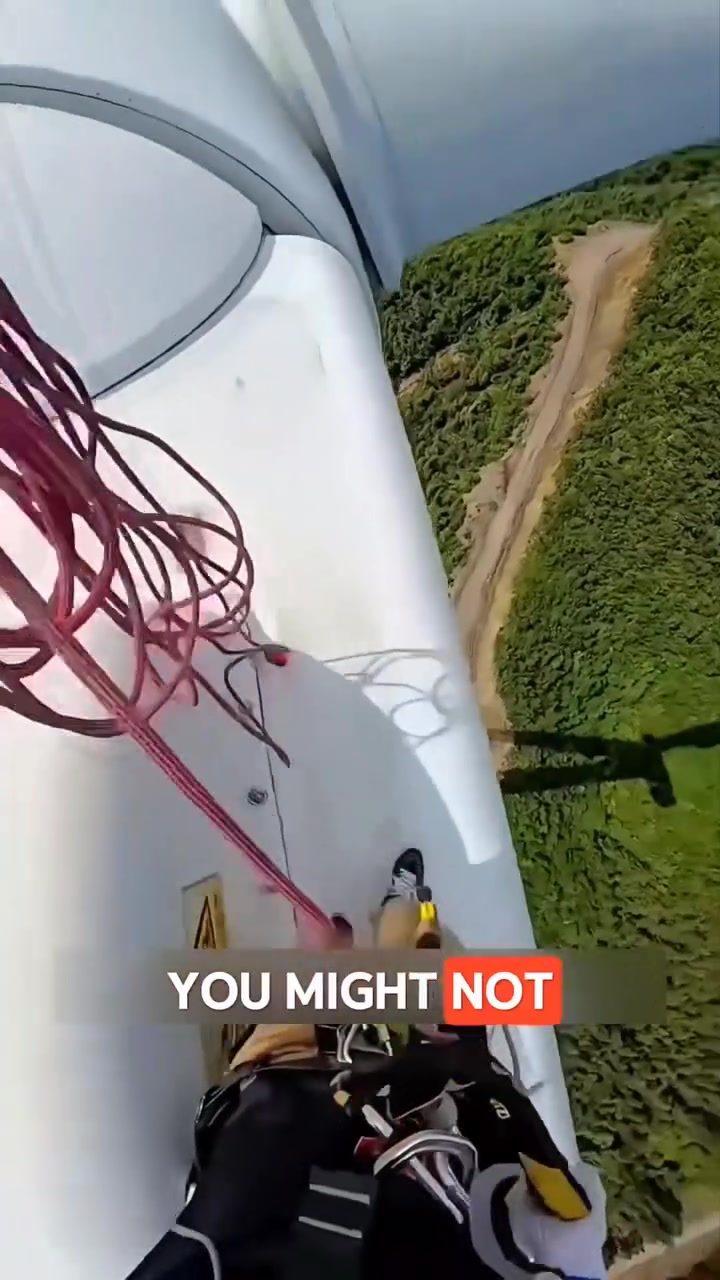
High-Altitude Work: The Perils and Rewards of Extreme Heights
Wind turbine maintenance engineers face a unique challenge: their workplace is 122 meters above the ground, roughly the height of a 40-story building. This job, while lucrative with a monthly salary of $10,000, is notoriously dangerous and often refused by many. The journey to the top involves wearing heavy safety gear and climbing through a narrow metal shaft. The elevator, moving at a crawling 0.4 meters per second, offers a hot, cramped, and uncomfortable ride. But the real work begins once they reach the top, where they navigate a labyrinth of gears, brakes, and electrical equipment. Their tasks include inspecting sensors, tightening bolts, and ensuring the system runs smoothly. It's a demanding job, but essential for maintaining the functionality of wind turbines.
Why This Matters
High-altitude work is critical for the maintenance of wind turbines, which are a vital component of renewable energy infrastructure. These turbines generate clean, sustainable power, but their remote and elevated locations pose significant challenges for maintenance workers. Understanding the intricacies of this job provides insights into the dedication and risks taken by those who keep our energy systems running.
Challenges of High-Altitude Work
The Rigeous Journey to the Top
For wind turbine maintenance engineers, the journey to the workplace itself is an ordeal. Climbing through narrow metal shafts and navigating a slow-moving elevator that provides little comfort is just the beginning. The workplace, packed with intricate machinery, demands constant vigilance and precise work. Engineers must inspect sensors, tighten bolts, and ensure electrical equipment operates smoothly. The equipment includes an array of gears, brakes, and electronics, all of which require meticulous care to keep the turbine running efficiently.
The High-Risk Environment
Working at extreme heights poses significant risks. The environment is often unpredictable, with strong winds, extreme temperatures, and limited access to emergency services. The safety gear, while essential, adds weight and bulk, making movements more difficult. The confined spaces and the constant hum of machinery can create a disorienting atmosphere, requiring engineers to remain focused and alert.
Mental and Physical Stamina
The job demands both mental and physical stamina. Engineers must be in peak physical condition to withstand the rigors of climbing and working in confined spaces. The mental strain of maintaining focus in a hazardous environment adds another layer of challenge. Despite these risks, the job is crucial for the smooth operation of wind turbines, which generate significant amounts of renewable energy.
The Role of Helicopters in High-Altitude Work
Helicopters play a vital role in high-altitude work, particularly in the maintenance of power lines and turbines. Suspended from a helicopter, workers can access hard-to-reach areas, performing inspections and repairs with precision. This method allows for efficient and timely maintenance, minimizing downtime and ensuring the continuous operation of essential infrastructure.
Safety is paramount when using helicopters for high-altitude work. Workers must undergo rigorous training and adhere to strict safety protocols. The equipment, including safety harnesses and communication devices, must be in top condition to ensure the worker's safety. The view from the helicopter, showcasing the height and the equipment being used, provides a unique perspective on the challenges and risks involved.
Practical Tips for High-Altitude Workers
Proper Training and Equipment
High-altitude work requires specialized training and equipment. Workers must be trained in safety procedures, including the use of safety harnesses, communication devices, and emergency protocols. Proper equipment ensures that workers can perform their tasks efficiently and safely, even in the most challenging conditions.
Mental Preparation
The mental aspect of high-altitude work is as important as the physical. Workers must be mentally prepared to handle the isolation, physical demands, and potential dangers. Techniques such as mindfulness, visualization, and stress management can help workers stay focused and calm under pressure.
Physical Fitness
Maintaining physical fitness is crucial for high-altitude work. Regular exercise, a balanced diet, and adequate rest can help workers stay in top physical condition. This ensures they can handle the physical demands of the job, including climbing, lifting heavy equipment, and working in confined spaces.
Important Takeaways
Understanding the Risks
Understanding the risks involved in high-altitude work is essential for anyone considering this career path. The dangers are real, but so are the rewards. The job offers a competitive salary and the satisfaction of contributing to the maintenance of vital infrastructure. The risks are mitigated through rigorous training, proper equipment, and adherence to safety protocols.
The Role of High-Altitude Work in Renewable Energy
High-altitude work plays a crucial role in the maintenance of wind turbines, which are a vital component of renewable energy infrastructure. This work ensures that wind turbines operate efficiently, generating clean, sustainable power. The challenges faced by these workers highlight the importance of their role in maintaining the functionality of renewable energy systems.
Conclusion
High-altitude work, particularly in the maintenance of wind turbines, is a demanding and dangerous job. It requires specialized training, proper equipment, and mental and physical stamina. Despite the risks, the job is essential for maintaining the functionality of wind turbines, which generate significant amounts of renewable energy. The journey to the top, the risks involved, and the rewards make this a unique and critical profession. For those willing to take on the challenge, the job offers a competitive salary and the satisfaction of contributing to a sustainable future.
Watch the Reel
Questions readers ask
What are the main risks associated with wind turbine maintenance jobs?
The primary risks include working at extreme heights, navigating through narrow and confined spaces, and handling heavy machinery and equipment. Additionally, engineers must endure uncomfortable conditions and maintain a high level of precision and vigilance while performing tasks.
What is the average salary for a wind turbine maintenance engineer?
Wind turbine maintenance engineers can expect a lucrative salary, with a monthly average of around $10,000. This high pay is due to the demanding and dangerous nature of the job, which requires specialized skills and a willingness to work in challenging conditions.
How do wind turbine maintenance engineers reach the top of the turbine?
To reach the top of a wind turbine, engineers must climb through a narrow metal shaft, often while wearing heavy safety gear. Alternatively, they take a slow-moving elevator that travels at 0.4 meters per second, which can be a hot and cramped experience. Once at the top, they navigate through a complex system of gears, brakes, and electrical equipment.
What tasks do wind turbine maintenance engineers perform at the top of the turbine?
Once at the top, engineers perform a variety of tasks, including inspecting sensors, tightening bolts, and ensuring that the entire system is running smoothly. They must navigate through a labyrinth of machinery, maintaining a high level of precision and attention to detail.
Why is precision crucial in wind turbine maintenance?
Precision is vital in wind turbine maintenance because even small errors or oversights can lead to significant safety risks or equipment failures. Engineers must ensure that every component is functioning correctly and that the entire system is safe and efficient.
What are some of the challenges of working in a remote wind turbine environment?
Working in a remote wind turbine environment presents several challenges, including limited access to immediate support, harsh weather conditions, and the isolation that comes with being high above the ground. Engineers must be self-reliant and prepared to handle emergencies independently.
Recent articles
Fresh deep dives from the latest Reels we unpacked.




Comments
Be the first to comment.