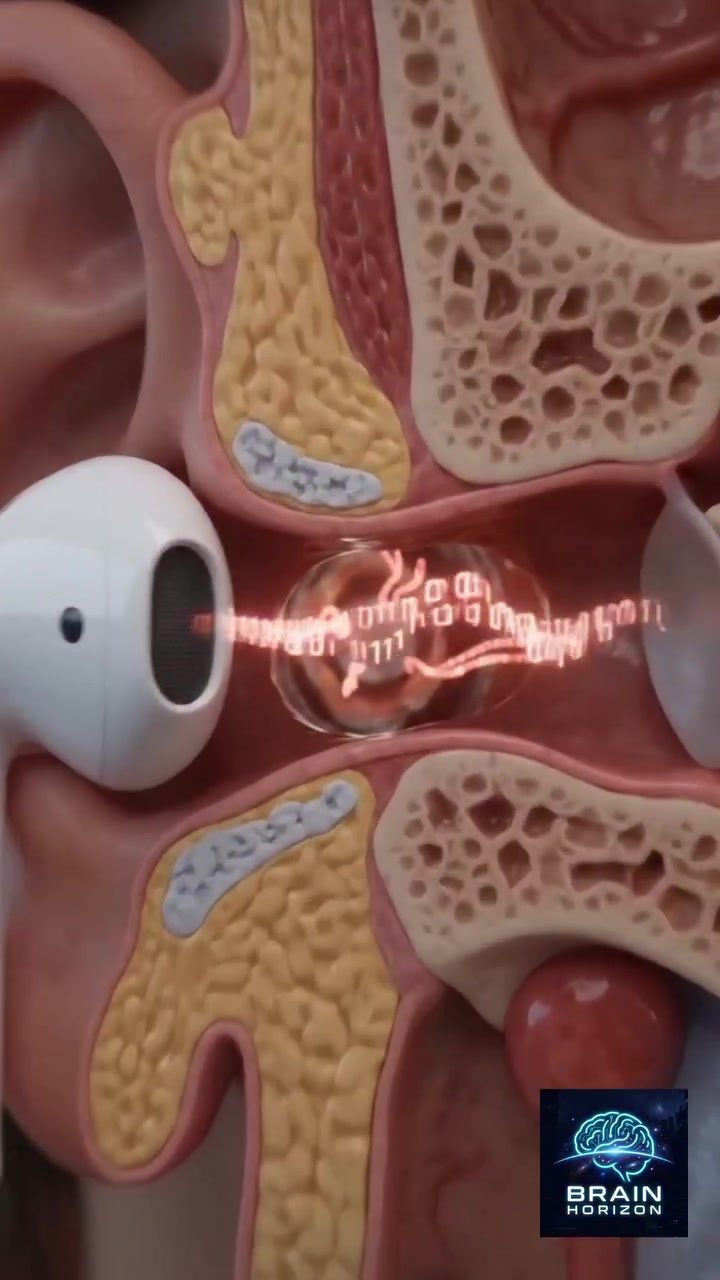
Why Loud Earbuds are Harmful to Your Hearing
Listening to music through earbuds is a common daily activity, but high volume settings can cause severe and lasting damage to your hearing. Earbuds, when used at maximum volume, produce intense sound waves that stimulate the delicate structures within the inner ear. These structures are crucial for converting sound vibrations into signals that the brain can interpret. The primary concern is the impact on the microscopic hair cells in the cochlea.
The Role of Inner Ear Hair Cells
The inner ear is home to highly specialized hair cells, also known as stereocilia, that play a pivotal role in the hearing process. These hair cells are essential for detecting sound waves and converting them into electrical signals that the brain can interpret as sound. They are extremely sensitive, and their proper functioning relies on careful maintenance.
How Loud Music Affects Hair Cells
Listening to loud music causes excessive vibration of these hair cells, leading to intense mechanical stress. Over time, the mechanical stress can result in the breakdown and destruction of these hair cells. The most significant consequence of this damage is that these cells cannot regenerate, resulting in permanent hearing loss.
Understanding Permanent Damage
Unlike many other cells in the body, the hair cells in the inner ear cannot regrow. Once destroyed, the damage is irreversible. This means that every time you listen to music at high volumes through earbuds, you are potentially causing permanent damage to your hearing. The cumulative effect of this damage over time can lead to significant hearing loss, making it difficult to hear even soft sounds.
Tinnitus and Its Impact
Prolonged exposure to loud noise can also lead to tinnitus, a condition characterized by a constant ringing, buzzing, or hissing in the ears. Tinnitus can be extremely frustrating and can interfere with daily activities, including sleep and concentration. It is often a side effect of noise-induced hearing loss and can be a lifelong condition.
Protecting Your Hearing
Taking care of your hearing is crucial, and there are several practical steps you can take to protect your ears:
Monitor Volume Levels
Always keep the volume at a safe, moderate level. As a general guideline, if someone standing nearby can hear your music, it's likely too loud. Volume levels above 85 decibels can be hazardous to your hearing if exposed over time. The maximum safe listening time decreases as the volume increases.
Take Regular Listening Breaks
If you need to listen at higher volumes, take regular breaks to allow your ears to rest. A good rule of thumb is to take a 5-minute break for every 30 minutes of music.
Invest in High-Quality Earbuds
Using earbuds with noise-canceling technology can help reduce the need to turn up the volume. These earbuds block out external noise, allowing you to enjoy your music at safer levels.
Regular Hearing Check-Ups
Regularly visit a hearing specialist for check-ups, especially if you frequently use earbuds. Early detection of hearing loss can prevent further damage and allow for timely intervention.
Important Takeaways
The key to maintaining healthy hearing is awareness and prevention. By understanding the risks and taking proactive measures, you can protect your hearing from the harmful effects of loud music. These steps include monitoring volume levels, taking regular breaks, and using high-quality earbuds. Additionally, regular check-ups with a hearing specialist can help in early detection and management of hearing loss.
Conclusion
The delicate structures in the inner ear, particularly the hair cells, are vulnerable to damage from loud noises, including music played through earbuds. The inability of these cells to regenerate means that any damage is permanent. Protect your hearing by keeping the volume at a safe level, taking regular breaks, and seeking professional help if necessary. By adopting these practices, you can enjoy your music while preserving your hearing health.
Watch the Reel
Questions readers ask
How does listening to loud earbuds affect inner ear hair cells?
Loud earbuds generate intense sound waves that can cause the delicate hair cells in the cochlea to break down, leading to permanent damage and hearing loss. These hair cells are essential for converting sound vibrations into signals that the brain can understand. When they are damaged, the hearing loss can be permanent. When important auditory signals are lost, it can result in permanent hearing loss.
What volume level is considered safe for earbud usage?
To protect your hearing, it's recommended to keep the volume level below 85 decibels. A good rule of thumb is to follow the 60/60 rule: listen at no more than 60% of the maximum volume for no more than 60 minutes at a time. Additionally, taking regular breaks from listening can help prevent long-term damage.
Can using loud earbuds cause tinnitus?
Yes, exposure to high volumes through earbuds can lead to tinnitus, a condition characterized by ringing, buzzing, or other noises in the ears. This is due to the damage loud earbuds cause to the inner ear hair cells, which can result in persistent or intermittent noise. Tinnitus can be a temporary or permanent problem.
What are some safe listening habits to protect your ears?
To protect your hearing, use the lowest volume necessary to hear your audio clearly and take frequent breaks from listening. Consider using noise-canceling earbuds to reduce the need for high volumes in noisy environments. Regularly clean your earbuds to prevent earwax buildup, which can affect sound quality and lead to turning up the volume.
Is it possible to repair damaged inner ear hair cells?
Unlike other cells in the body, hair cells in the inner ear do not regenerate. Once they are damaged, the hearing loss they cause is permanent. This is why it's crucial to protect your hearing by maintaining safe listening habits and avoiding prolonged exposure to loud noise.
How can I prevent hearing loss from earbud usage?
To prevent hearing loss, adhere to the 60/60 rule, use noise-canceling earbuds when necessary, and maintain a clean environment for your earbuds. Additionally, be aware of your surroundings and avoid turning up the volume to compensate for background noise, which can further damage your hearing.
What are the early signs of earbud hearing damage?
Early signs of earbud hearing damage include muffled hearing, difficulty understanding speech, and a persistent ringing or buzzing sound in the ears, also known as tinnitus. If you experience these symptoms, it's important to reduce your earbud usage and consult a healthcare professional if symptoms persist.
Related deep dives
Similar reads based on topic and creator.


Recent articles
Fresh deep dives from the latest Reels we unpacked.




Comments
Be the first to comment.