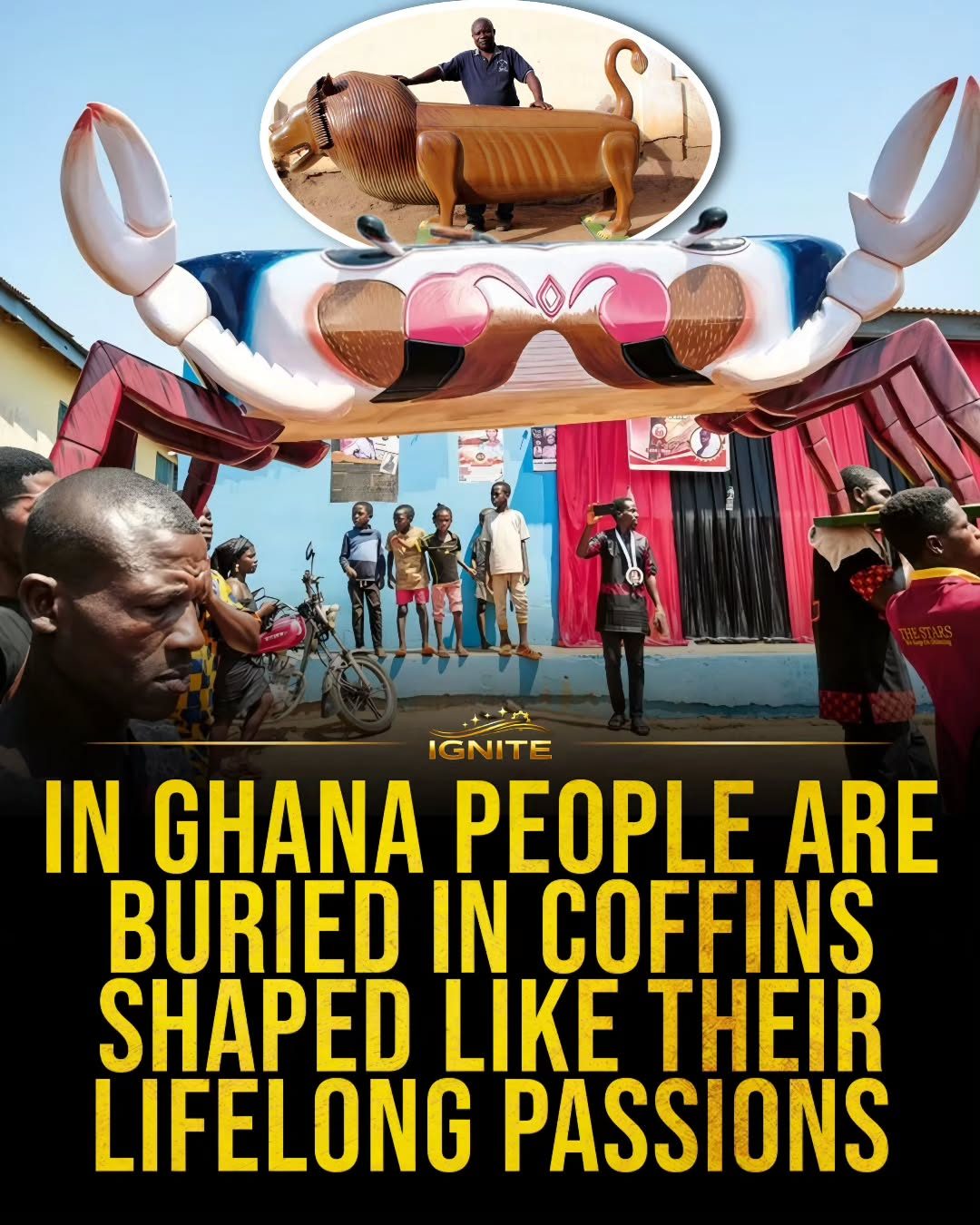
Ghanaian Custom Coffins: Art and Remembrance
Ghanaian custom coffins, often called "fantasy coffins" or "abebuado," are a unique cultural practice that combines art, remembrance, and personal expression. This tradition involves crafting coffins in shapes that represent the deceased's profession, passion, or significant life aspects. The practice is deeply rooted in Ghanaian culture, particularly among the Ga people.
Context / Why this matters
The tradition of custom coffins in Ghana is not just about burial; it is a form of artistic expression and a celebration of life. These coffins serve as a final tribute to the deceased, encapsulating their essence in a tangible, symbolic form. This practice has gained international attention for its unique blend of culture, art, and personal storytelling.
Main discussion
The Origins and Symbolism
The origins of Ghanaian custom coffins can be traced back to the early 1950s when a master carpenter, Seth Kane Kwei, began creating these unique coffins. Kane Kwei, who was the son of a traditional coffin maker, started this practice as a way to honor his father and his profession. The tradition has since evolved, becoming a significant part of Ghanaian culture. Kwein’s apprentices Ataa Oko and Panafie Panafie, have also carried on the tradition. The coffins are not just functional; they are a visual representation of the deceased's life. For example, a fisherman might be buried in a coffin shaped like a fish, while a teacher might be laid to rest in a coffin shaped like a book. This symbolism is a way to honor the deceased's life and contributions to society.
The Art of Crafting
Crafting a custom coffin is a meticulous process that involves a deep understanding of the deceased's life and the skills of the carpenter. The process begins with a consultation where the family discuss the deceased's life and decide on a shape that best represents them. The carpenter then uses this information to design and build the coffin.
The materials used in crafting these coffins vary but often include wood, which is locally sourced and provides durability and a natural aesthetic. The decorative elements, such as carvings and paintings, are added to enhance the visual appeal and symbolic meaning of the coffin.
The Cultural Significance
Beyond their artistic value, Ghanaian custom coffins hold profound cultural significance. They serve as a reminder of the deceased's life and achievements, providing a sense of comfort and closure to the family. The process of designing and creating the coffin also brings the community together, reinforcing social bonds and shared values.
Moreover, these coffins challenge conventional ideas about death and burial. They transform a somber event into a celebration of life, emphasizing the unique journey of each individual. In this way, Ghanaian custom coffins are a testament to the resilience and creativity of the human spirit.
The Evolution of the Tradition
Over the years, the tradition of Ghanaian custom coffins has evolved to incorporate modern elements while retaining its cultural authenticity. Today, you can find coffins in various shapes, including airplanes, cars, and even smartphones, reflecting the diverse interests and professions of the deceased. This evolution shows how the tradition adapts to changing times, making it relevant and meaningful to newer generations.
Practical tips
If you are interested in learning more about Ghanaian custom coffins, there are several ways to explore this fascinating tradition.
-
Visit Ghana: A trip to Ghana, particularly to the city of Accra, can provide a firsthand experience of this unique cultural practice. You can visit workshops and galleries where these coffins are displayed and crafted.
-
Talk to Locals: Engaging with locals, especially those involved in the creation of these coffins, can offer deeper insights into the tradition's significance and the craftsmanship involved.
Important takeaways
This tradition highlights the importance of remembrance and personal expression in Ghanaian culture. These coffins serve as a lasting tribute to the deceased, encapsulating their essence in a unique and meaningful way. The process of creating a custom coffin involves deep community engagement and artistic skill, making it a rich cultural practice. This tradition is a testament to the resilience and creativity of the human spirit, offering a unique perspective on death and burial.
Conclusion
Ghanaian custom coffins are a unique and meaningful way to honor the deceased, combining art, culture, and personal expression. This tradition serves as a poignant reminder of the importance of remembering and celebrating individual lives. Whether you are interested in art, culture, or personal storytelling, exploring the world of Ghanaian custom coffins offers a rich and rewarding experience.
Watch the Reel
Questions readers ask
What is the significance of the shapes used in Ghanaian custom coffins?
The shapes of Ghanaian custom coffins hold deep symbolic meaning, representing the deceased's profession, hobbies, or other significant aspects of their life. For instance, a coffin shaped like a fish might indicate that the person was a fisherman, while a coffin shaped like a car could signify a love for mechanics or driving. This symbolic representation is a key part of the remembrance process, offering a tangible way to honor the deceased's life and passions.
Who are the Ga people and what is their role in this tradition?
The Ga people are an ethnic group primarily located in the Greater Accra Region of Ghana. They are known for their vibrant culture and are deeply involved in the tradition of creating fantasy coffins. The practice of crafting abebuado coffins is most prevalent among the Ga, making them significant contributors to this unique customary process.
How are Ghanaian custom coffins made?
Ghanaian custom coffins are handcrafted by skilled artisans, typically using wood. The process begins with selecting an appropriate shape that reflects the deceased's life. The artisans then carve and shape the wood into intricate designs, often incorporating vibrant colors and personalized details, making each coffin a unique and meaningful piece of art.
Are Ghanaian custom coffins used for everyone in Ghana?
While fantasy coffins are a notable tradition, they are not universally used across all of Ghana. They are primarily associated with the Ga people and are more commonly found in specific regions, such as the Greater Accra Region. However, the practice has gained wider recognition and appreciation across Ghana and even internationally, leading to increased interest and adoption in other areas.
What role do coffin makers play in Ghanaian culture?
Ghanaian coffin makers, or artisans, hold a significant role in the community. They are not just craftsmen but cultural preservers and artists who help families honor their loved ones. Their work involves translating the essence of a person's life into a tangible, artistic form, making them respected figures in Ghanaian society.
Can non-Ghanaians commission or purchase a fantasy coffin?
Yes, non-Ghanaians can commission or purchase a fantasy coffin. As the tradition has gained international attention, artisans have started creating coffins for people outside of Ghana. Some artisans offer custom designs to suit the deceased's life and passions, making them available for anyone interested in this unique form of remembrance.
What are some of the most common shapes used in abebuado coffins?
Common shapes for abebuado coffins often reflect everyday objects, animals, and professions. Some of the most frequently seen shapes include fish for fishermen, cars for drivers, and airplanes for pilots. Other popular choices are animals like elephants, birds, or even food items like mangoes, and bicycles for cyclists. These shapes are chosen to mirror the deceased's life and passions.
Recent articles
Fresh deep dives from the latest Reels we unpacked.




Comments
Be the first to comment.