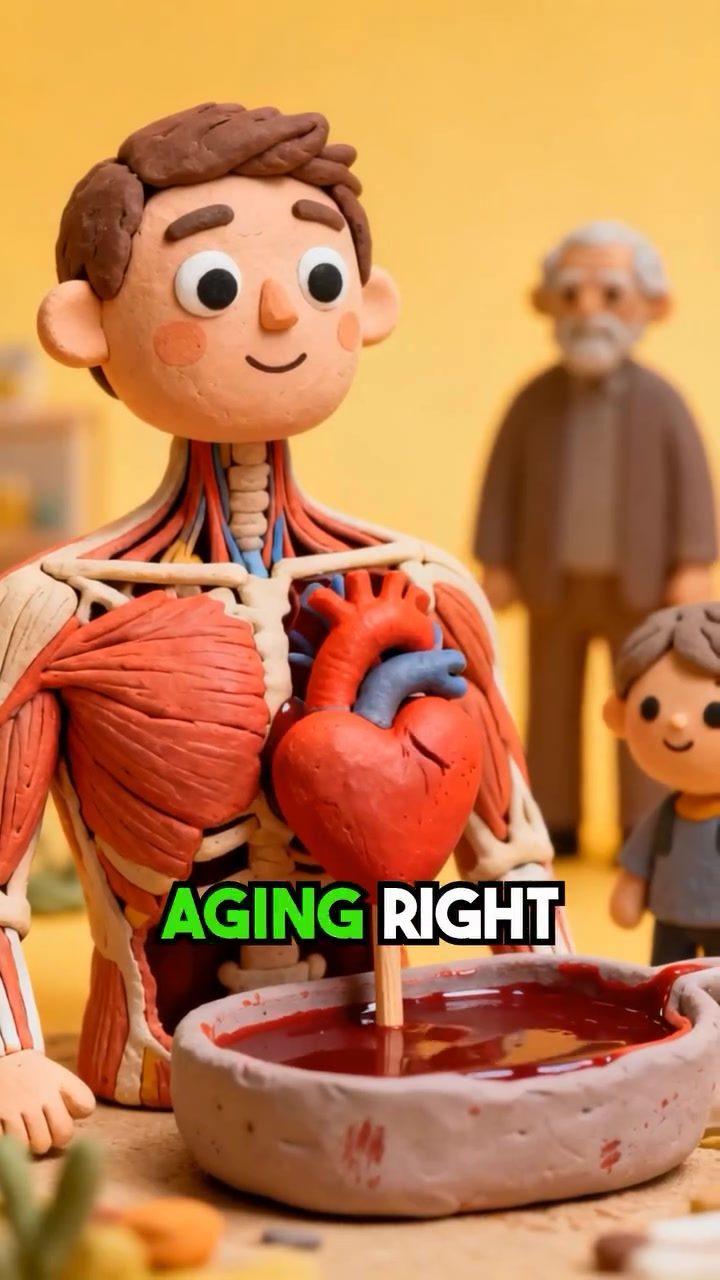
Heart Health Facts: The Importance of Exercise and Age
Your heart is a muscle that ages and changes over time. As it ages, the heart muscle stiffens, making it harder to fill with blood. This condition, known as heart failure, often starts decades before any symptoms appear. Understanding this process and the importance of exercise in maintaining heart health is crucial for everyone, especially as they age.
Why Heart Health Matters
Heart health is a key component of overall well-being, and the heart's ability to function efficiently is vital for a long and healthy life. The heart muscle's elasticity is a critical factor in how well it can pump blood throughout the body. As people age, the heart muscle can stiffen, leading to reduced efficiency and potential heart failure. This is why early intervention and prevention are so important.
The Science Behind Heart Aging and Exercise
Dr. Benjamin Levine, a renowned cardiologist at UT Southwestern, conducted a groundbreaking study involving 53 healthy but sedentary adults aged 45 to 64. The participants were divided into two groups: one engaged in structured exercise, and the other practiced yoga and balance exercises. Over two years, researchers measured the stiffness of the heart muscle using catheters inserted directly into the heart. The results were clear: the group that engaged in structured exercise had hearts that were more elastic compared to the group that did yoga and balance exercises.
The study's findings highlight the importance of structured exercise in maintaining heart health. While both groups saw improvements in fitness, only the structured exercise group showed significant improvements in heart elasticity. This suggests that the type of exercise matters greatly when it comes to heart health.
The Window of Opportunity
One of the most striking findings from Dr. Levine's study is the concept of a "training window." For adults under 65, structured exercise can significantly improve heart elasticity and reverse some of the damage caused by aging. However, for those over 65, while fitness can still improve, the heart muscle does not soften as effectively. This means that the most critical period for heart health intervention is before age 65.
The Levine Protocol, named after Dr. Levine, outlines a structured exercise routine that includes four to five days of activity per week. This routine consists of one hard interval workout, two to three easier cardio sessions totaling 150 to 180 minutes, and two strength training days. Adhering to this protocol can help reverse heart damage and improve overall heart health.
Practical Tips for Maintaining Heart Health
Start Early
The best time to start taking care of your heart is as early as possible. The earlier you begin a structured exercise routine, the more likely you are to reverse any damage and maintain heart elasticity.
Structured Exercise Routine
Incorporate a structured exercise routine into your weekly schedule. This should include a mix of hard interval exercises, moderate cardio, and strength training. The Levine Protocol is a great example of a balanced routine that can help maintain heart health.
Monitor Progress
Regular check-ups and heart health assessments can help you monitor your progress and make adjustments to your exercise routine as needed. This ensures that you are on the right track and making the necessary improvements to your heart health.
Listen to Your Body
While structured exercise is important, it's also crucial to listen to your body. If you're feeling excessively fatigued or experiencing pain, it's essential to take a break and consult a healthcare provider.
Important Takeaways
Exercise Matters
The type and intensity of exercise play a significant role in maintaining heart health. Structured exercise routines that include interval training, cardio, and strength training are most effective in improving heart elasticity and reversing damage.
Age is a Factor
There is a critical training window for heart health, particularly before age 65. Starting a structured exercise routine early in life can significantly improve heart health and reduce the risk of heart failure.
Consistency is Key
Consistency in exercise is crucial for maintaining heart health. Adhering to a routine like the Levine Protocol can help ensure that you are getting the right balance of exercise to support your heart.
Conclusion
Your heart has a deadline, and it's essential not to miss it. By starting a structured exercise routine early in life and maintaining it consistently, you can improve heart elasticity, reverse damage, and ensure a healthier, longer life. Understanding the science behind heart aging and the importance of exercise can help you take control of your heart health and make informed decisions about your fitness routine.
Watch the Reel
Questions readers ask
How does exercise help to reverse heart aging?
Exercise helps to reverse heart aging by improving the elasticity of the heart muscle, which can stiffen over time. This increased elasticity makes it easier for the heart to fill with blood and pump it throughout the body. By maintaining a consistent exercise routine, individuals can enhance their heart health, reduce the risk of heart failure, and promote overall cardiovascular improvement.
What types of exercise are best for heart muscle fitness?
Structured physical activities that combine aerobic exercise (like brisk walking, running, or cycling) with strength training are particularly beneficial for heart muscle fitness. These exercises help to strengthen the heart muscle and improve its efficiency. Incorporating high-intensity interval training (HIT) can also provide significant benefits and increase elasticity.
Can exercise prevent heart failure?
Yes, regular exercise can help prevent heart failure by maintaining a healthy heart muscle and reducing the risk of stiffening. Engaging in structured physical activity can improve cardiovascular health and keep the heart functioning efficiently. It is important to note that the benefits of exercise for heart health are maintained best through regular, consistent routines.
How does the heart change as we age and how can exercise help?
As we age, the heart muscle can stiffen and lose its elasticity, making it harder to pump blood. This can lead to reduced efficiency and potentially, heart failure. Exercise helps by promoting enhanced elasticity and strengthening the heart muscle, allowing it to function more effectively. Structured exercise routines can reverse some of the age-related changes in the heart.
What are some heart health benefits of exercise specifically for those over 50?
For those over 50, regular exercise can significantly improve heart health by reducing the risk of heart failure, improving cardiovascular function, and enhancing the elasticity of the heart muscle. Structured exercise routines can help maintain a healthy heart and promote overall well-being. It's important to consult with a healthcare professional before starting any new exercise program, especially for those with existing heart conditions.
How does structured exercise benefit heart health compared to unstructured physical activity?
Structured exercise provides a consistent routine that targets specific aspects of heart health, such as improving heart muscle elasticity and efficiency. Structured routines often incorporate a variety of exercises, including aerobic and strength training, which work together to enhance cardiovascular fitness. Unstructured physical activity may still offer benefits, but structured exercise ensures a comprehensive approach to heart health.
What are some recommended heart health tips for maintaining a healthy heart?
To maintain a healthy heart, it is recommended to engage in regular physical activity, follow a balanced diet, and avoid smoking and excessive alcohol consumption. Other tips include managing stress, maintaining a healthy weight, and getting regular check-ups. Structured exercise routines should be a key component of any heart health strategy, as they are particularly beneficial for improving heart muscle fitness and overall cardiovascular health.
Recent articles
Fresh deep dives from the latest Reels we unpacked.




Comments
Be the first to comment.