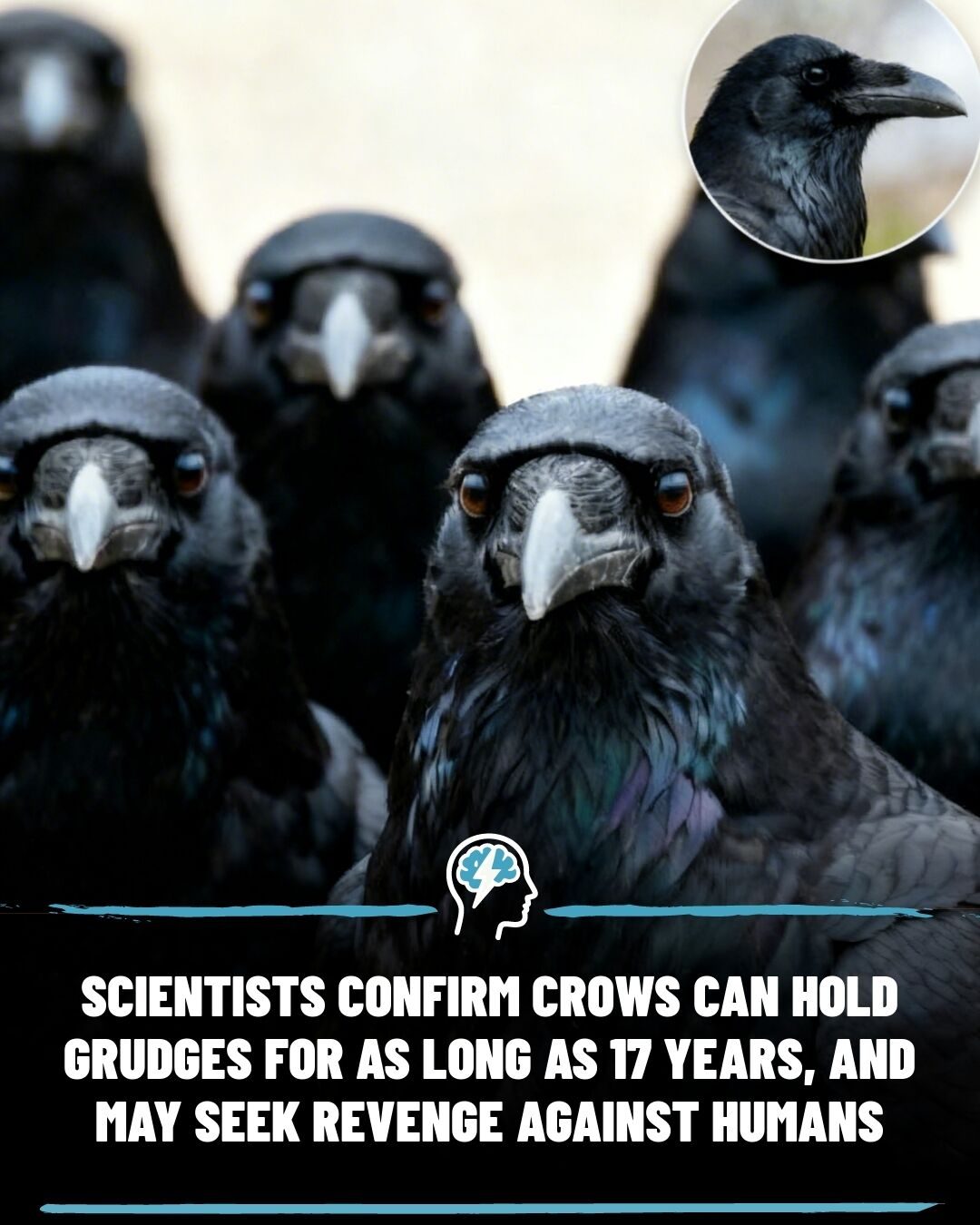
Crow Intelligence
Crows are remarkable birds with a surprising level of intelligence, especially in their ability to recognize human faces and remember interactions over long periods. This fascinating behavior has been the subject of extensive research, revealing insights into the social and cognitive capabilities of these birds.
Why This Matters
Understanding how crows remember and react to human interactions provides valuable insights into animal cognition and behavior. It also offers practical implications for how humans interact with these birds in urban and wild settings. Whether you're a bird enthusiast or simply curious about the natural world, learning about crow intelligence can deepen your appreciation for these remarkable creatures.
Main Discussion
The Memory of Crows
Crows and ravens have the remarkable ability to recognize individual human faces and remember how those people treated them. This ability is not just a fleeting memory; it can last for remarkably long periods. Researchers have documented cases where crows remembered specific individuals and their interactions for up to 17 years. This long-term associative memory allows crows to connect a specific person with a specific outcome, whether that's threat or safety, and adjust their behavior accordingly.
Social Communication
The fascinating part of this research is how this information spreads socially within bird communities. Crows use social communication to warn each other about potential threats. When a crow has a negative experience with a particular person, it communicates this to other crows through alarm calls. This means that even birds who have never had a direct negative experience with a person can still respond defensively based on the social information shared within the group. This collective memory and social learning are crucial for the survival and well-being of the crow community.
The Research Protocol
Scientists at the University of Washington conducted a longitudinal study to understand this behavior better. Starting in 2006, they wore specific masks while capturing and tagging birds. In subsequent years, researchers and volunteers wore those same masks during various interactions with crows on campus. Control masks, which were not associated with negative interactions, did not trigger defensive responses. This clever research protocol allowed scientists to observe how crows remember and react to specific faces over time.
Peak Aggressive Behavior
The study found that peak aggressive behavior toward "threat faces" occurred around 2013, gradually declining by 2023. This suggests that crows' memories of specific interactions can fade over time, but the social communication within the group helps maintain a level of caution. Even birds who had never had direct negative experiences with the masked researchers responded defensively, highlighting the power of social learning and communication.
Practical Tips
If you interact with crows or ravens in your neighborhood, it's essential to be mindful of your behavior. Here are some practical tips:
- Treat Crows Kindly: Crows can remember positive interactions too. If you're kind to them, they may remember you favorably and react positively in future encounters.
- Avoid Stressing Them: Crows can hold grudges for a long time. Try to avoid actions that might stress or harm them, as they may remember and react defensively in the future.
- Observe from a Distance: If you want to observe crows without triggering defensive behavior, maintain a respectful distance and avoid sudden movements or loud noises.
- Understand the Context: Remember that individual birds and populations may respond differently. The research focused on American crows in a specific setting, so results can vary.
Important Takeaways
- Crows and ravens can recognize individual human faces and remember interactions for long periods, sometimes up to 17 years.
- Social communication within crow communities allows them to share information about potential threats, even if they haven't experienced them directly.
- Positive interactions with crows can lead to favorable memories, while negative interactions can result in defensive behavior.
- Understanding crow behavior can help us interact with them more mindfully and respectfully.
Conclusion
The intelligence and memory of crows are truly remarkable. Their ability to recognize and remember human faces, along with their sophisticated social communication, make them one of the most fascinating subjects of study in the animal kingdom. By understanding and respecting their behavior, we can foster more harmonious interactions with these intelligent birds.
Watch the Reel
Questions readers ask
How do crows recognize human faces?
Crows use a combination of visual cues and past experiences to recognize human faces. They pay close attention to details like facial features and expressions, allowing them to differentiate between individuals. This recognition is part of their complex cognitive abilities, which also include problem-solving and tool use.
Can crows remember negative interactions with humans?
Yes, crows can remember negative interactions with humans for extended periods, sometimes up to 17 years. This long-term memory is part of their warning system, where they alert other crows about potential threats. This behavior showcases their ability to learn and adapt to their environment through social learning.
What happens when a crow recognizes a human face it remembers?
When a crow recognizes a human face it remembers, it may exhibit defensive behaviors or vocalize warnings to other crows. These reactions are part of their social learning and communication strategies, enhancing their community's safety by sharing information about potential threats.
How do crows communicate threats to each other?
Crows use a combination of vocalizations and body language to communicate threats to each other. They have a complex warning system, which includes specific calls and behaviors to alert the group about potential dangers, such as the presence of a recognized, potentially harmful human.
What research has been conducted on crows' memory and human face recognition?
Several studies have focused on crows' memory and human face recognition, using experiments that test their ability to recognize and react to familiar human faces. Researchers have also explored how crows learn and share information about threats, shedding light on their advanced cognitive and social behaviors.
Why is it important to understand how crows remember human interactions?
Understanding how crows remember human interactions can inform better practices for human-wildlife coexistence. It helps in designing strategies to minimize negative interactions and promote peaceful coexistence in both urban and wild settings. Additionally, it highlights the complexity of avian cognition and behavior.
Can crows remember positive interactions with humans as well?
While crows are known for their ability to remember negative interactions, research suggests they can also remember positive interactions, such as being fed or treated kindly. This ability to differentiate between positive and negative experiences further underscores their sophisticated cognitive abilities and social intelligence.
Related deep dives
Similar reads based on topic and creator.



Recent articles
Fresh deep dives from the latest Reels we unpacked.



Comments
Be the first to comment.