Pasta Preparation
Pasta is a staple in many kitchens around the world, and mastering the art of pasta preparation can elevate your cooking to new heights. The process might seem simple, but there are nuances that can make a significant difference in the final dish.
Context / Why this matters
Proper pasta preparation ensures that your pasta dishes are delicious and satisfying. Whether you're cooking for yourself or for a group, understanding the best techniques for boiling, tossing, and serving pasta can transform a basic meal into a gourmet experience.
Main discussion
Choosing the Right Pasta
Pasta comes in a variety of shapes and sizes, each suited to different types of sauces and cooking methods. For example, spaghetti and linguine are great for lighter, oil-based sauces, while rigatoni and penne work well with chunkier sauces that can be trapped within the pasta's hollows.
Boiling Pasta
Boiling pasta is the first and most crucial step in the preparation process. The key is to use a large pot with plenty of water to ensure the pasta has enough room to cook evenly. Add a generous amount of salt to the water—about a tablespoon per gallon—to enhance the pasta's flavor.
It's important to bring the water to a full, rolling boil before adding the pasta. This helps prevent the pasta from sticking together. Once the pasta is added, stir it gently to ensure the pieces separate. The cooking time will vary depending on the type of pasta and your desired texture, so always refer to the package instructions for the most accurate timing.
Tossing with Sauce
Once the pasta is al dente, drain it but reserve some of the pasta water. The starch in the pasta water can help bind the sauce to the pasta, creating a creamy texture. Toss the pasta with your chosen sauce in a large pan, adding a bit of the reserved pasta water as needed to achieve the desired consistency.
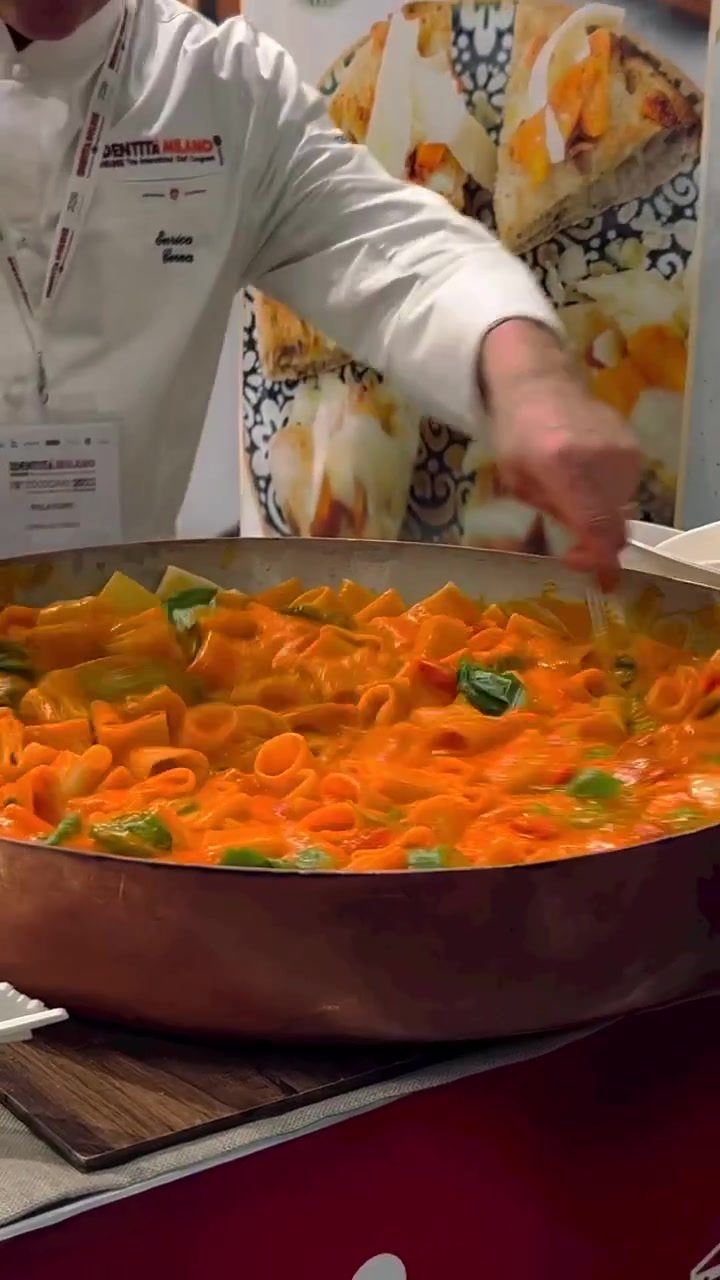
For example, Dentite Milano’s cooking process involves tossing pasta with a sauce and grated cheese, ensuring that each strand is perfectly coated. This technique ensures that the pasta absorbs the flavors of the sauce and cheese, making every bite delicious.
Finishing Touches
The final step in pasta preparation is the finishing touch. Grated cheese, fresh herbs, and a drizzle of olive oil can all enhance the flavor and presentation of your dish. Chef Enrico Lucca, known for his excellent culinary skills, often emphasizes the importance of adding grated cheese and herbs at the end to bring out the best in the dish.
Practical tips
Avoid Overcooking
Overcooked pasta can become mushy and lose its texture, so it's essential to keep an eye on the cooking time. Always taste the pasta a minute or two before the recommended cooking time to ensure it reaches the perfect al dente stage.
Use the Right Pot
A large pot is crucial for boiling pasta. It allows the pasta to move freely, preventing it from sticking together. Additionally, using a large pot ensures that the water temperature stays consistent, which is important for even cooking.
Save the Pasta Water
Saving some of the pasta water before draining is a great trick to help bind the sauce to the pasta. The starch in the water can help create a creamy, velvety texture that enhances the overall flavor of the dish.
Experiment with Sauces
Don't be afraid to experiment with different sauces. From classic marinara to creamy Alfredo, the possibilities are endless. Each sauce can bring out different flavors in the pasta, so feel free to get creative.
Important takeaways
Pasta preparation is an art that requires attention to detail and a bit of practice. By choosing the right pasta, boiling it properly, and mastering the art of tossing and finishing, you can create delicious dishes that impress your family and friends. Remember, the key to great pasta lies in the details—from the quality of the pasta to the techniques used in cooking and serving.
Conclusion
Mastering pasta preparation opens up a world of culinary possibilities. Whether you're a seasoned cook or a beginner, understanding the nuances of pasta cooking can transform your meals. From choosing the right pasta to perfecting the boiling and tossing techniques, every step plays a crucial role in creating a perfect pasta dish.
Watch the Reel
Questions readers ask
What are the best pasta shapes for cream-based sauces like the Dentite Milano?
For cream-based sauces, choose pasta shapes that can easily trap and hold the sauce. Tubular shapes like penne, rigatoni, or fusilli are excellent choices. These pastas have ridges or hollow centers that capture the cream sauce, ensuring every bite is flavorful.
How can I prevent my pasta from becoming mushy?
To prevent mushy pasta, avoid overcooking. Start by boiling water and add a generous amount of salt before adding the pasta. Cook the pasta al dente, which means it should have a slight bite to it. Timing is crucial, so check the pasta a minute or two before the package instructions suggest. Drain the pasta immediately after cooking and toss it with sauce to stop the cooking process.
What is the best method for tossing pasta with sauce?
To toss pasta with sauce effectively, use a large pan or skillet with the heat turned down to low. Add the cooked pasta and a small amount of pasta water to create a smooth sauce. Start with a small amount of sauce, and you can always add more. Toss continuously to ensure the pasta is evenly coated, and add sauce until it reaches your desired consistency. Avoid overcooking the pasta in the sauce.
Should I rinse pasta after cooking?
No, you should not rinse pasta after cooking. Rinsing pasta removes the starchy coating that helps the sauce adhere to the pasta. Instead, reserve some pasta water (about a cup) before draining the pasta. The starch in the water can help bind the sauce to the pasta, creating a creamier dish. Add a small amount of pasta water to your sauce if needed.
What techniques can I use to serve pasta professionally?
For a professional presentation, serve pasta on a large, shallow bowl or a plate. Twist the pasta gently around a fork to create a neat mound and drizzle the sauce over the top. Alternatively, you can serve pasta in a pasta bowl with a fork in the center to facilitate serving. Garnish with fresh herbs, grated cheese, or a drizzle of olive oil for added flavor and visual appeal.
How can I make the best pasta sauce for Dentite Milano pasta?
To make the best pasta sauce for Dentite Milano, start with a creamy base using heavy cream, milk, or a combination of both. Add flavorings like garlic, shallots, white wine, and Parmesan cheese. For a richer flavor, incorporate ingredients such as mushrooms, sun-dried tomatoes, or baked lemons. For a lighter sauce, you can add vegetables like spinach or asparagus.
Why is it important to salt the pasta water?
Salting the pasta water is crucial because it enhances the flavor of the pasta itself. The pasta absorbs some of the water as it cooks, so adding salt to the water ensures that the pasta is seasoned from the inside out. Aim for a salinity similar to seawater, using about 1 to 2 tablespoons of salt per 4 quarts of water. Taste the water to ensure it's seasoned properly.
Recent articles
Fresh deep dives from the latest Reels we unpacked.




Comments
Be the first to comment.