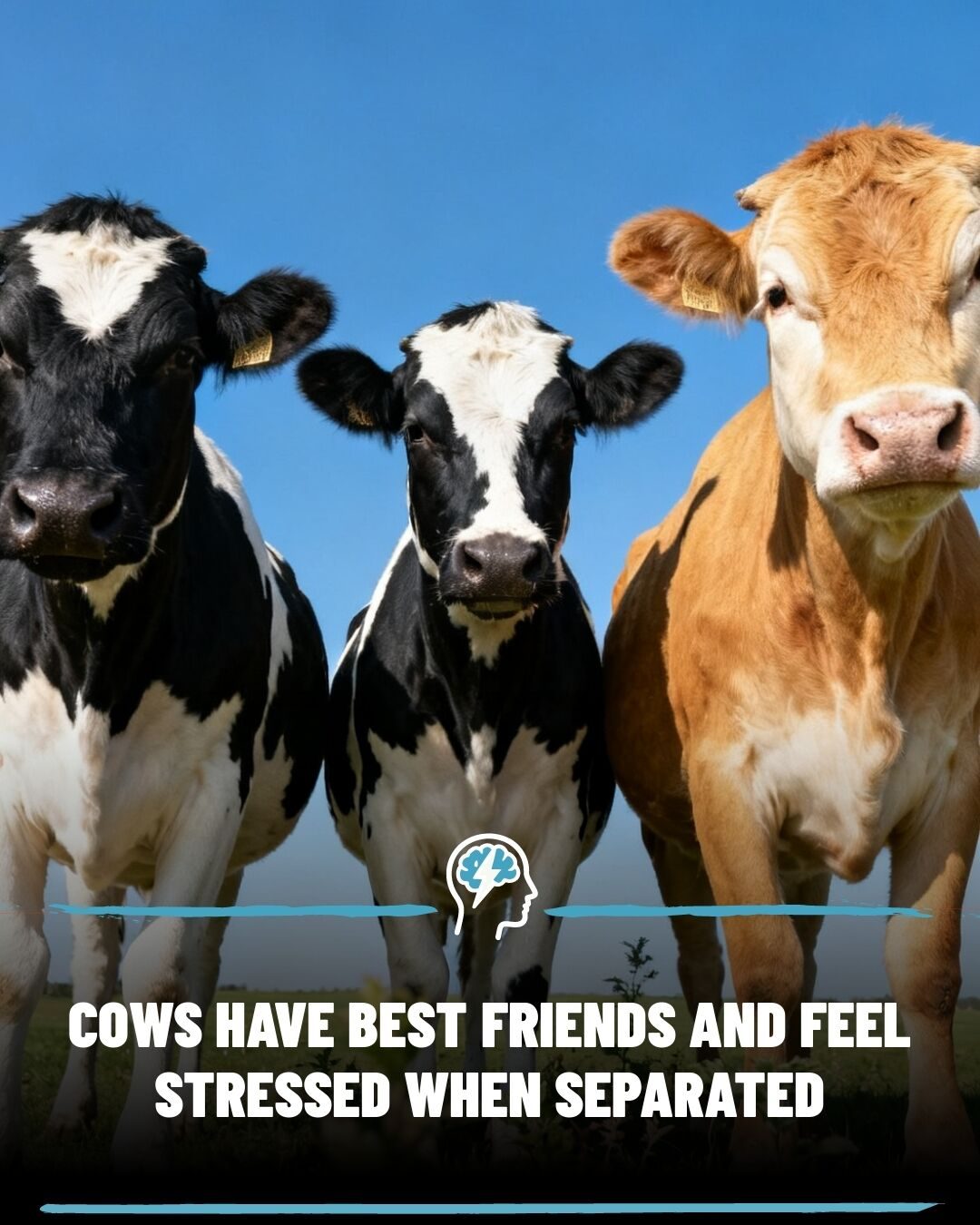
The Power of Friendship: How Cows Bond & Thrive Together
Cows, despite their often-underestimated complexities, form strong social bonds with specific peers. These relationships are not just casual associations; they are genuine friendships that significantly impact the well-being of these animals. Understanding these bonds can provide valuable insights into better cattle management and welfare practices.
Why This Matters
Recognizing the social dynamics of cows is crucial for farmers and animal welfare advocates. When cows are separated from their preferred companions, they experience stress, which can lead to various health issues and reduced productivity. By maintaining stable social groups, farmers can ensure that their cattle thrive, both physically and emotionally.
The Science of Cow Friendships
Specific Social Bonds
Decades of research have shown that cattle form specific social bonds that are essential for their well-being. A key study involving 38 cows over 30 days recorded over 1,300 mutual grooming events. This behavior is a clear indicator of the strong social connections that cows develop. Certain pairs of cows were observed to graze and rest together consistently and even call out to each other when separated. These behaviors are not random; they demonstrate a deep-seated need for social interaction.
Measuring Social Attachment
The attachment between cows is measurable. Research from the University of British Columbia found that cows will push roughly twice the weight to reach their preferred partners compared to random herdmates. This physical effort to be with a specific companion underscores the depth of their social bonds. The desire to be near preferred companions is a fundamental aspect of cow behavior and well-being.
Impact of Separation
Disrupting these social bonds can have significant consequences. A 2025 review of studies reports that cows stay calmer and adapt faster to new environments when they are with their preferred companions. The heart rates of cows stabilize, and stress behaviors drop when they are not separated from their friends. Routine regrouping in dairies, where cows are frequently separated and re-grouped, can break these connections and negatively impact their welfare.
Practical Tips for Maintaining Cow Friendships
Maintain Stable Social Groups
One of the most effective ways to support cow well-being is to maintain stable social groups. By keeping the same herd together, farmers can help cows form and maintain their friendships, reducing the stress associated with frequent changes. While every farm and animal is different, this approach generally leads to happier, healthier cattle.
Avoid Unnecessary Separations
Unnecessary separations can cause significant stress for cows. While some separations may be unavoidable, such as during medical treatments or breeding, it is essential to minimize these disruptions. When possible, keep cows with their preferred companions to ensure their well-being.
Recognize Individual Preferences
Cows are individuals with unique preferences and behaviors. Recognizing and respecting these preferences can lead to better management practices. For example, if a cow shows a strong preference for a particular companion, efforts should be made to keep them together.
Important Takeaways
Social connection is not uniquely human; cows also form genuine preferences and seek out specific friends. Understanding and respecting these bonds can guide more compassionate care and better welfare practices. By maintaining stable social groups and minimizing unnecessary separations, farmers can ensure that their cattle thrive, both physically and emotionally.
Conclusion
The power of friendship extends beyond human relationships to the world of cattle. Cows form strong, specific social bonds that are essential for their well-being. By understanding and respecting these bonds, farmers can create better management practices that support the health and happiness of their animals. Maintaining stable social groups and avoiding unnecessary separations are key to ensuring that cows thrive in their environments.
Watch the Reel
Questions readers ask
How do cows form and maintain friendships?
Cows form friendships through frequent interactions and shared experiences. They tend to bond with specific individuals, showing preferences for certain companions over others. These bonds are maintained through grooming, resting together, and engaging in synchronized activities.
What happens when cows are separated from their friends?
When cows are separated from their preferred companions, they exhibit signs of stress, such as increased vocalization, reduced eating, and restlessness. This stress can lead to various health issues, including weakened immune systems and changes in behavior.
How does maintaining stable social groups benefit cattle?
Maintaining stable social groups allows cows to preserve their friendships and reduces stress. This stability leads to improved overall health, better productivity, and a more harmonious environment in farming practices.
What can farmers do to support cow friendships?
Farmers can support cow friendships by keeping social groups stable and minimizing disruptions. This includes avoiding unnecessary separations, providing ample space for social interactions, and being mindful of cow companionship when making management decisions.
What research has been done on cow social behavior?
Extensive research has shown that cows have complex social behaviors and form strong, specific bonds. Studies have highlighted the negative effects of separating cows from their friends, which can result in significant stress and health issues, influencing future animal welfare and management practices.
What are the benefits of prioritizing cow social stability in 2025?
By 2025, prioritizing cow social stability can lead to more humane and efficient farming practices. It can also enhance the public's perception of animal welfare, as consumers increasingly value ethically sourced products. This approach ensures a healthier, more productive cattle population.
How can understanding cow social bonds improve cattle management?
Understanding cow social bonds can improve cattle management by informing better practices, such as group housing and minimal disruption. This knowledge can lead to healthier, more productive cattle, and can also improve the efficiency and sustainability of farming operations.
Related deep dives
Similar reads based on topic and creator.



Recent articles
Fresh deep dives from the latest Reels we unpacked.




Comments
Be the first to comment.