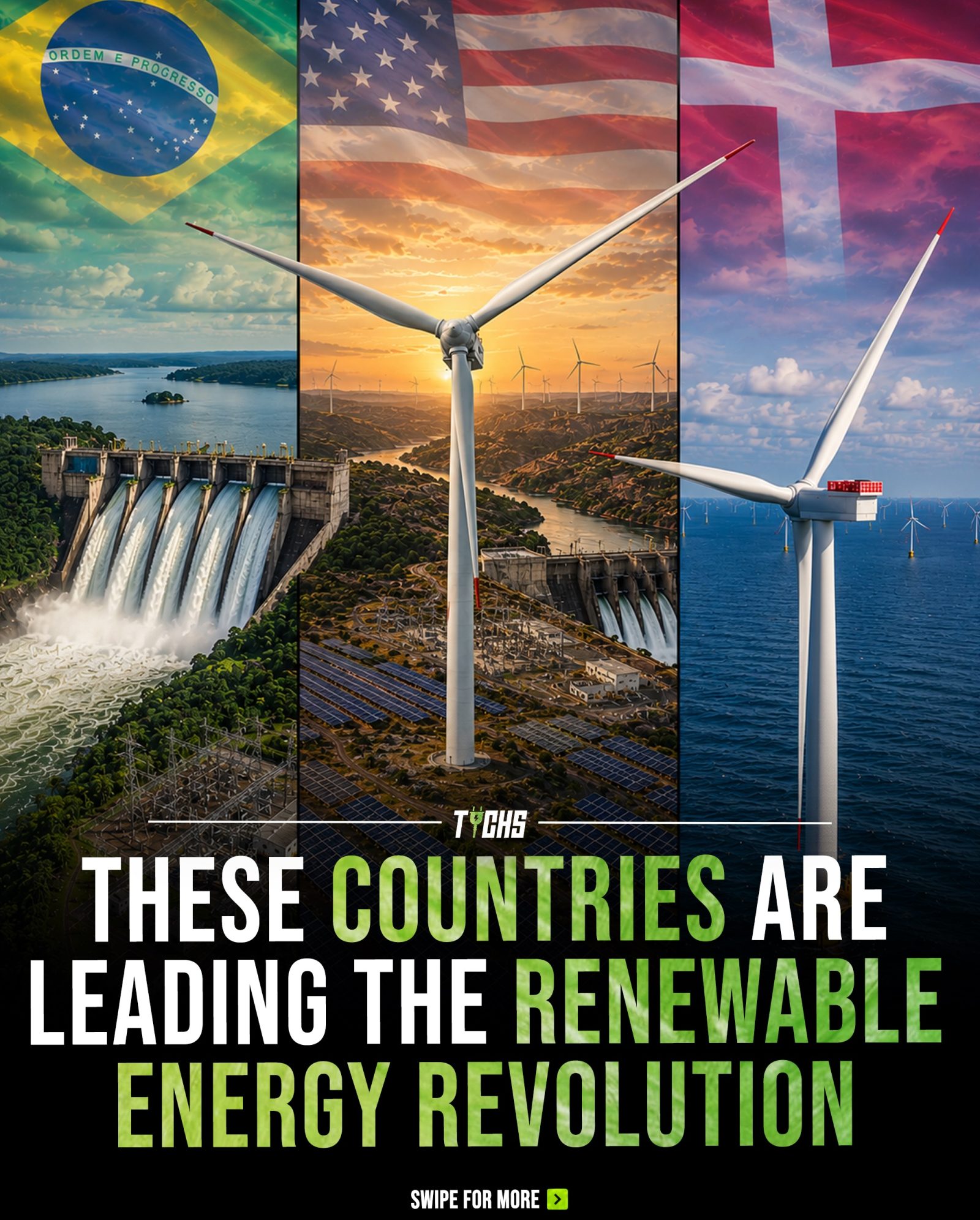
Renewable Energy Leadership Across the Globe
Solar, wind, and hydropower are at the forefront of a global shift in how nations generate electricity, reduce emissions, and drive economic growth. Countries like China, the United States, and Brazil are leading the way in renewable energy production and innovation.
Why This Matters
Renewable energy is not just a trend; it's a global transformation. As countries commit to cleaner energy, the benefits are tangible: reduced carbon emissions, economic growth, and energy independence for many nations. Understanding the global leaders in renewable energy sheds light on the future of power generation and sustainability.
Global Leaders in Renewable Energy
China: The Global Leader in Renewable Energy
China is the undisputed leader in renewable energy, with an installed capacity exceeding 1,500 gigawatts in solar, wind, and hydropower. This massive capacity puts China at the forefront of the global renewable energy revolution. The country's investment in renewable energy is not only transforming its domestic energy landscape but also setting a benchmark for the rest of the world.
Brazil: The Hydro Powerhouse
Brazil stands out as a leader in hydropower, with nearly 90% of its electricity generated from renewable sources. Large hydroelectric dams are the backbone of Brazil's renewable energy strategy, providing a reliable and sustainable source of power. The country's reliance on hydropower showcases the potential of renewable energy to meet large-scale energy demands.
United States: Expanding Clean Energy Projects
The United States is actively expanding its renewable energy sector through large-scale clean energy projects. From solar farms to wind turbines, the U.S. is making significant strides in diversifying its energy sources. The country's commitment to renewable energy is evident in its ongoing investment in clean energy technologies and infrastructure.
India: Scaling Solar Power
India is rapidly scaling some of the world's largest solar parks, positioning itself as a key player in the global solar energy market. The country's ambitious solar energy projects are not only helping to meet its growing energy demands but also reducing its dependence on fossil fuels. India's progress in solar energy highlights the potential of renewable sources to drive economic growth and sustainability.
Germany: Energiewende and the Global Shift
Germany's Energiewende, or energy transition, has been a driving force behind the global shift toward cleaner energy systems. The country's focus on renewable energy has accelerated the adoption of solar and wind power, setting a precedent for other nations to follow. Germany's success in transitioning to renewable energy underscores the feasibility and benefits of a clean energy future.
Norway: Hydropower Dominance
Norway's electricity generation is heavily reliant on hydropower, making it a global leader in this sector. The country’s extensive use of hydroelectric dams ensures a reliable and sustainable energy supply, reducing its carbon footprint and promoting energy independence. Norway's success in hydropower provides a model for other nations seeking to transition to renewable energy.
Denmark: Wind Energy Pioneer
Denmark has established itself as a global leader in wind energy, generating more than half of its power from onshore and offshore wind farms. The country's commitment to wind energy is part of a broader strategy to achieve a 100% renewable energy supply. Denmark's leadership in wind energy highlights the potential of this renewable source to power modern economies.
Practical Tips for Transitioning to Renewable Energy
Assessing Energy Needs
Understanding your energy needs is the first step in transitioning to renewable energy. Conducting an energy audit can help identify areas where renewable sources can be most effectively implemented.
Choosing the Right Renewable Sources
Different regions and countries have varying access to renewable energy sources. For example, areas with abundant sunlight are ideal for solar power, while windy regions are better suited for wind turbines. Consider the availability and potential of renewable sources in your location.
Implementing Renewable Energy Solutions
Transitioning to renewable energy often involves a combination of sources. Installing solar panels, wind turbines, or hydropower systems can significantly reduce reliance on fossil fuels. Additionally, exploring energy storage solutions, such as batteries, can help manage the variability of renewable energy sources.
Policy and Incentives
Government policies and incentives play a crucial role in promoting renewable energy adoption. Researching tax credits, rebates, and other financial incentives can make the transition to renewable energy more affordable and attractive.
Important Takeaways
- Countries like China, Brazil, and the United States are at the forefront of renewable energy production.
- Renewable energy sources like solar, wind, and hydropower are driving economic growth and reducing emissions.
- Transitioning to renewable energy requires understanding energy needs, choosing the right sources, and leveraging policy incentives.
- Global leadership in renewable energy sets a precedent for other nations to follow, promoting a cleaner and more sustainable future.
Conclusion
From China's massive investment in solar, wind, and hydropower to Brazil's reliance on hydropower and Denmark's leadership in wind energy, the global shift towards renewable energy is undeniable. As more countries commit to cleaner energy systems, the benefits of reduced emissions, economic growth, and energy independence are becoming increasingly apparent. Transitioning to renewable energy is not just a future ambition; it is a global transformation that is already reshaping the way we power the world. By following the examples of these global leaders, countries can pave the way for a sustainable and renewable energy future.
Watch the Reel
Questions readers ask
Which countries are currently the top producers of renewable energy?
The top producers of renewable energy include China, the United States, and Brazil. These countries have made significant investments in solar, wind, and hydropower, leading to substantial growth in their renewable energy capacities.
How is China leading the global renewable energy revolution?
China is the global leader in renewable energy, with extensive investments in solar, wind, and hydropower. The country has the largest installed capacity for renewable energy and is a major player in green electricity generation.
What role does Brazil play in the global renewable energy landscape?
Brazil is a significant contributor to the global renewable energy landscape, particularly in hydropower. The country has a vast hydropower capacity, which makes up a large portion of its electricity generation.
What are the benefits of investing in renewable energy for countries?
Investing in renewable energy brings multiple benefits, including reduced carbon emissions, economic growth through job creation and innovation, and enhanced energy independence. These factors make renewable energy a key component of sustainable development.
How does the United States contribute to the renewable energy sector?
The United States is a leader in both solar and wind power generation. The country has made significant strides in increasing its renewable energy capacity, setting benchmarks for green electricity generation and driving advancements in sustainability.
What impact does the renewable energy revolution have on economic growth?
The renewable energy revolution drives economic growth by creating jobs in green industries, stimulating innovation, and reducing reliance on imported fossil fuels. This shift not only benefits the environment but also strengthens economies over the long term.
Which renewable energy sources are the most prominent in the global shift?
The most prominent renewable energy sources in the global shift are solar, wind, and hydropower. These sources are being widely adopted and scaled up by leading countries, pushing the boundaries of sustainable energy generation and setting new standards for the future.
Recent articles
Fresh deep dives from the latest Reels we unpacked.




Comments
Be the first to comment.