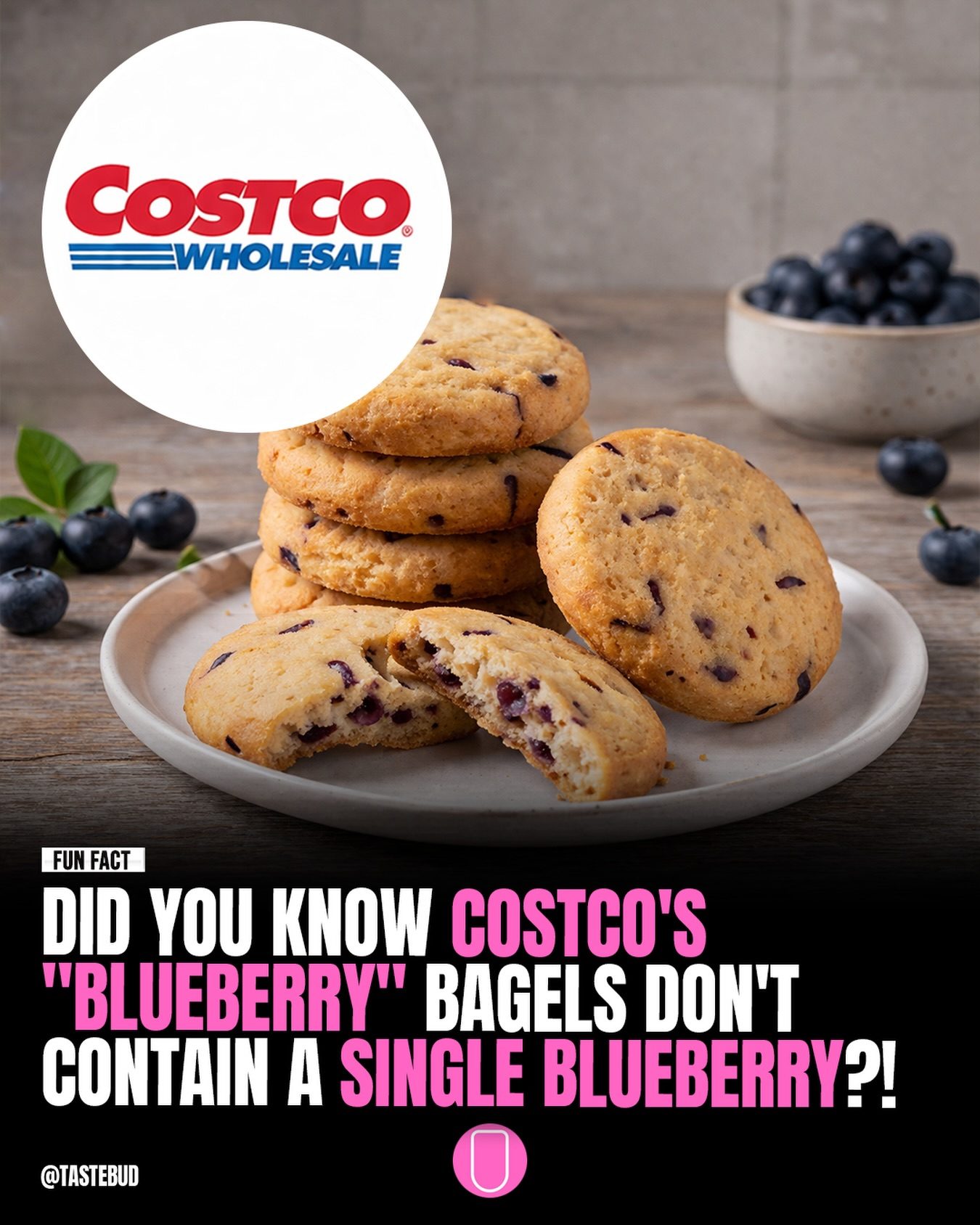
Costco Blueberry Bagels and the Truth About Imitation Blueberries
Packaged foods often claim to contain real fruit, but sometimes the labels can be misleading. This is particularly true when it comes to products like Costco blueberry bagels, which may not contain any actual blueberries. The use of imitation blueberries in baked goods and other processed foods has raised concerns among consumers, pushing them to pay closer attention to ingredients and opt for whole foods.
Context/Why This Matters
In an era where health-conscious eating is on the rise, understanding what you're consuming is crucial. Misleading labeling and imitation ingredients can obscure the nutritional value of your food. The revelation about Costco's blueberry bagels highlights how important it is to read the labels of processed foods and understand their ingredients.
Main Discussion
The Ingredients in Imitation Blueberries
Imitation blueberries, often used in packaged foods, are designed to mimic the appearance and taste of real blueberries. These artificial ingredients can include a mix of flavors, colors, and texturizing agents. While they may look and taste similar to real blueberries, they lack the nutritional benefits of the real fruit. Consumers might be unwittingly compromising on health when they choose these products, thinking they are getting the benefits of real fruit.
Why Processed Foods Can Be Misleading
Processed foods are convenient, but they often come with hidden ingredients that can be misleading. Manufacturers may add imitation fruits or flavors to products to enhance their appeal without adding the nutritional value of the real thing. This can be particularly confusing for consumers who are trying to make health-conscious choices. Without a close inspection of the ingredient list, it can be difficult to discern what you're really eating.
The Rise in Consumer Awareness
The increasing scrutiny of packaged foods has led to a growing trend among consumers to opt for whole, unprocessed foods. This shift is driven by a desire for transparency in the food industry and a demand for honest labeling. Social media discussions and public awareness campaigns are playing a significant role in educating consumers about the importance of reading food labels and understanding the ingredients in the products they buy.
Practical Tips
Reading Food Labels
When shopping for packaged foods, it's essential to read the ingredient list carefully. Look for items that contain real fruit rather than artificial flavors or imitations. The ingredient list is usually ordered by weight, so the first few items listed are the most predominant. Be wary of labels that use terms like “natural flavors” or “imitation” as these can be indicators of added, non-natural ingredients.
Choosing Whole Foods
Whole foods, such as fresh fruits, vegetables, and whole grains, are generally healthier and more nutritious than their processed counterparts. These foods are less likely to contain hidden ingredients and offer a higher nutritional value. Incorporating more whole foods into your diet can help ensure that you're getting the vitamins, minerals, and fiber your body needs.
Understanding Claims on Products
Food packaging often features claims that can be misleading. Terms like “made with real fruit” or “contains blueberries” can be ambiguous. Be cautious of these claims and verify their authenticity by examining the ingredient list. If the product claims to contain a specific fruit, ensure that the ingredient list confirms its presence and that it's listed prominently.
Important Takeaways
The Need for Transparency
The issue with imitation blueberries in packaged foods underscores the need for greater transparency in the food industry. Consumers should not have to decipher complex ingredient lists to understand what they're eating. Clear and honest labeling can help build trust and encourage healthier food choices.
The Role of Consumers
Consumers play a critical role in shaping the food industry. By demanding transparency and prioritizing whole foods, they can drive change. Choosing products with clear, truthful labeling can send a strong message to manufacturers about the importance of honesty in food production.
The Importance of Label Scrutiny
Reading and understanding food labels is a crucial step in making informed dietary choices. By taking the time to scrutinize ingredient lists, consumers can avoid hidden additives and ensure that they're getting the nutritional benefits they expect from their food.
Conclusion
The revelation that Costco's blueberry bagels do not contain actual blueberries serves as a reminder to be vigilant when it comes to food labels. Consumers should be discerning and choose products that offer real nutritional value. By opting for whole foods and understanding food labels, we can make healthier, more informed decisions about what we eat. This shift towards transparency and informed choices is essential for a healthier, more honest food landscape.
Watch the Reel
Questions readers ask
What are imitation blueberries and why are they used in some processed foods like Costco bagels?
Imitation blueberries are artificial fruit pieces often made from ingredients like corn syrup, food coloring, and artificial flavors. These are used in some processed foods, including Costco blueberry bagels, to mimic the appearance and taste of real blueberries while reducing costs and extending shelf life.
How can I determine if a product contains real blueberries?
To check if a product contains real blueberries, carefully examine the ingredients list. Key phrases like “dried blueberries” or “blueberries” indicate the presence of real fruit. If the ingredients list includes terms like “blueberry flavored bits” or “imitation blueberries,” it’s likely the product uses artificial substitutes.
Are there any health concerns associated with consuming imitation blueberries?
While imitation blueberries are generally recognized as safe by the FDA, they lack the nutritional benefits of real blueberries, such as antioxidants, fiber, and vitamins. Consuming them does not provide the same health benefits as eating real fruit, and they may contain added sugars and artificial ingredients.
How do Costco blueberry bagels compare to other brands in terms of ingredients?
Costco blueberry bagels have been scrutinized for potentially containing imitation blueberries instead of real ones. When comparing to other brands, always check the ingredient list to see if they use real blueberries. Some brands may explicitly state the use of real fruit, while others might be less transparent, much like Costco.
Why is it important to read the ingredients list on packaged foods?
Reading the ingredients list on packaged foods helps you understand what you’re consuming. It allows you to identify real versus imitation ingredients, watch for potential allergens, and make informed decisions about your diet. This practice is especially important for health-conscious individuals or those with dietary restrictions.
Related deep dives
Similar reads based on topic and creator.




Recent articles
Fresh deep dives from the latest Reels we unpacked.




Comments
Be the first to comment.