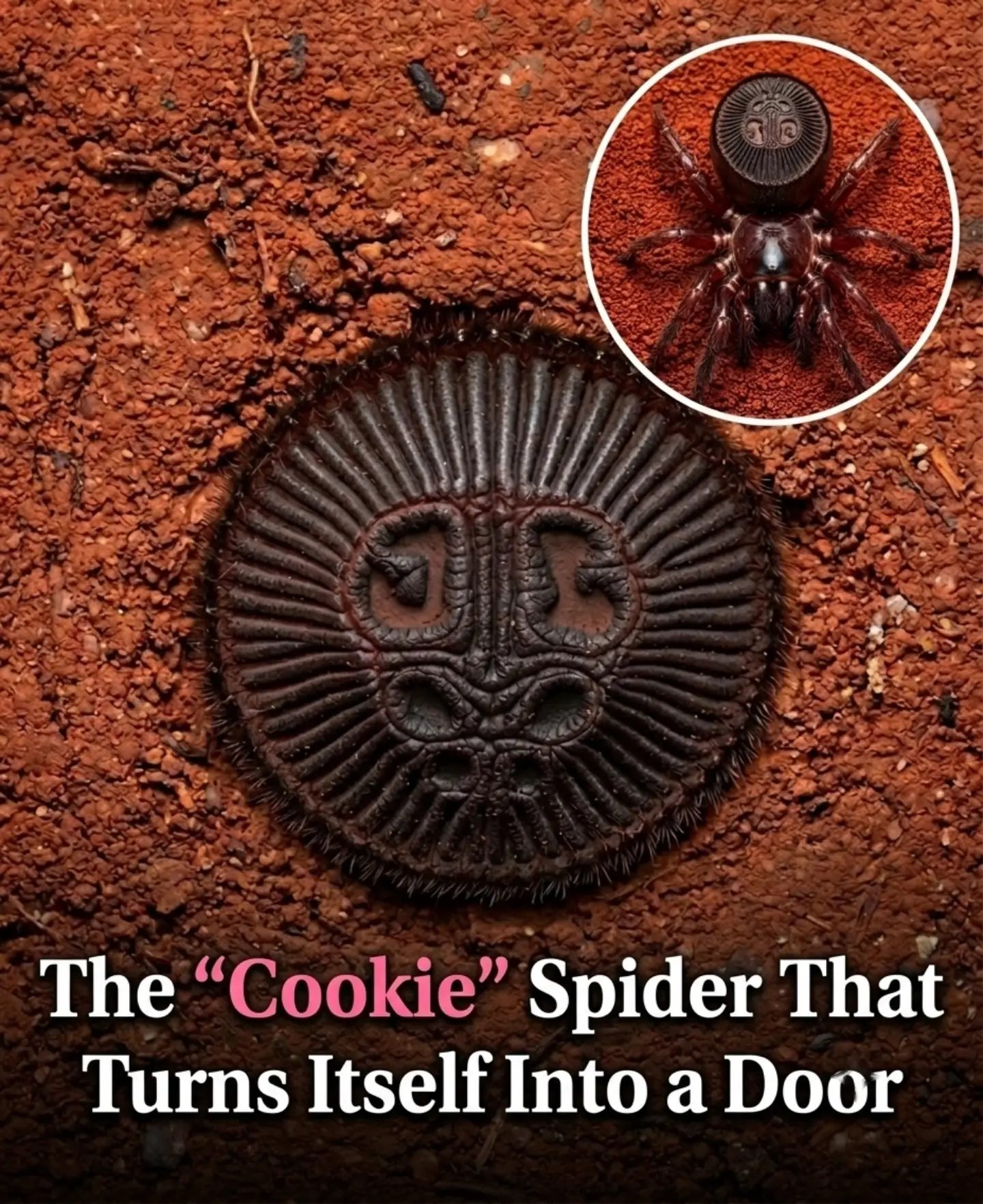
The "Cookie" Spider and Its Remarkable Camouflage
The "Cookie" Spider is a fascinating arachnid known for its unique appearance and extraordinary camouflage abilities. This spider has earned its nickname from its resemblance to a cookie, but its most remarkable feature is its ability to mimic the appearance of a door. This adaptation is not just visually striking but also serves a critical purpose in the spider's survival strategy.
Why This Matters
Understanding the "Cookie" Spider's camouflage is more than just a curiosity; it provides valuable insights into the world of arachnids and their survival strategies. By mimicking its surroundings, the spider can avoid predators and catch prey more effectively. This adaptation is a testament to the incredible diversity and ingenuity found in nature.
The "Cookie" Spider's Unique Features
Appearance and Nickname
The "Cookie" Spider gets its name from its distinctive appearance, which bears a striking resemblance to a cookie. This resemblance is not just a quirk of nature but a crucial aspect of its survival strategy. The spider's shape and coloration help it blend seamlessly into its environment, making it nearly invisible to both predators and prey.
Camouflage Abilities
One of the most remarkable features of the "Cookie" Spider is its ability to change its appearance to mimic a door. This camouflage is so effective that it can fool even the keenest eyes. The spider's ability to transform itself into a door is a remarkable example of adaptive camouflage, a trait that is rare in the animal kingdom.
Practical Tips for Observing the "Cookie" Spider
While the "Cookie" Spider's camouflage makes it difficult to spot, there are a few tips that can help you observe this fascinating creature in its natural habitat.
Patience and Stealth
Observing the "Cookie" Spider requires patience and stealth. The spider is highly sensitive to movement and can quickly retreat if disturbed. Approach the area quietly and move slowly to avoid startling the spider.
Look for Clues
The spider's natural habitat provides clues to its presence. Look for areas where the spider's cookie-like appearance might blend in, such as among tree bark or on rocky surfaces. Pay attention to any slight movements or changes in the surroundings that might indicate the presence of the spider.
Important Takeaways
The "Cookie" Spider is a testament to the incredible adaptations found in nature. Its unique appearance and remarkable camouflage abilities make it a fascinating subject for study. Observing this spider can provide valuable insights into the strategies used by arachnids to survive in the wild.
Understanding Nature's Survival Tactics
The "Cookie" Spider's ability to mimic a door highlights the sophistication of natural adaptations. This adaptation not only helps the spider evade predators but also enhances its hunting abilities. By blending in with its surroundings, the spider can ambush its prey more effectively.
The Role of Camouflage in Survival
Camouflage is a crucial survival tactic for many creatures, and the "Cookie" Spider is a prime example of how effective it can be. By mimicking a door, the spider can avoid detection and increase its chances of survival. Understanding these tactics can provide valuable insights into the broader strategies used by animals to thrive in their environments.
Conclusion
The "Cookie" Spider is a fascinating example of nature's ingenuity and adaptability. Its unique appearance and remarkable camouflage abilities make it a subject of great interest for both scientists and nature enthusiasts. Observing this spider in its natural habitat can provide valuable insights into the strategies used by animals to survive and thrive. Whether you're a seasoned naturalist or a curious observer, the "Cookie" Spider offers a glimpse into the remarkable world of arachnids and their survival tactics.
Watch the Reel
Questions readers ask
How does the Cookie Spider's door mimicry help it avoid predators?
The Cookie Spider's ability to mimic a door helps it blend into its surroundings, making it nearly invisible to predators. This camouflage is a crucial survival strategy, as it allows the spider to avoid detection and potential threats.
What makes the Cookie Spider's resemblance to a cookie so unique?
The Cookie Spider is named for its unique appearance which resembles a cookie, but its most remarkable feature is the ability to mimic a door. This mimicry sets it apart from other spiders and is a key adaptation for its survival.
Can the Cookie Spider's camouflage be seen from a distance?
The Cookie Spider's camouflage is so effective that it can be difficult to spot even from a short distance. This is because the spider blends seamlessly with its surroundings, making it nearly indistinguishable from the door or wood.
How does the Cookie Spider's mimicry aid in catching prey?
By mimicking a door, the Cookie Spider can remain undetected by prey. This allows the spider to ambush its targets more effectively, as the prey is unaware of the danger lurking in plain sight.
What are some other examples of nature's ingenious tactics in spiders?
Nature's ingenious tactics in spiders include various forms of mimicry, such as the orb weaver spider which mimics the appearance of a dead leaf, or the jumping spiders that use their agility to mimic the movement of insects.
Related deep dives
Similar reads based on topic and creator.




Recent articles
Fresh deep dives from the latest Reels we unpacked.




Comments
Be the first to comment.