Carrot Cooking and Vitamin Absorption
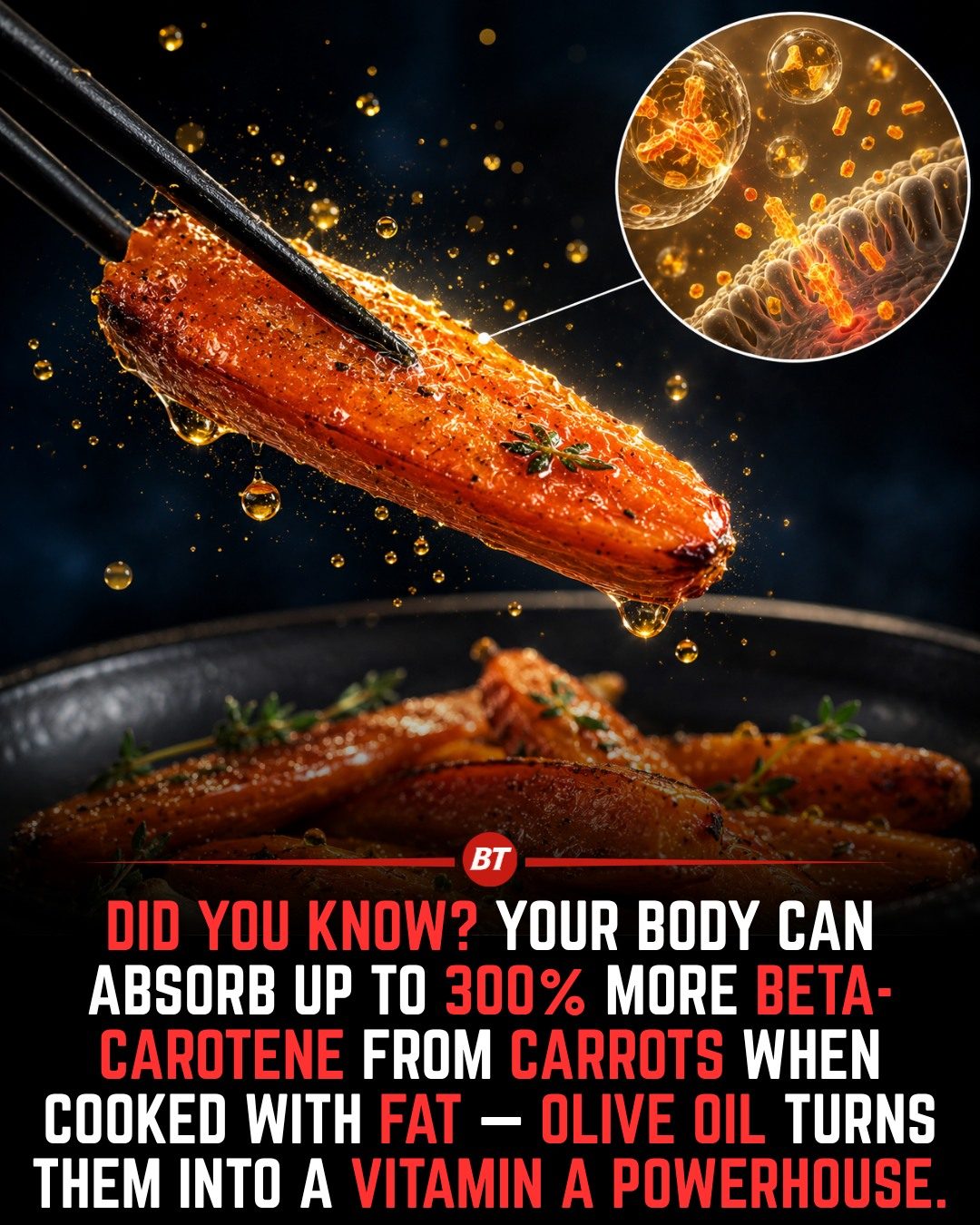
Carrots are a staple in many diets — and for good reason. They are packed with essential nutrients, but did you know that simply cooking them with a bit of fat can dramatically enhance the amount of beta-carotene your body absorbs?
Why This Matters
Carrots are well-known for their vibrant orange color, which comes from a compound called beta-carotene. Here's where it gets interesting: once absorbed into your body, beta-carotene is converted into vitamin A. This nutrient is crucial for various bodily functions, including maintaining healthy vision, supporting immune function, promoting skin health, and ensuring normal cell growth. However, maximizing the absorption of beta-carotene, is where the magic of cooking comes into play.
Simplifying the Science
Understanding Beta-Carotene
Beta-carotene is a carotenoid, a type of pigment found in many plants. It is responsible for the bright orange color in carrots and other similarly colored fruits and vegetables. But its significance goes beyond color — it's a precursor to vitamin A, which is vital for maintaining good health. However, beta-carotene is fat-soluble, meaning it requires fat to be properly absorbed by the body.
The Role of Cooking
Cooking carrots helps break down their tough plant cell walls, making the beta-carotene more accessible. This process is critical because the tough cell walls of raw carrots can hinder the release of beta-carotene, limiting its absorption. When carrots are cooked, these cell walls soften, allowing for easier extraction of the nutrient.
Why Olive Oil Boosts Absorption
Olive oil, being a healthy fat, plays a key role in aiding the body's absorption of beta-carotene. The fat in olive oil helps dissolve the beta-carotene, making it easier to transport through the digestive system and into your bloodstream. This is why cooking carrots with olive oil can significantly boost the amount of beta-carotene your body absorbs.
When you cook carrots with olive oil, the beta-carotene absorption can increase up to three times compared to eating raw carrots without added fat. This is supported by extensive research published in reputable journals like the American Journal of Clinical Nutrition, The Journal of Nutrition, and Molecular Nutrition & Food Research. These studies have shown that cooking carrots with fat can lead to several-fold increases in beta-carotene absorption, with some studies reporting increases of up to 300%.
Practical Tips for Cooking Carrots
Incorporating olive oil into your carrot cooking routine is a simple yet effective way to boost your vitamin A intake. Here are a few methods to try:
Light Steaming
Steaming carrots with a drizzle of olive oil is an excellent way to maintain their natural flavor while enhancing beta-carotene absorption. Add a pinch of salt, black pepper, and fresh herbs like thyme or rosemary for added flavor.
Roasting
Roasting carrots with olive oil can bring out their natural sweetness and intensify their flavor. Toss carrot slices or sticks with olive oil, salt, and your favorite spices, then roast in the oven at 400°F (200°C) until tender and slightly caramelized.
Sautéing
Sautéing carrots in a pan with a bit of olive oil is another quick and easy method. Add minced garlic or other aromatics for extra flavor, and cook until the carrots are tender. You can use a similar technique to create a delicious carrot stir-fry.
Important Takeaways
Cooking carrots with a healthy fat like olive oil is a simple yet powerful way to boost your body's absorption of beta-carotene, transforming this humble vegetable into a potent source of vitamin A. The key takeaways are:
- Carrots are rich in beta-carotene, which the body converts into vitamin A.
- Cooking carrots with olive oil can increase beta-carotene absorption by up to 300%.
- Different cooking methods like steaming, roasting, and sautéing can all enhance the nutritional benefits of carrots when combined with olive oil.
By incorporating these cooking techniques, you can maximize the health benefits of carrots and enjoy a delicious, nutritious meal.
Conclusion
Carrots are more than just a colorful addition to your meals — they are a nutritional powerhouse. By cooking them with olive oil, you can significantly enhance your body's ability to absorb the vital beta-carotene they contain. Whether you steam, roast, or sauté, adding a touch of healthy fat to your cooking routine can make a substantial difference in your nutritional intake. So go ahead, enjoy your carrots, and let your body reap the benefits.
Watch the Reel
Questions readers ask
Why should I cook carrots with fat to enhance their nutritional benefits?
Cooking carrots with a bit of fat, such as olive oil, boosts your body's ability to absorb beta-carotene, a crucial precursor to vitamin A. This method can increase absorption by up to 300%, making it an effective way to enhance the nutritional benefits of carrots.
What are the health benefits of increasing vitamin A intake from carrots?
Increasing vitamin A intake from carrots supports various health benefits, including improved vision, stronger immune function, healthier skin, and normal cell growth and development. Vitamin A plays a critical role in maintaining overall health and well-being.
How does cooking carrots with olive oil improve beta-carotene absorption?
Olive oil helps dissolve beta-carotene, making it more accessible for your body to absorb. By heating carrots with olive oil, you enhance the bioavailability of beta-carotene, ensuring that more of this essential nutrient is converted into vitamin A.
What is the best way to cook carrots to maximize vitamin A intake?
To maximize vitamin A intake, cook carrots with a small amount of fat, such as olive oil. This encourages the release of beta-carotene and improves its absorption. You can sauté, roast, or stir-fry carrots with a bit of oil to achieve this effect.
What role does beta-carotene play in the conversion to vitamin A?
Beta-carotene is a precursor to vitamin A, meaning that once absorbed into the body, it is converted into this essential nutrient. This conversion is crucial for various bodily functions, and cooking carrots with fat helps to maximize this conversion process.
Can cooking carrots with other types of fat besides olive oil achieve the same benefits?
Yes, you can use other types of fats, such as avocado oil, coconut oil, or even butter, to cook carrots and achieve a similar increase in beta-carotene absorption. These fats also help dissolve and absorb beta-carotene, although olive oil is often recommended for its additional health benefits.
How does beta-carotene support overall health and well-being?
Beta-carotene supports overall health and well-being by converting into vitamin A in the body. This nutrient is essential for maintaining healthy vision, supporting immune function, promoting skin health, and ensuring normal cell growth. By cooking carrots with fat, you enhance the absorption of beta-carotene, supporting these vital functions.
Related deep dives
Similar reads based on topic and creator.




Recent articles
Fresh deep dives from the latest Reels we unpacked.




Comments
Be the first to comment.