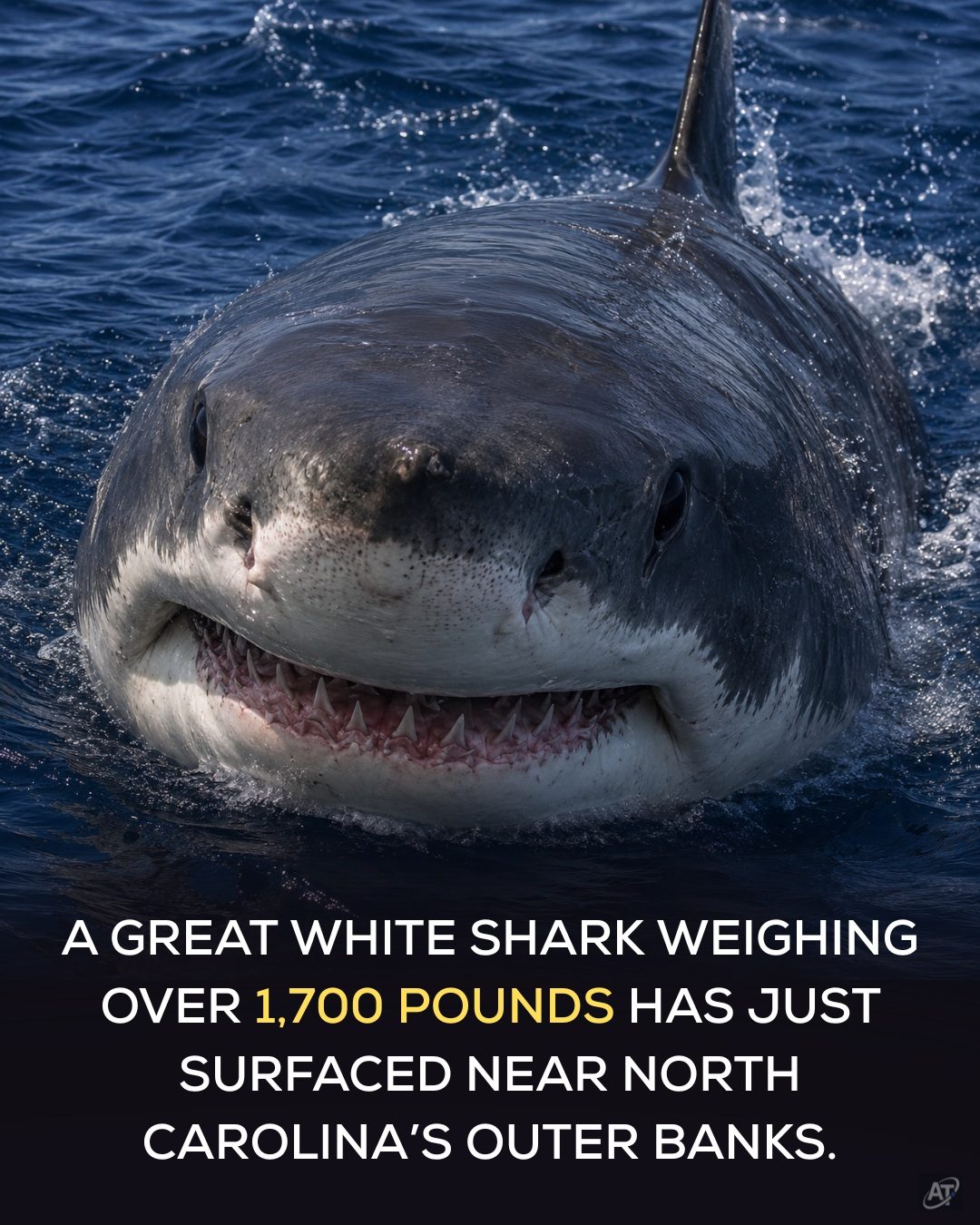
Great White Sharks: Contender's Journey and the Science Behind Their Migration
Watching a great white shark like Contender move through the waters off North Carolina’s Outer Banks is a dramatic reminder of the ocean’s wild and ancient power. Contender, a mature male great white, has been making waves, literally, as he journeys north along the U.S. East Coast. His journey is more than just a spectacle; it’s a window into the mysterious world of these apex predators and the vital roles they play in marine ecosystems.
Why This Matters
Great white sharks are more than just fascinating creatures; they are integral to the health of our oceans. Contender's migrations help scientists understand the broader health of the Atlantic. By tracking these giants, researchers gain insights into oceanic conditions, prey populations, and the overall balance of marine ecosystems.
Great White Sharks: Nature’s Apex Predators
The Life of an Apex Predator
Great white sharks are the largest predatory fish in the sea, known for their size and power. Contender, at nearly 14 feet and 1,700 pounds, is one of the largest male great whites ever tagged in the western North Atlantic. These sharks are at the top of the marine food chain, preying on seals, sea lions, and even other sharks.
Migration Patterns
Contender's journey is part of an ancient migration pattern that great whites have followed for ages. As summer approaches, these sharks move north toward cooler, prey-rich waters. This seasonal migration is driven by the need for food and suitable water temperatures. Contender’s movements provide valuable data on where these sharks travel, feed, and survive, which is crucial for understanding their ecological impact.
Contender’s Journey
Contender was tagged by the marine research group OCEARCH in January 2025 off the Florida-Georgia coast. Since then, he has traveled thousands of miles, providing researchers with a rare glimpse into his movements. The tracking technology used by OCEARCH transmits a signal when the shark’s dorsal fin breaks the surface, allowing scientists to map his journey.
The Science Behind the Track
Contender’s satellite tag sends out a “ping” when it detects the surface, giving researchers a precise location. Each ping is a valuable piece of data that helps scientists understand the shark’s movements. These signals are crucial for tracking the shark’s seasonal migrations, which are influenced by water temperature, prey availability, and other environmental factors.
The Danger of Sharks: Myths and Realities
The idea of a 1,700-pound shark near popular beaches can be frightening. However, it’s important to separate fact from fiction. Great white sharks are not roaming the coasts looking for humans. Their main food sources are marine mammals, and they follow these prey along ancient migration routes.
Shark Bites: Rare but Real
Shark attacks on humans are extremely rare. Understanding the behavior and migration patterns of great whites can help reduce these risks. By studying sharks like Contender, scientists can better understand when and where these encounters might occur, aiding in conservation efforts and public safety.
The Role of Great Whites in Marine Ecosystems
Great white sharks play a crucial role in maintaining the balance of marine ecosystems. As apex predators, they help control the populations of other marine animals, which in turn affects the food chain.
Keeping the Food Web Balanced
By preying on sick or weak animals, great whites help maintain the overall health of marine populations. Their presence ensures that only the fittest animals survive, which is essential for the long-term health of the ecosystem.
Indicators of Ocean Health
The movements and behaviors of great whites can tell scientists a lot about the health of the Atlantic. For example, changes in migration patterns or feeding behaviors can indicate shifts in ocean temperatures or prey populations, which are critical for assessing the overall health of the marine environment.
Practical Tips for Beachgoers
Understanding the behavior of great white sharks can help beachgoers stay safe and appreciate these remarkable creatures.
Staying Safe in Shark Waters
While the risk of a shark attack is low, it’s always a good idea to take precautions. Swim in designated areas, avoid swimming at dawn or dusk when sharks are more active, and never swim alone. If you see a shark, remain calm and move slowly out of the water.
Respecting the Ocean
Be mindful of the ocean’s natural inhabitants. Great whites like Contender are a reminder that the ocean is a wild, ancient place. By respecting marine life, we can help ensure the health of these ecosystems for future generations.
Important Takeaways
When it comes to understanding great white sharks like Contender, there are a few key points to remember. These sharks are powerful predators that play a crucial role in maintaining the balance of marine ecosystems. Their seasonal migrations provide valuable data for scientists, helping us understand the health of our oceans.
Contender’s journey is a reminder that even near familiar beaches, the ocean remains wild and full of giants. By tracking these sharks, we can gain a deeper appreciation for their role in the marine ecosystem and take steps to protect these vital species.
Conclusion
Great white sharks like Contender are more than just awe-inspiring creatures; they are an essential part of the marine ecosystem. Understanding their migration patterns, feeding habits, and role in the food chain helps us appreciate the complexity and beauty of the ocean. Contender's journey is a testament to the wild, ancient world beneath the waves, reminding us that there is still so much to learn and protect within our oceans.
Watch the Reel
Questions readers ask
What is the significance of tracking a great white shark like Contender?
Tracking a great white shark like Contender provides scientists with crucial data on the shark's habits, migration patterns, and the overall health of the Atlantic Ocean. This information is vital for understanding marine ecosystems and aiding in conservation efforts.
How does Contender's migration help in understanding oceanic conditions?
By following Contender's journey, researchers can gain insights into oceanic conditions, including water temperature, currents, and the distribution of prey. This data helps in assessing the broader health of the Atlantic and the impacts of climate change.
Why is the Outer Banks a notable location for great white shark sightings?
The Outer Banks of North Carolina is a significant location for great white shark sightings due to its rich marine life and suitable environmental conditions. The area serves as a crucial habitat and migratory route for these apex predators.
What role do great white sharks play in marine ecosystems?
Great white sharks play a pivotal role in marine ecosystems by regulating the populations of their prey, such as seals and other marine mammals. This helps maintain the balance of the ecosystem, promoting biodiversity and overall health of the ocean.
What kind of information do researchers gather from tracking Contender?
Researchers gather a wealth of information from tracking Contender, including his movement patterns, diving behaviors, and interactions with other marine life. This data is essential for understanding the species' habits and conserving their populations.
How does OCEARCH contribute to shark research in the Outer Banks?
OCEARCH contributes to shark research in the Outer Banks by employing advanced shark tracking technology to monitor the movements of great white sharks. This data helps in studying shark ecology, migration patterns, and supporting conservation efforts in the region.
What are some of the key findings from tracking Contender's migration?
Key findings from tracking Contender's migration include insights into the shark's seasonal movements, preferred habitats, and the impact of environmental factors on its behavior. These findings contribute to a better understanding of great white shark ecology and their role in the Atlantic Ocean.
Related deep dives
Similar reads based on topic and creator.


Recent articles
Fresh deep dives from the latest Reels we unpacked.




Comments
Be the first to comment.