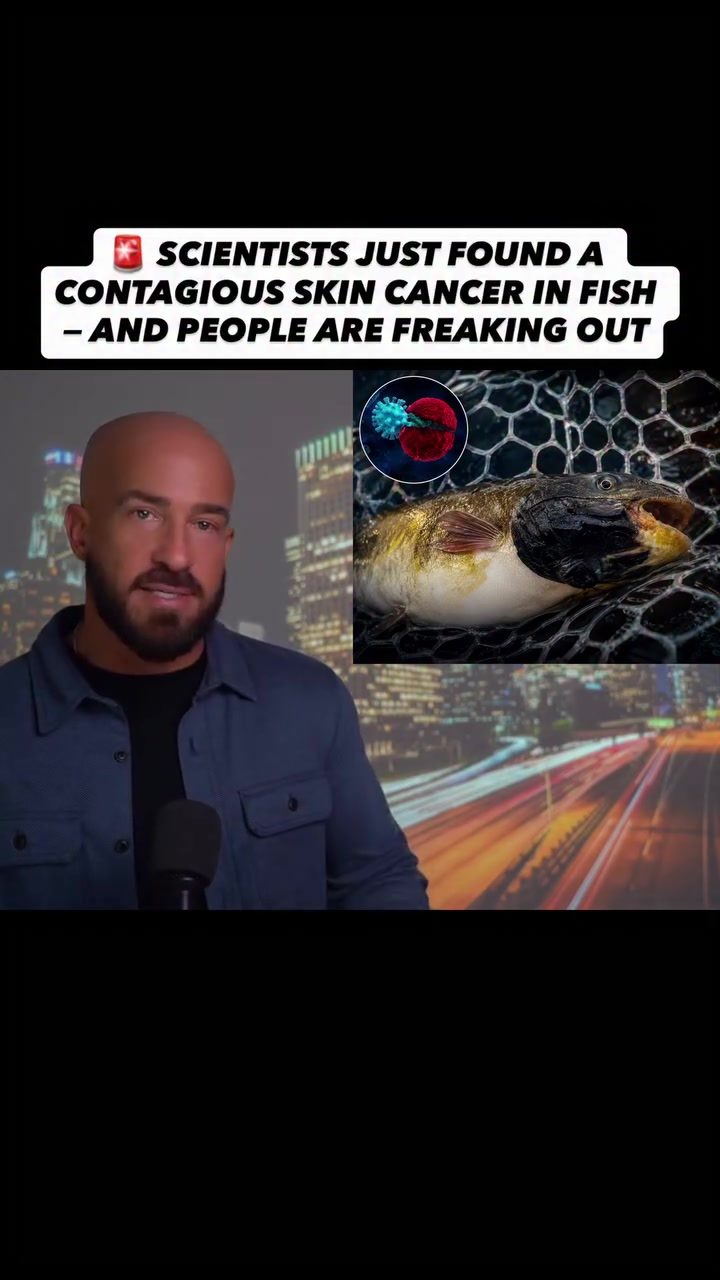
Contagious Skin Cancer in Fish
Scientists have made a startling discovery: a contagious skin cancer affecting bullhead catfish in parts of Canada and the United States. This rare transmissible cancer, identified as a form of melanoma, has sparked significant public interest and concern. As the fourth known contagious cancer documented in the wild, this finding raises important questions about cancer transmission and its potential implications for other species, including humans.
Why this matters
The discovery of a contagious skin cancer in fish is not just a scientific curiosity; it has wide-ranging implications for both wildlife and human health. Understanding how this cancer spreads among fish can provide valuable insights into cancer biology and transmission. Moreover, the potential for similar contagious cancers to emerge in other species, including humans, underscores the need for vigilant research and monitoring.
Main discussion
The Discovery
Researchers at the University of Vermont identified a mysterious black catfish with a skin lesion linked to melanoma, an aggressive form of skin cancer. This discovery is particularly notable because it is only the fourth known instance of a transmissible cancer in the wild.
Characteristics of the Cancer
The cancer in question is a form of melanoma, a type of skin cancer known for its aggressive nature. Researchers have confirmed that this cancer is transmissible among bullhead catfish, meaning it can spread from one fish to another. Importantly, current evidence suggests that the disease does not pose a risk to other species or humans.
Precedents in the Wild
While the discovery in bullhead catfish is alarming, it is not unprecedented. There are three other known instances of contagious cancers in the wild:
- Canine Transmissible Venereal Tumor (CTVT): This cancer spreads between dogs through sexual contact. It is one of the oldest known cancers, with evidence dating back thousands of years.
- Devil Facial Tumor Disease (DFTD): This cancer affects Tasmanian devils and is transmitted through biting. It has had a devastating impact on Tasmanian devil populations.
- Seawater-Transmitted Cancer: This cancer affects marine animals such as mussels, clams, and cockles. It spreads through seawater, highlighting the unique challenges of contagious cancers in aquatic environments.
Public Reaction
The discovery has sparked a mix of fascination and fear among the public. Many people were unaware that cancer could be contagious, and the idea of a transmissible cancer in fish has raised questions about the potential for similar diseases to affect other species, including humans. While researchers have emphasized that there is no known risk to humans, the possibility of a future contagious cancer in humans remains a concern.
Research and Implications
Studying this contagious cancer in bullhead catfish could provide valuable insights into how cancer cells survive and spread. Researchers hope that by understanding the mechanisms behind this transmissible cancer, they can develop strategies to prevent and treat similar diseases in other species. The findings could also contribute to a broader understanding of cancer biology and transmission, potentially leading to new treatments and preventive measures.
Practical tips
While the discovery of a contagious skin cancer in fish is primarily a concern for wildlife, there are practical steps that can be taken to address public concerns and enhance understanding:
- Stay Informed: Keep up-to-date with the latest research and developments related to contagious cancers. Reliable sources of information, such as scientific journals and reputable news outlets, can provide accurate and up-to-date details.
- Support Conservation Efforts: Contagious cancers pose a significant threat to wildlife populations. Supporting conservation efforts can help protect vulnerable species and ecosystems.
- Practice Precautions: While there is no known risk to humans from this particular cancer, it is always prudent to take precautions when handling or consuming fish. Follow local guidelines for fish consumption and handling to minimize any potential risks.
- Encourage Research: Advocating for funding and support for cancer research can help accelerate the development of new treatments and preventive measures. Contagious cancers in wildlife provide a unique opportunity to study cancer transmission and develop broader applications.
Important takeaways
The discovery of a contagious skin cancer in bullhead catfish highlights the complex and ever-evolving nature of cancer. Key takeaways include:
- This is the fourth known instance of a transmissible cancer in the wild.
- The cancer is a form of melanoma and poses no known risk to other species or humans.
- Understanding the mechanisms of this cancer can provide valuable insights into cancer biology and transmission.
- The discovery has sparked public interest and concern, highlighting the need for continued research and education.
- Similar contagious cancers have been documented in dogs, Tasmanian devils, and marine animals, each with unique transmission methods.
Conclusion
The discovery of a contagious skin cancer in bullhead catfish is a significant finding in the field of cancer research. While it raises important questions about the potential for similar cancers to affect other species, it also provides a valuable opportunity to study cancer transmission and develop new treatments. By staying informed, supporting conservation efforts, and encouraging research, we can contribute to a better understanding of this fascinating and alarming phenomenon. As research continues, it is crucial to remain vigilant and proactive in addressing the challenges posed by contagious cancers.
Watch the Reel
Questions readers ask
What is the fourth contagious cancer discovered in the wild and which species is it affecting?
The fourth contagious cancer discovered in the wild is a form of melanoma, affecting bullhead catfish in parts of Canada and the United States. This transmissible disease has raised significant interest and concern due to its contagious nature.
How does contagious cancer in fish spread?
Contagious cancer in fish, like the melanoma affecting bullhead catfish, spreads through direct contact between individuals or through contaminated environments. This transmission can occur when cancer cells are transferred from an infected fish to a healthy one.
What are the symptoms of contagious cancer in bullhead catfish?
The contagious skin cancer in bullhead catfish, a form of melanoma, presents as unusual growths or lesions on the skin. These symptoms can vary in appearance and size, making them potentially difficult to identify without proper inspection.
Why is the discovery of contagious cancer in fish important for wildlife and human health?
Understanding how contagious cancer spreads among fish can provide crucial insights into cancer biology and transmission in other species. This knowledge can help inform strategies to manage and mitigate the risks posed by similar transmissible diseases in both wildlife and human populations.
Is the contagious cancer in bullhead catfish a threat to human health?
While the contagious cancer in bullhead catfish is not directly transmissible to humans, the discovery raises important questions about cancer transmission and potential implications for human health. It serves as a reminder of the interconnectedness of diseases across species and the need for continued research.
What can be done to prevent the spread of contagious cancer in fish populations?
To prevent the spread of contagious cancer in fish populations, it is essential to limit direct contact between infected and uninfected fish. This can be achieved by managing contaminated environments, avoiding the transfer of infected fish to new habitats, and implementing monitoring programs to detect and respond to outbreaks promptly.
What other species are known to have contagious cancer?
Contagious cancer has been documented in a few species, including the Tasmanian devil, the bivalve mollusk known as the mussel, and certain dogs. These cases highlight the potential for cancer to be transmitted among animals and underscore the need for vigilance in wildlife health management.
Recent articles
Fresh deep dives from the latest Reels we unpacked.




Comments
Be the first to comment.