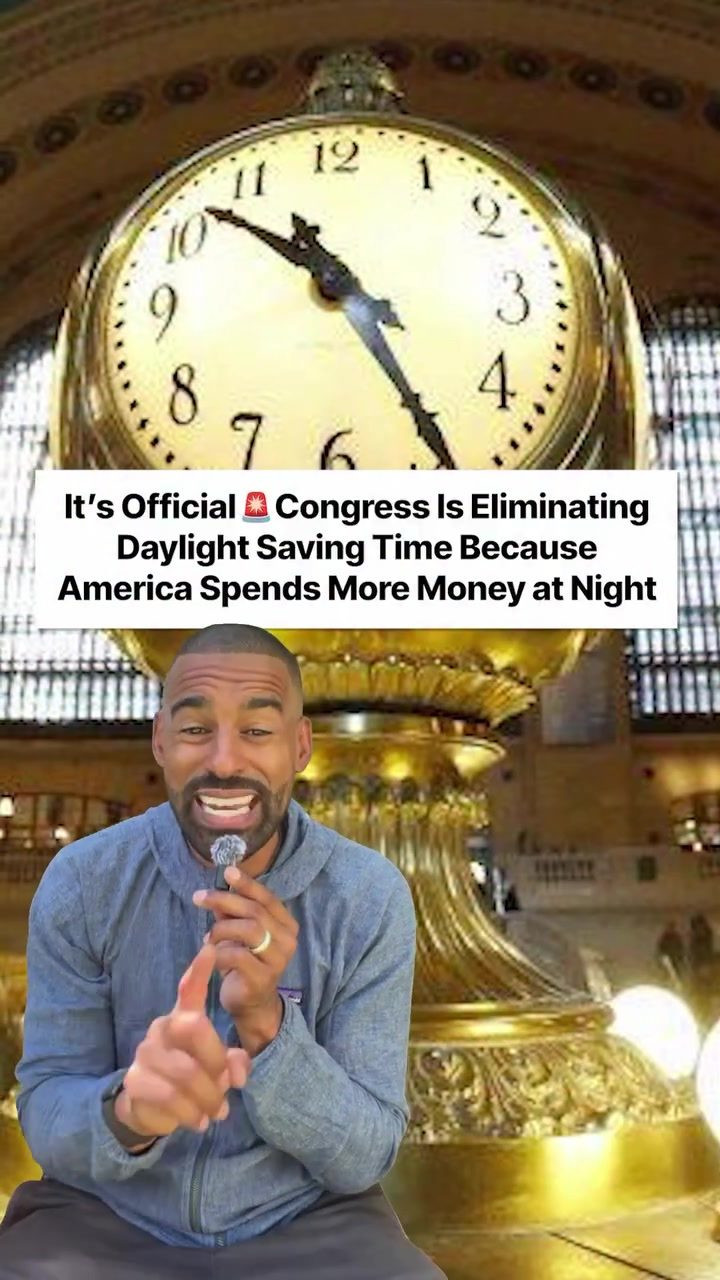
Congress has voted to eliminate daylight saving time, a change that will keep evenings light longer year-round. This decision, driven by economic factors, has significant implications for consumer spending and public health. Let's dive into the reasons behind this shift and its potential impacts.
Context / Why this matters
The elimination of daylight saving time is about more than just convenience. It's about money, specifically evening money. The House of Representatives voted to make daylight saving time permanent, which means no more clock changes twice a year and no more losing an hour of sleep in March. The primary driver behind this change is the economic impact of daylight hours.
Economic implications
Spending behaviors
When clocks spring forward in March, daily spending per person increases by 0.9%. Conversely, when clocks fall back in November, daily spending drops by 3.5%. This discrepancy is significant when you consider the scale of the American population—330 million people. Supermarkets, for instance, lose almost 6% of their daily retail spending the week after we fall back.
This spending difference is driven by the fact that Americans spend dramatically differently based on the amount of daylight left in the day. Breakfast, coffee, and a quick drive-thru are generally less expensive than dinner, drinks, entertainment, restaurants, sporting events, and retail. Every extra hour of evening daylight shifts consumer behavior toward higher-margin spending.
For example, the golf industry generates $200 to $400 million in additional revenue every year from extra evening tee times. Florida, a state that benefits significantly from tourism, pushed for this legislation not because of sleep schedules, but because brighter evenings mean more tourists, more boats on the water, and more money flowing through the economy every day.
Productivity and health
Beyond economic benefits, there's a productivity argument. Every spring, when we lose an hour of sleep, workplace accidents spike, car crashes increase, and heart attacks go up. Our bodies don't instantly adjust to the clock change, leading to significant economic losses from accidents and health issues. Eliminating the switch saves lives and reduces billions in economic losses from these incidents.
Practical tips
If you're a business owner or industry leader, understanding these shifts in consumer behavior can help you capitalize on the changes. Here are some practical tips:
Adjust your business hours
With longer evenings, consider extending your business hours. This can attract more customers who are out and about due to the extra daylight.
Promote evening activities
If you're in the entertainment or tourism industry, promote evening activities. People are more likely to spend money on experiences when they have more daylight to enjoy them.
Focus on retail strategies
Retailers should focus on high-margin products and experiences that people are more likely to purchase in the evening. Think about offering promotions or special events during evening hours to drive more sales.
Important takeaways
- Daylight saving time is being eliminated to boost economic activity.
- Evening spending is higher, and the elimination of daylight saving time will keep evenings light longer, potentially increasing consumer spending.
- The change has significant implications for various industries, from retail to tourism.
- Adjusting business strategies to accommodate these changes can lead to increased revenue.
Conclusion
The elimination of daylight saving time is a significant shift that will impact many aspects of everyday life and business. By understanding the economic and behavioral changes that come with this decision, individuals and businesses can better prepare and capitalize on the opportunities it presents.
Watch the Reel
Questions readers ask
What are the primary economic benefits driving the end of daylight saving time?
The primary economic benefits include increased consumer spending and tourism. Longer evenings throughout the year are expected to encourage more spending, as people are likely to engage in more leisure activities, shopping, and dining out. Additionally, the tourism industry may see gains as destinations become more attractive with extended daylight.
Why is the elimination of daylight saving time expected to boost consumer spending?
The elimination of daylight saving time is expected to boost consumer spending because it keeps evenings light longer, encouraging more outdoor activities and socializing, which often involves spending money on entertainment, dining, and shopping.
How will eliminating daylight saving time affect public health?
Eliminating daylight saving time can improve public health by reducing the disruption caused by biannual time changes, which can lead to better sleep patterns and a decrease in related health issues. Additionally, more daylight in the evenings can encourage more physical activity, potentially leading to a healthier population.
What impacts will eliminating daylight saving time have on productivity?
Eliminating daylight saving time can boost productivity by reducing the disruption caused by changing the clocks. Maintaining a consistent time throughout the year can lead to better sleep patterns and improved overall health, which are both crucial for maintaining productivity. Additionally, longer evenings can provide more opportunities for both work and leisure activities.
How does daylight saving time impact tourism?
Daylight saving time impacts tourism by making destinations more appealing during the evenings, which is a prime time for leisure activities. Longer daylight hours in the evenings can attract more tourists to explore outdoor attractions, dine at restaurants, and engage in other evening activities, boosting local economies.
When will the change to permanent daylight saving time occur?
The exact timeline for the change to permanent daylight saving time depends on further legislative processes. Once Congress passes the necessary bills and the President signs them into law, states will have time to transition to the new system, which is expected to happen in the next few years.
Related deep dives
Similar reads based on topic and creator.
Recent articles
Fresh deep dives from the latest Reels we unpacked.




Comments
Be the first to comment.