Community Garden Harvest: Sharing Bounty and Reducing Waste
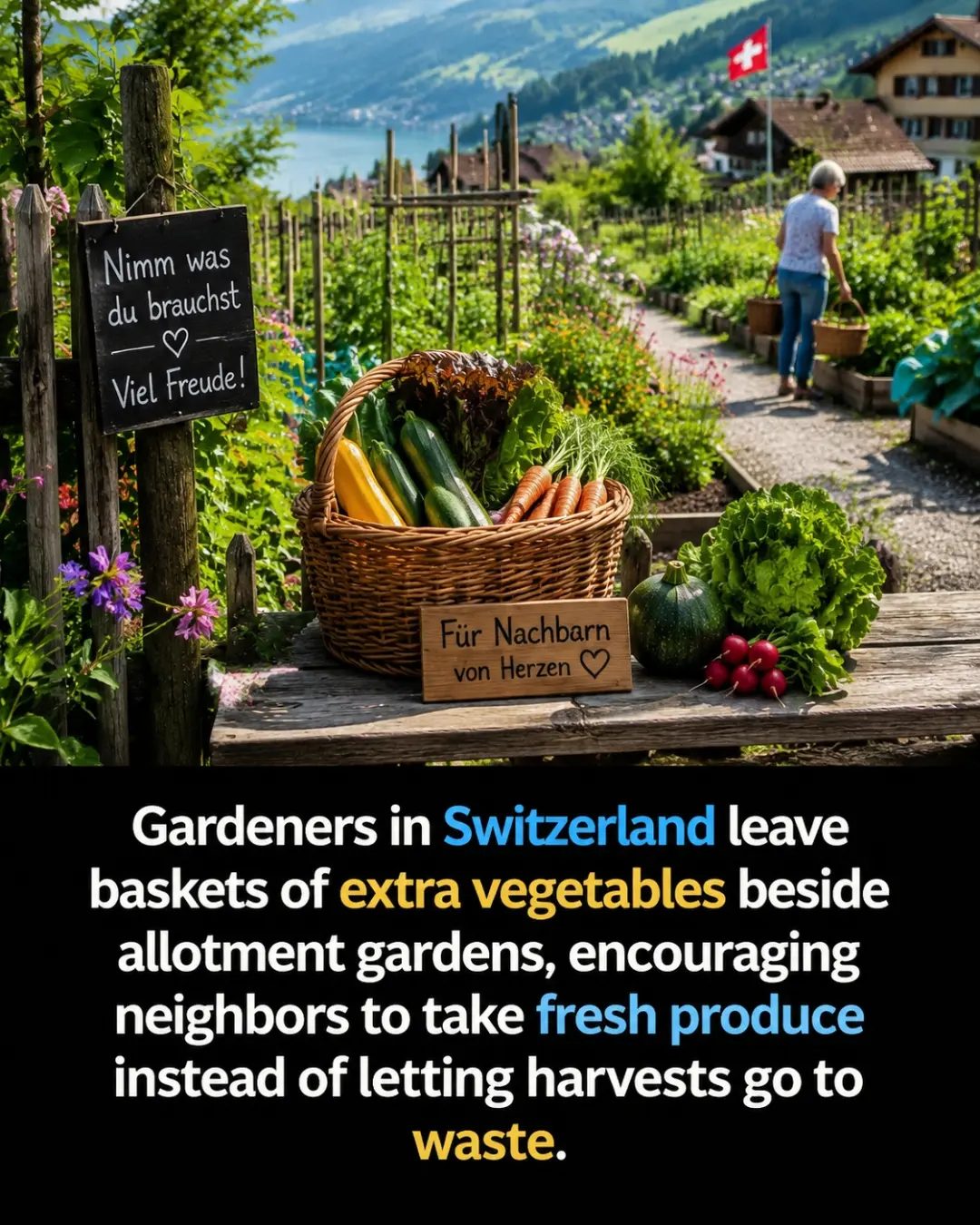
Community gardens have long been spaces where people come together to grow fresh produce, but in Switzerland, these gardens are also becoming hubs for sharing and reducing food waste. Gardeners in Switzerland are leaving baskets of extra vegetables beside their allotment gardens, encouraging neighbors to take fresh produce instead of letting harvests go to waste. This initiative not only helps to reduce food waste but also fosters a sense of community and mutual support.
Why This Matters
Food waste is a significant global issue, with a substantial amount of produce being discarded each year. Community gardens in Switzerland are taking proactive steps to address this problem. By placing baskets of fresh vegetables alongside garden plots, gardeners are ensuring that excess produce does not go to waste. This initiative also highlights the importance of community involvement and sustainable practices in urban and suburban areas.
Community Gardens and Food Sharing
The Baskets of Abundance
The heart of this initiative lies in the baskets of fresh vegetables placed alongside the garden plots. These baskets are filled with a variety of seasonal produce, including lettuce, tomatoes, carrots, and more. The produce is carefully selected to ensure it is fresh and ready for consumption, making it an ideal resource for neighbors in need.
Encouraging Neighborly Sharing
A key aspect of this initiative is the encouragement for neighbors to take what they need. This is evident in the on-screen text "Nimm was du brauchst," which translates to "Take what you need." This phrase underscores the spirit of sharing and community support that drives the initiative. By removing the stigma of asking for help, neighbors are more likely to participate, ensuring that the produce does not go to waste.
The Role of Signage
Signs posted alongside the baskets play a crucial role in communicating the initiative to the community. They provide clear instructions and a warm invitation, indicating that the produce is there for the taking. The signage also serves as a reminder of the gardeners' commitment to reducing food waste and supporting their neighbors.
Practical Tips for Starting a Community Garden Harvest
Assess Local Demand
Before starting a community garden harvest initiative, it is essential to assess the local demand. Speak with neighbors to understand their interest and needs. This will help ensure that the initiative is well-received and that the baskets of vegetables are not left untouched.
Choose the Right Produce
Select a variety of easy-to-grow, hardy vegetables that are suitable for the local climate. This will increase the likelihood of a successful harvest and ensure that there is always fresh produce available for neighbors.
Create Clear Signage
Clear and inviting signage is crucial for the success of the initiative. Use phrases that encourage neighbors to take what they need and remind them that the produce is there to help reduce food waste. Make sure the signage is visible and easy to understand.
Promote the Initiative
Spread the word about the community garden harvest initiative through local community boards, social media, and word-of-mouth. Encourage gardeners to share their experiences and the impact of the initiative on their community.
Important Takeaways
- Community gardens in Switzerland are taking proactive steps to reduce food waste by sharing extra produce with neighbors.
- Baskets of fresh vegetables are placed alongside garden plots, encouraging neighbors to take what they need.
- Clear and inviting signage plays a crucial role in communicating the initiative and encouraging participation.
- Assessing local demand and choosing the right produce are key factors in the success of the initiative.
- Promoting the initiative through various channels helps to increase awareness and participation in the community.
Conclusion
Community gardens in Switzerland are leading the way in reducing food waste and fostering community spirit. By sharing their harvest with neighbors, gardeners are making a significant impact on their local communities. This initiative serves as a reminder of the power of community involvement and sustainable practices in addressing global issues. Whether you are a seasoned gardener or just starting out, consider how you can contribute to reducing food waste and sharing abundance with your neighbors.
Watch the Reel
Questions readers ask
How do community gardens in Switzerland help to reduce food waste?
Community gardens in Switzerland combat food waste by encouraging gardeners to place baskets of excess vegetables near their plots. This allows neighbors to take home fresh produce that might otherwise go to waste, promoting sustainable living and reducing discarded harvests.
What are the benefits of the sharing initiative in Swiss community gardens?
The sharing initiative in Swiss community gardens fosters a stronger sense of community and mutual support. It encourages neighbors to interact, share resources, and enjoy fresh, locally grown produce while also promoting sustainable gardening practices.
How can neighbors participate in the community garden sharing initiative?
Neighbors can participate by checking the baskets placed beside community garden plots for excess vegetables. If they see produce they would like, they can take it home. Some gardens may have specific instructions or guidelines for sharing, so it's a good idea to familiarize yourself with those.
What types of fresh vegetables are typically found in the sharing baskets?
The types of vegetables found in the sharing baskets can vary greatly depending on the season and what the gardeners are cultivating. Common finds might include lettuce, tomatoes, cucumbers, zucchini, and a variety of herbs. The produce is usually fresh and locally grown.
Are there any rules or guidelines for taking vegetables from the sharing baskets?
While specific rules may vary by garden, the general guideline is to take only what you will use and leave enough for others. Some gardens may have signs or instructions posted nearby, so it's important to pay attention to those details. If you're unsure, don't hesitate to ask the gardeners for clarification.
How does the sharing initiative in Swiss community gardens promote sustainable living?
The sharing initiative promotes sustainable living by reducing food waste and encouraging the consumption of locally grown, fresh produce. By sharing excess harvests, gardeners help to minimize the environmental impact of food waste and foster a culture of resource sharing within the community.
Can non-gardeners in the neighborhood benefit from the community garden sharing initiative?
Yes, non-gardeners can certainly benefit from the community garden sharing initiative. The baskets of fresh vegetables are meant for anyone in the neighborhood to enjoy, so even if you don't have a plot in the garden, you can still take advantage of the shared produce and enjoy the benefits of the community's sustainable gardening practices.
Related deep dives
Similar reads based on topic and creator.

Recent articles
Fresh deep dives from the latest Reels we unpacked.




Comments
Be the first to comment.