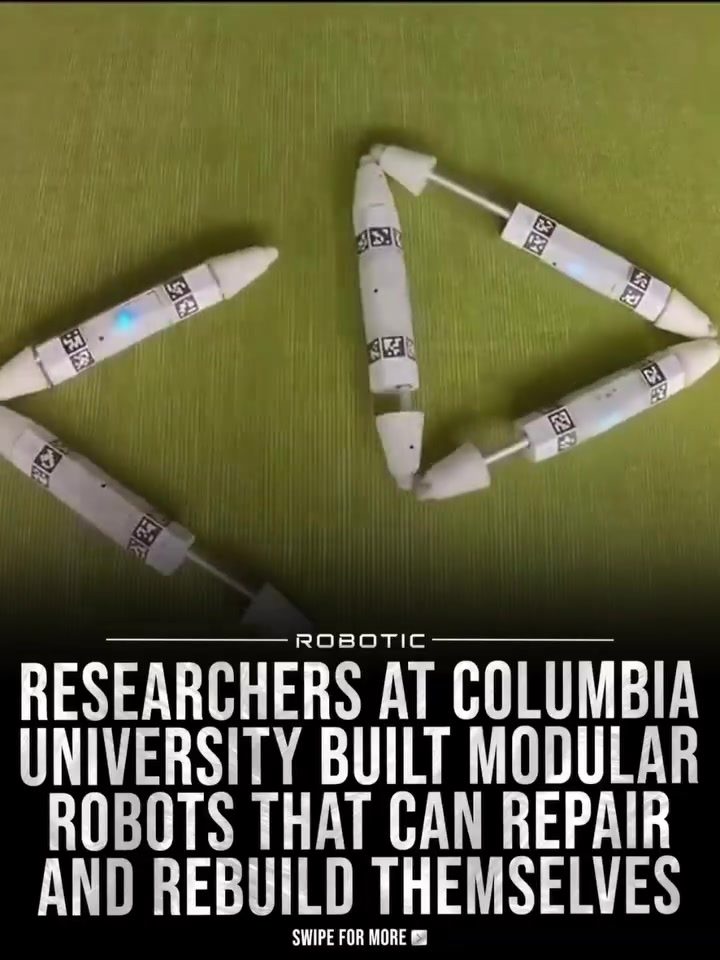
Modular Robots: The Future of Adaptable Automation
Modular robots represent a groundbreaking advancement in robotics, pushing the boundaries of what machines can achieve. These innovative creations are designed to adapt, repair, and evolve over time, paving the way for a new era of automation.
Context: Why Modular Robots Matter
Robotics has always been about creating machines that can perform tasks autonomously. Traditionally, robots have been built with a fixed design, tailored to specific tasks. However, the concept of modular robots introduces a dynamic approach. Instead of being limited to a single purpose, modular robots can reconfigure themselves to adapt to new challenges and environments.
This adaptability is crucial in scenarios where human intervention is difficult or impossible. For instance, in space exploration, disaster response, or deep-sea missions, the ability of robots to repair and rebuild themselves can significantly enhance their operational capabilities and longevity.
What are Modular Robots?
Modular robots are composed of small, interconnected modules that can rearrange themselves to form different shapes and configurations. These modules are often magnetic and rod-like, allowing them to connect, assemble, and integrate new components seamlessly. This biological-inspired concept, known as robot metabolism, enables modular robots to grow stronger and more capable over time.
The Truss Link Prototype
One of the most notable examples of this technology is the Truss Link prototype developed by researchers at Columbia University's Creative Machines Lab. Truss Link is designed to combine with parts from other robots, creating a more versatile and capable system. The modular design allows these robots to form 3D structures and use absorbed parts as functional tools, enhancing their performance on tasks such as climbing.
Key Features of Modular Robots
- Self-Repair: One of the standout features of modular robots is their ability to repair and rebuild themselves. This self-repair capability is achieved through the rearrangement of modules, which can compensate for any damaged or missing parts.
- Adaptability: Modular robots can adapt to new environments and tasks by rearranging their modules. This adaptability makes them highly versatile and suitable for a wide range of applications.
- Evolution: Over time, modular robots can evolve their physical abilities by integrating new components. This evolution allows them to tackle more complex tasks and improve their overall performance.
Practical Tips for Understanding and Utilizing Modular Robots
- Educational Background: A solid understanding of robotics, mechanics, and programming is essential for developing and utilizing modular robots. Familiarity with concepts like robot metabolism and modular design can provide a strong foundation.
- Experimentation: Engaging in hands-on experimentation with modular robot kits can offer valuable insights into their functionality and potential applications. Building and reprogramming these robots can help you understand their adaptability and self-repair mechanisms.
- Collaboration: Collaborating with researchers and engineers in the field of robotics can provide access to the latest developments and technologies. Engaging with academic institutions and research labs can offer opportunities to learn from experts and contribute to ongoing projects.
Important Takeaways
Modular robots represent a significant leap forward in the field of automation. Their ability to repair, adapt, and evolve makes them ideal for a wide range of applications, from space exploration to disaster response. The Truss Link prototype and other similar projects highlight the potential of modular robotics in enhancing operational capabilities and longevity.
Conclusion
The development of modular robots is a testament to the innovative spirit of modern robotics. By embracing the concept of adaptability and self-repair, these machines are paving the way for a future where robots can maintain themselves, evolve, and tackle new challenges. As research continues, the potential applications of modular robots are set to expand, revolutionizing industries and opening new frontiers in automation.
Watch the Reel
Questions readers ask
What makes Columbia University's modular robots unique?
Columbia University's modular robots stand out due to their ability to reconfigure, repair, and grow over time. This adaptability allows them to tackle a wide range of tasks and environments, making them highly versatile compared to traditional fixed-design robots.
How do self-repairing capabilities benefit space exploration?
Self-repairing capabilities are vital in space exploration where immediate human intervention is often impossible. These robots can fix damages and maintain functionality, ensuring the success of long-term missions without requiring constant repair from humans.
Can modular robots be used in disaster response, and if so, how?
Yes, modular robots are particularly useful in disaster response. Their ability to adapt and reconfigure allows them to navigate through debris and hazardous environments, perform search and rescue operations, and assist in recovery efforts in ways that traditional robots cannot.
What are the key advantages of modular robot design?
The key advantages include adaptability to changing tasks and environments, the ability to self-repair and maintain functionality, and the potential for growth and expansion over time, making these robots highly versatile and resilient.
How do modular robots grow over time, and what does this involve?
Modular robots grow by adding new modules to their existing structure. This process can involve integrating additional sensors, actuators, or other components that enhance the robot's capabilities, allowing it to perform more complex tasks and adapt to new challenges.
What are the primary applications of Columbia University's modular robots?
The primary applications include space exploration, where their self-repairing capabilities are crucial, and disaster response, where adaptability and reconfiguration are essential for navigating and operating in hazardous environments.
Who is behind the development of these modular robots?
The development of these modular robots is led by researchers at Columbia University, who have pioneered this innovative approach in robotics. Their work focuses on creating adaptable machines that can reconfigure and repair themselves to enhance capabilities over time.
Related deep dives
Similar reads based on topic and creator.



Recent articles
Fresh deep dives from the latest Reels we unpacked.




Comments
Be the first to comment.