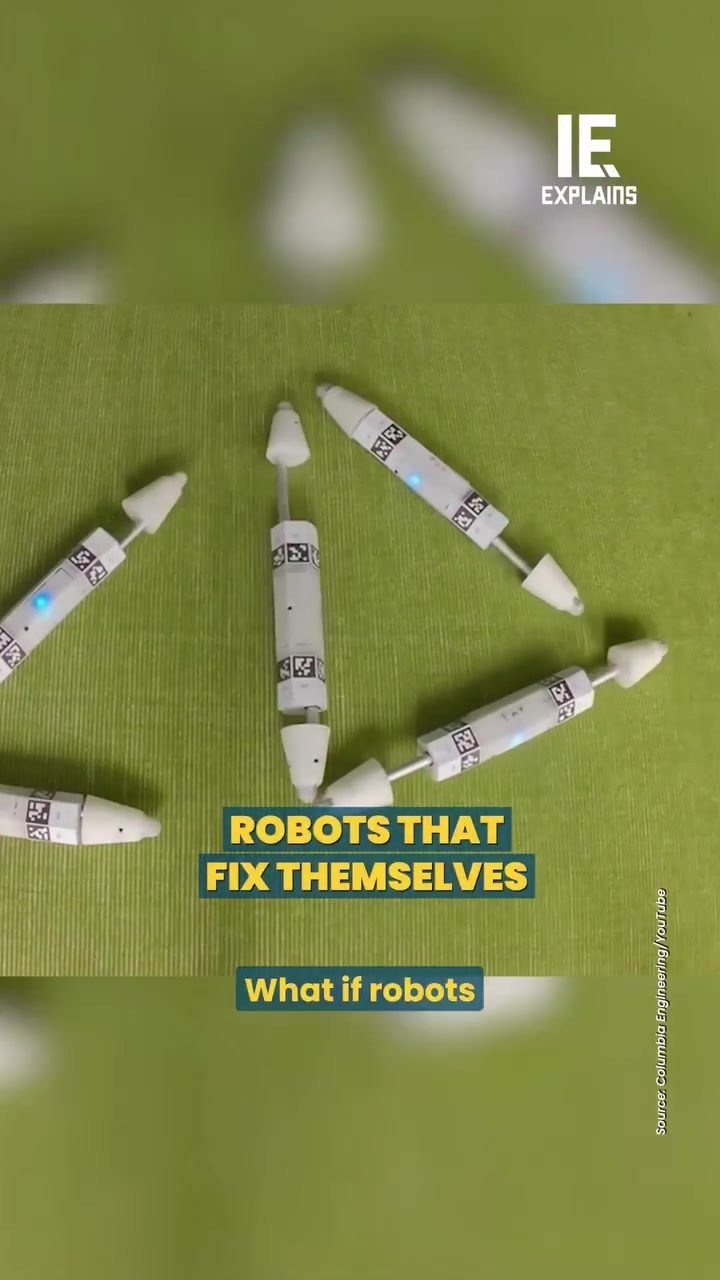
Self-Repairing Robots
Self-repairing robots are no longer a distant dream. Researchers at Columbia Engineering have introduced a revolutionary process called "robot metabolism." This innovation allows robots to physically grow, heal, and upgrade by absorbing parts from their environment or from other robots. This groundbreaking concept is inspired by biology, where living organisms grow by absorbing and reusing materials from their surroundings. By mimicking this natural process, these robots can autonomously repair and reconfigure themselves, potentially transforming the way we interact with and utilize machines.
Why This Matters
Imagine a world where robots can fix themselves, build new structures, and even evolve without human intervention. This future is closer than we think, thanks to advancements in robotics. The ability of robots to repair and upgrade themselves has significant implications for various industries, including manufacturing, healthcare, and environmental conservation. By reducing the need for human maintenance, self-repairing robots can increase efficiency, lower costs, and enhance safety.
Main Discussion
Inspiration from Biology
The concept of robot metabolism is deeply rooted in biology. Just as living organisms absorb nutrients from their environment to grow and heal, these robots use magnetic building blocks called truss links. These blocks snap together, expand, and contract to form complex 3D structures. This modular design allows the robots to autonomously repair and reconfigure themselves, adapting to their surroundings and evolving in response to their environment.
Self-Repair and Evolution
One of the most compelling demonstrations of this technology involves a tetrahedron-shaped robot. In a test, this robot grew itself a walking stick, instantly becoming 66.5% faster going downhill. This capability showcases the potential of self-repairing robots to enhance their performance and adapt to different terrains and conditions. By autonomously adjusting their structures, these robots can optimize their functionality and efficiency.
Modular Design and Adaptability
The modular design of these robots is a key feature of their adaptability. Truss links allow the robots to rearrange their components, creating new structures and configurations as needed. This modularity enables the robots to not only repair themselves but also to evolve and improve over time. By absorbing parts from their environment or from other machines, they can continuously upgrade and enhance their capabilities.
The Future of Robotics
The research on robot metabolism, published in the journal Science Advances, suggests that if this technology works at scale, we may be heading towards a world where robots can build, fix, and evolve without human intervention. This future holds immense potential for various industries, from manufacturing and healthcare to environmental conservation and space exploration. Robots that can autonomously repair and upgrade themselves could revolutionize the way we use technology, making it more efficient, reliable, and adaptable.
Practical Tips
While self-repairing robots are still in the developmental phase, there are several practical tips to consider for those interested in this emerging field:
- Stay Informed: Keep an eye on the latest research and developments in robotics, particularly in the areas of self-repair and modular design. Publications like Science Advances often feature groundbreaking studies in this field.
- Invest in Modular Technologies: For businesses looking to incorporate self-repairing robots, investing in modular technologies can be a strategic move. These systems allow for easier upgrades and repairs, making them more adaptable to future advancements.
- Explore Collaborative Research: Partnerships with academic institutions and research labs can provide valuable insights and access to cutting-edge technologies. Collaborating with experts in the field can accelerate the development and implementation of self-repairing robots.
Important Takeaways
Self-repairing robots represent a significant leap forward in the field of robotics. By mimicking natural biological processes, these robots can autonomously repair, rebuild, and evolve. The implications of this technology are vast, with potential applications in manufacturing, healthcare, and environmental conservation. As this technology continues to develop, it could transform the way we use and interact with machines, making them more efficient, reliable, and adaptable.
Conclusion
The introduction of robot metabolism by Columbia Engineering is a game-changer in the world of robotics. This innovative process allows robots to repair themselves, build new structures, and evolve without human intervention. By drawing inspiration from biological processes, these self-repairing robots hold the promise of a future where machines can adapt and improve autonomously. As research and development continue, the potential applications and benefits of this technology will only grow, paving the way for a more efficient and sustainable world.
Watch the Reel
Questions readers ask
How do Columbia Engineering's self-repairing robots absorb materials from their environment?
The robots utilize a process called 'robot metabolism,' which allows them to take in materials from their surroundings, similar to how biological organisms grow and heal. This absorption enables them to repair themselves, grow, and even upgrade autonomously without human intervention.
What are the potential applications of these self-repairing robots in manufacturing?
In manufacturing, these robots could revolutionize production lines by maintaining and repairing themselves, reducing downtime and maintenance costs. They could also adapt to changes in production needs by reconfiguring their structures and functions autonomously.
Can these robots help in healthcare, and if so, how?
Yes, self-repairing robots have significant potential in healthcare. They could be used to create adaptive medical devices that can grow or change shape as a patient's needs evolve. They could also be employed in minimally invasive surgeries, where their self-repairing capabilities could ensure they remain functional throughout complex procedures.
How do the self-repairing robots at Columbia Engineering mimic biological processes?
The robots mimic biological processes by absorbing and reusing materials from their environment, much like how living organisms grow and heal. This 'robot metabolism' allows them to repair damage, grow in size, and even upgrade their capabilities autonomously, mimicking the adaptive nature of biological systems.
What is the 'robot tetrahedron structure' mentioned in the research?
The 'robot tetrahedron structure' refers to the basic unit or shape used in the design of these self-repairing robots. This structure allows the robots to efficiently absorb materials and reconfigure themselves, making it a fundamental aspect of their self-repairing and self-upgrading capabilities.
What advantages do self-repairing robots offer over traditional robots?
Self-repairing robots offer several advantages, including reduced maintenance requirements, extended lifespan, and the ability to adapt to changes in their environment or tasks. These robots can repair themselves when damaged, grow when more capacity is needed, and even upgrade their capabilities, making them more versatile and durable than traditional robots.
Related deep dives
Similar reads based on topic and creator.


Recent articles
Fresh deep dives from the latest Reels we unpacked.




Comments
Be the first to comment.