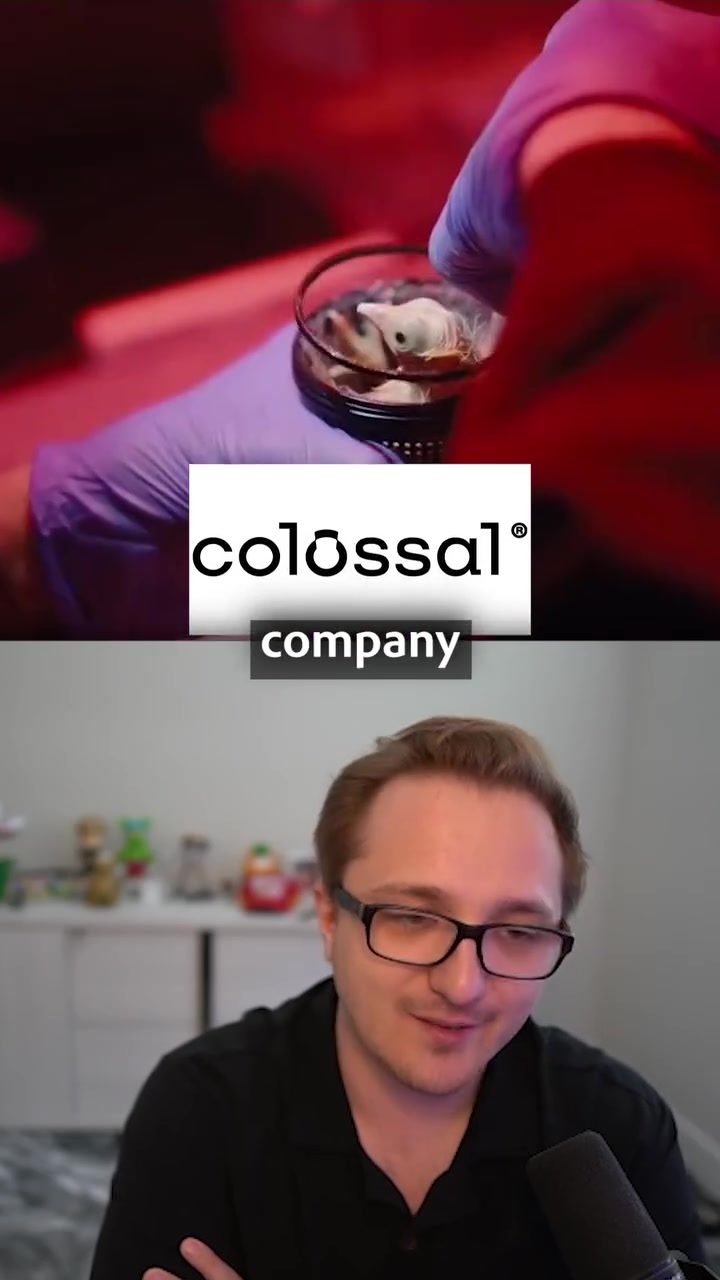
The South Island Giant Moa: A Glimpse into Colossal Bioscience's Revolutionary Work
The South Island Giant Moa, scientifically known as Dinornis robustus, is an extinct bird species native to New Zealand. However, recent advancements in biotechnology have brought the possibility of reviving this prehistoric creature back into the spotlight. Colossal Bioscience, a pioneering tech company, has made significant strides in this area, capturing global attention with their groundbreaking work.
Context: Colossal's Goal in Historical Creature Resurrection
Colossal Bioscience's ambition extends beyond the mere revival of extinct species. The company is driven by a vision to create a more biodiverse future and safeguard endangered birds. Their work is not just about bringing back the past but also about understanding the intricacies of life and evolution.
The Technology Behind the Resurrection
Artificial Eggs and DNA Fertilization
At the heart of Colossal's strategy lies a revolutionary concept: artificial eggs. The tech company has successfully invented an artificial egg capable of fertilizing through DNA to produce a living chicken. This process does not require a traditional mother or father and does not rely on real eggs. The artificial egg is generated from DNA and incubated at room temperature, making it a remarkable feat of science.
The Journey of the South Island Giant Moa
The South Island Giant Moa, a creature that roamed during the Pleistocene-Holocene epoch, is one of the extinct birds Colossal aims to bring back. This moa species was one of the largest birds in the world. The creation of an artificial egg tailored to the moa aims to eventually hatch a living moa, marking a significant milestone in biotechnology and conservation efforts.
The Importance of the South Island Giant Moa
The moa was a critical part of New Zealand's ecosystem before its extinction. These flightless birds, which could grow up to 3.6 meters (12 feet) tall, were an essential part of the forest and grassland ecosystems. The male and female moas differed significantly in size, with females being notably larger than males.
By bringing the moa back, scientists hope to restore the ecological balance that existed thousands of years ago. This endeavor not only brings a piece of history back to life but also provides valuable insights into genetic engineering and conservation biology.
Practical Tips: Immersing in the Science of Extinct Creatures
Learning Resources on Extinct Birds
For those interested in delving deeper into the science of extinct birds, several resources can provide a comprehensive understanding. Books like The Lost World of the Moa by Trevor H. Worthy and Alan Cooper offer in-depth information on the moa and other extinct birds. Additionally, documentaries and scientific journals can provide a wealth of knowledge.
Engaging with Conservation Efforts
Engaging with organizations involved in conservation efforts can offer hands-on experience and a deeper understanding of the challenges and triumphs in the field. Groups like the International Union for Conservation of Nature (IUCN) and BirdLife International provide opportunities to contribute to conservation efforts.
Supporting Technological Advancements
Supporting organizations that are at the forefront of technological advancements in biotechnology can be another way to engage. Contributing to research or donating to initiatives like those at Colossal Bioscience can help drive further innovations in this field. It’s a direct way to be part of the future of biotechnology and conservation.
Important Takeaways
Important Takeaways
The work being done by Colossal Bioscience is groundbreaking and represents a new frontier in biotechnology. By successfully creating artificial eggs and using DNA fertilization, they are paving the way for the revival of extinct species, starting with the South Island Giant Moa. This process not only brings back a piece of history but also provides valuable insights into genetic engineering and conservation biology.
Ethical and Scientific Implications
The ethical and scientific implications of reviving extinct species are vast. While it opens up new possibilities for conservation and biodiversity, it also raises questions about the ethical boundaries of genetic engineering. The debate around de-extinction is one that involves scientists, ethicists, and the public alike.
Future Prospects
The future of this technology holds immense potential. If successful, it could lead to the revival of many other extinct species, beyond just the moa. This would not only restore lost biodiversity but also provide a deeper understanding of the Earth's history and the impacts of human activity on the planet.
Conclusion
The South Island Giant Moa, an iconic symbol of New Zealand's natural history, is on the brink of being brought back to life through the pioneering work of Colossal Bioscience. Their work on artificial eggs and DNA fertilization represents a significant leap forward in biotechnology. This endeavor not only aims to revive extinct species but also to contribute to the broader goals of biodiversity and conservation. As we continue to explore the boundaries of what is possible, the revival of the moa serves as a testament to human ingenuity and our responsibility to the planet.
Watch the Reel
Questions readers ask
What is the South Island Giant Moa and why is its revival significant?
The South Island Giant Moa, or *Dinornis robustus*, is an extinct bird species from New Zealand. Its revival is significant because it represents a major advancement in biotechnology and offers a unique opportunity to restore a lost species, contributing to biodiversity.
How does Colossal Bioscience plan to revive the South Island Giant Moa?
Colossal Bioscience utilizes innovative biotechnology, including the use of artificial eggs and DNA fertilization. This process involves combining the DNA of the extinct bird with that of a close living relative, such as a chicken, to create a viable embryo.
What is the broader vision of Colossal Bioscience beyond the Giant Moa revival?
Colossal Bioscience's broader vision is to enhance biodiversity and protect endangered bird species. The company aims to use its technology to safeguard at-risk species and create a more biodiverse future, not just to revive extinct animals, but also to support the preservation of present-day wildlife.
What challenges might Colossal Bioscience face in their Moa restoration project?
The primary challenges include the successful integration of extinct DNA into a living organism, ensuring the health and viability of the resulting creature, and addressing ethical and ecological concerns surrounding the reintroduction of an extinct species into modern ecosystems.
How does the revival of the South Island Giant Moa contribute to conservation efforts?
The revival of the South Island Giant Moa can inspire new conservation approaches and provide insights into the genetic makeup of extinct species. Additionally, the technology developed for this project could be applied to safeguard and preserve other endangered species, thus bolstering broader conservation initiatives.
What role does DNA play in the revival of the South Island Giant Moa?
DNA plays a crucial role in the revival process. Colossal Bioscience uses preserved DNA from ancient Moa remains to recreate the genome of the extinct bird. This DNA is then integrated into the genome of a living relative, with the goal of developing a viable embryo that can hatch and grow into a living Moa.
Related deep dives
Similar reads based on topic and creator.




Recent articles
Fresh deep dives from the latest Reels we unpacked.




Comments
Be the first to comment.