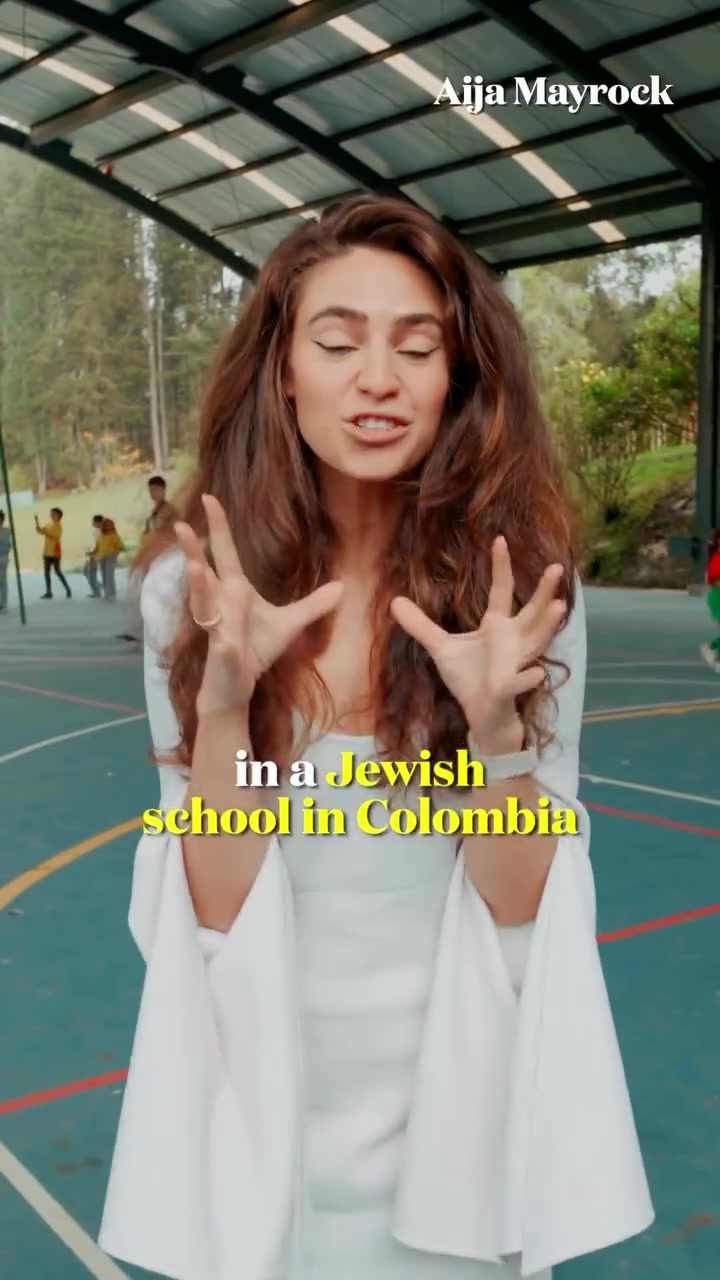
Aija Mayrock: The Power of Inclusivity in Education
Nestled in Colombia, there is a Jewish school where 90% of the students are not Jewish. This is where Aija Mayrock finds herself, a Catholic who attends a Jewish school. This unique blend of cultures and backgrounds is part of a broader approach at the school, where the curriculum embraces a multi-religious ethos. A Jewish school for Catholic kids, that's a thing.
The Multi-Faith College Model
Colombian Jewish school students learn about religions and their impact on the world, but a significant shift from the past is happening. Now the school has 90% non-Jewish students, an unexpected change due to the decline in the Jewish community. Jewish students used to be the primary population at this school, learning their culture and gaining an education. Today, the school teaches Hebrew to every student, including those who identify as Christian, Catholic, or who don't follow any religion. Mayrock explains that students can learn about Christianity ("I'm Catholic, but I go to a Jewish school"), Catholicism, Judaism, or human development if they prefer not to learn about religion. Each student gets to select the religion they want to study, creating a diverse learning environment.
The Happier School Program
The school teaches students that in order to become happier, they must focus on five elements: spiritual, intellectual, emotional, physical, and social. This comprehensive approach ensures that students develop as well-rounded individuals. The Happier School Program is designed to teach students about the world through different styles of learning, different religions, and different cultures. The program is committed to fostering a sense of inclusivity and understanding, creating a community of students who embrace each other's backgrounds.
This program covers Five Key Areas of Human Development
The traditional subjects such as science, mathematics, and literature, are important, but the school puts equal emphasis on the emotional and social well-being of its students. Spiritual development is nurtured through religious studies and spiritual practices. The intellectual dimension is enhanced through a robust academic curriculum. Emotional intelligence is developed through counseling and peer support.
The Value of Learning Multiple Languages
Learning a new language is an essential part of the educational experience, and it's one that students at this school value. Students learn to speak Hebrew, Spanish, and English. Mayrock, who speaks all three, explains that learning multiple languages allows students to connect with people from different backgrounds.
The Diversifying Student Body
As the Jewish community in Colombia has shrunk, the school has welcomed more students from different religions. These students bring a variety of perspectives and experiences to the classroom, enriching the learning environment. The school's curriculum reflects this diversity, offering students the opportunity to learn about different religions and cultures.
A Beacon of Unity in a Divided World
The school aims to bring all students together and embrace each other's differences. It’s a haven for students of all religions and backgrounds, fostering an atmosphere of acceptance and mutual respect.
Strategies to Build a Sustainable School Culture
Those looking to build a similar culture of inclusivity at their institution might consider several strategies:
- Encourage Multi-Language Learning: Promote language learning programs that can help students connect with diverse cultures.
- Comprehensive Curriculum: Develop a curriculum that includes spiritual, intellectual, emotional, physical, and social dimensions.
- Foster Religious Studies: Allow students to choose a religion they want to study for deeper cultural understanding.
- Promote Open Discussions: Create an open environment where students can discuss and learn from each other, enhancing mutual respect.
- Make Diversity a Priority: Encourage diversity in the student population and celebrate the unique perspectives that each student brings.
- Training for Educators: Provide ongoing training for educators to ensure they are equipped to foster an inclusive and accepting environment.
The Future of Religious Education in Colombia
Aija Mayrock’s experience at this unique school underscores the power of inclusive education. As the school continues to evolve, it stands as a testament to the transformative potential of education that embraces diversity.
Watch the Reel
Questions readers ask
How did a Jewish school in Colombia end up with 90% non-Jewish students?
The school's student body has diversified significantly due to a decline in the local Jewish community. This shift has led to an influx of students from different religious backgrounds, making the school a unique blend of cultures and beliefs.
What does the Happier School Program entail and how does it help students?
The Happier School Program focuses on five key areas of human development: spiritual, intellectual, emotional, physical, and social. It aims to create well-rounded individuals by integrating different styles of learning, religions, and cultures, fostering inclusivity and understanding.
Can students at this school choose which religion to study, or is there a standard curriculum?
Yes, students can choose which religion to study based on their personal interests and backgrounds. This flexibility allows for a diverse learning environment where students can explore Christianity, Catholicism, Judaism, or human development.
Why is learning multiple languages important in this school's curriculum?
Learning multiple languages, such as Hebrew, Spanish, and English, is crucial for students to connect with people from different backgrounds. It enhances their ability to communicate and understand diverse cultures, fostering a more inclusive and interconnected worldview.
How does the school's approach to emotional and social well-being differ from traditional education models?
The school places equal emphasis on the emotional and social well-being of its students. This is achieved through counseling, peer support, and a comprehensive curriculum that addresses emotional intelligence, ensuring students develop as well-rounded individuals.
What are the practical benefits of a multi-religious curriculum for students?
A multi-religious curriculum exposes students to various perspectives and beliefs, promoting understanding and tolerance. It also allows students to explore their own identities and values in a supportive and inclusive environment. This holistic approach fosters a sense of community and mutual respect among students.
Related deep dives
Similar reads based on topic and creator.




Recent articles
Fresh deep dives from the latest Reels we unpacked.



Comments
Be the first to comment.