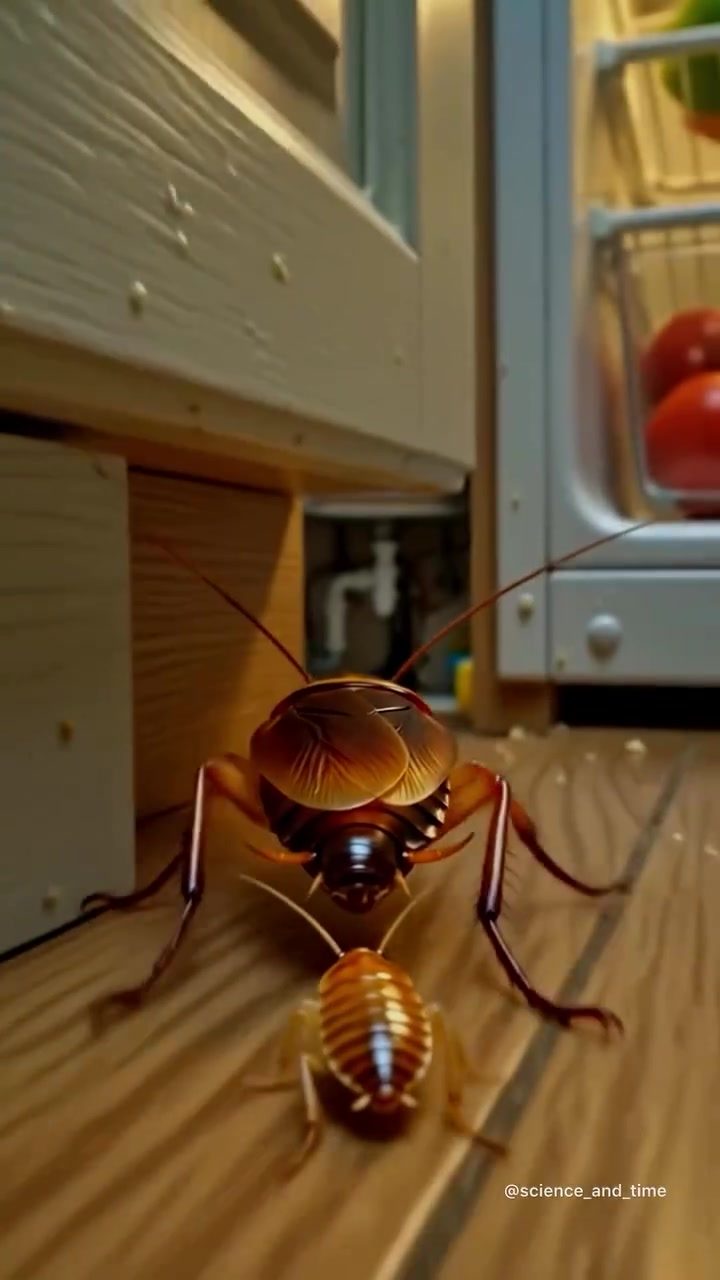
Cockroaches have been a source of fascination and frustration for humans for hundreds of millions of years. These resilient creatures have survived numerous mass extinctions and adapted to a wide range of environments. Understanding their evolutionary journey and unique survival mechanisms provides valuable insights into the natural world.
Context / Why this matters
Cockroaches are not just pests; they are an integral part of Earth's ecosystem. Their resilience has allowed them to thrive in diverse environments, from ancient forests to modern urban settings. By delving into the science behind their survival, we can gain a deeper appreciation for the complexities of evolution and the intricate adaptations that have enabled these insects to endure.
Main Discussion
Evolutionary History
Cockroach-like ancestors were already thriving long before dinosaurs roamed the Earth. During the Carboniferous period, approximately 320 million years ago, these ancestors inhabited lush forests and adapted to the changing conditions of the planet. These early cockroaches were part of a diverse ecosystem that included giant insects and other prehistoric creatures.
The Permian-Triassic extinction event, also known as the Great Dying, wiped out approximately 96% of marine species and 70% of terrestrial vertebrate species around 252 million years ago. Despite this catastrophic event, some cockroach-like ancestors managed to survive. This resilience allowed their lineage to continue evolving, eventually giving rise to the modern cockroaches that we know today.
Survival Adaptations
Cockroaches have developed several unique adaptations that contribute to their remarkable survival abilities.
Insecticide Resistance
One of the most notable adaptations is their ability to develop resistance to insecticides. Over many generations, some cockroaches have inherited genes that allow them to survive certain insecticides. These survivors pass on their advantageous genes to their offspring, making future generations more resistant. This evolutionary process has made cockroaches increasingly difficult to control with conventional pesticides.
Rapid Response to Danger
Cockroaches possess highly sensitive antennae and rear sensors that detect movement and potential threats. When a danger is sensed, signals race through their nerve centers, triggering a lightning-fast escape response. This quick reaction time allows them to evade predators and other hazards, significantly enhancing their survival chances.
Metabolic Adaptations
Water is the most critical element for cockroaches. They require it for various physiological functions, including reproduction. When food becomes scarce, cockroaches can slow their metabolism to conserve energy, which helps them survive for extended periods. This metabolic flexibility is a key factor in their ability to endure harsh conditions and outlast many other insects.
Practical Tips
If you're dealing with a cockroach infestation, it's essential to understand their adaptability and respond accordingly. Here are some practical tips:
Prevention
- Seal Entry Points: Inspect your home for cracks, crevices, and gaps that cockroaches can use to enter. Seal these areas with caulk or weatherstripping to prevent access.
- Eliminate Food Sources: Store food in airtight containers and clean up crumbs and spills promptly. Cockroaches are attracted to food scraps and can survive on very little.
Control Methods
- Insecticide Resistance: Understand that cockroaches can develop resistance to insecticides. Rotate between different types of pesticides and use them in combination with other control methods for better results.
- Natural Predators: Introduce natural predators like lizards, frogs, and birds, which can help to control the cockroach population.
- Professional Help: If infestation becomes severe, seeking help from a professional pest control service might be the most effective solution.
Important Takeaways
Cockroaches have survived for over 300 million years due to their remarkable adaptations and resilience. Here are the key takeaways:
- Adaptability: Their genetic ability to develop resistance to insecticides and their rapid response to danger make them formidable survivors.
- Metabolic Flexibility: Cockroaches can slow their metabolism to conserve energy, helping them endure periods of scarcity.
- Evolutionary Journey: From ancient forests to modern homes, cockroaches have evolved through various environmental changes, mass extinctions, and other challenges.
Understanding these aspects of cockroach biology can help in effectively managing their populations and appreciating their role in the ecosystem.
Conclusion
Cockroaches are more than just pests; they are a testament to the power of evolution and adaptation. Their story spans over 300 million years, from the lush forests of the Carboniferous period to the urban landscapes of today. By learning about their survival strategies and evolutionary journey, we gain a deeper understanding of the natural world and the resilience of life on Earth.
Watch the Reel
Related deep dives
Similar reads based on topic and creator.




Recent articles
Fresh deep dives from the latest Reels we unpacked.



Comments
Be the first to comment.