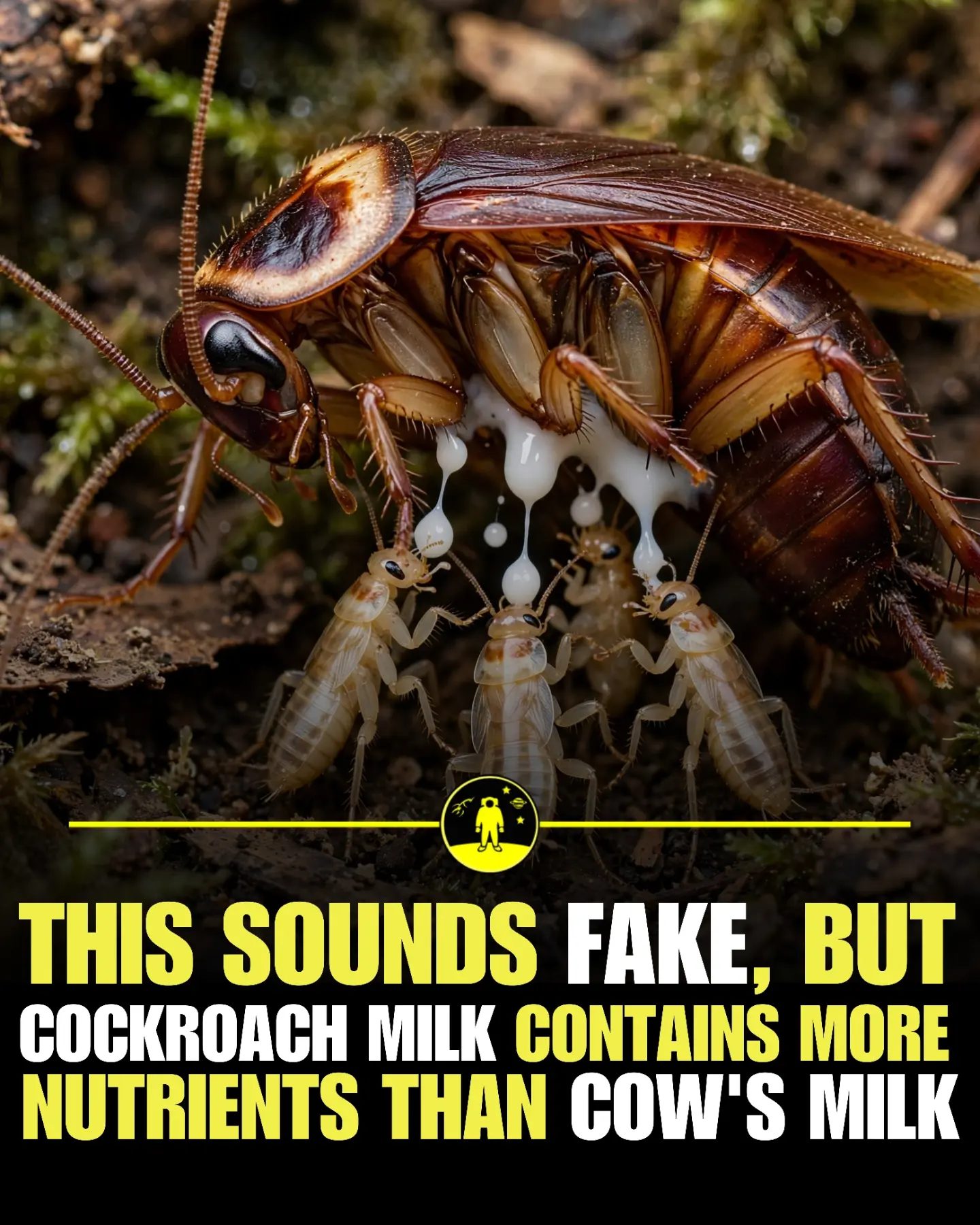
Cockroach Milk: A Surprising Source of Nutrition
Cockroach milk might initially sound like a bizarre and fictional concept, but scientists have indeed studied it as a legitimate subject. Specifically, the focus has been on the protein crystals produced by the Pacific beetle cockroach (Diploptera punctata), a unique species that gives birth to live young. These crystals, sometimes referred to as "cockroach milk," are packed with proteins, fats, and sugars that provide essential nutrients for the developing offspring.
Why This Matters
The study of cockroach milk is part of a broader scientific exploration into alternative protein sources. With the global population growing and traditional livestock farming facing sustainability challenges, researchers are looking into unusual and unexpected places for potential solutions. Cockroach milk, with its high nutritional density, has emerged as a topic of interest in this quest.
The Science Behind Cockroach Milk
The Pacific Beetle Cockroach
The Pacific beetle cockroach is a unique organism, being the only known cockroach species to give birth to live young rather than laying eggs. This reproductive strategy is relatively rare among insects and has intrigued scientists for its implications in nutrition and development.
During the development of her offspring, the mother cockroach produces protein crystals that provide essential nutrients. These crystals are formed within special organs and are then fed to the offspring. The crystals are composed of a highly concentrated mix of proteins, fats, and sugars, all of which are essential for the growth and development of the young cockroaches.
Nutritional Composition
Early laboratory studies have revealed that these protein crystals are exceptionally nutrient-dense. In fact, some studies suggest that these crystals may contain more nutrients than cow's milk on a per-unit basis. This high concentration of nutrients makes them an intriguing subject for researchers exploring new protein sources.
However, it’s crucial to understand that these studies are still in the preliminary stages. While the protein crystals are rich in nutrients, they are not yet commercially available or suitable for human consumption. There is currently no evidence to suggest that cockroach milk offers health benefits for humans, and scientists are far from recommending it as a dietary supplement.
Future Applications
While cockroach milk is not yet a viable food source, the research into its nutritional composition could inspire new developments in food science and biotechnology. The unique properties of these protein crystals could potentially lead to innovative protein sources or functional foods that address global nutrition challenges.
Practical Tips
- Stay Informed: Keep up with the latest scientific developments in nutrition and food science. New discoveries are continually emerging, and staying informed can help you make better choices about your diet.
- Consider Alternative Protein Sources: While cockroach milk is not a viable option, other alternative protein sources, such as plant-based proteins, insect-based proteins, and lab-grown meats, are worth exploring. These options can be more sustainable and nutritious than traditional livestock farming.
- Experiment with New Foods: Be open to trying new and unusual foods. Many nutritional powerhouses, such as quinoa, chia seeds, and spirulina, were once considered exotic and unfamiliar. Today, they are widely recognized for their health benefits.
Important Takeaways
- Nature's Diversity: The Pacific beetle cockroach’s unique reproductive strategy and the nutrient-rich protein crystals they produce highlight the incredible diversity and complexity of the natural world.
- Nutritional Potential: While cockroach milk is not yet a practical food source, its high nutritional density points to the potential for new and innovative protein sources.
- Scientific Exploration: The study of cockroach milk underscores the importance of exploring unusual and unexpected avenues in scientific research. Some of the most valuable discoveries can come from the most surprising places.
Conclusion
Cockroach milk, while still a laboratory curiosity rather than a practical food, represents a fascinating and unexpected subject of scientific research. The nutrient-dense protein crystals produced by the Pacific beetle cockroach offer intriguing possibilities for future developments in food science and sustainable nutrition. As scientists continue to explore these and other unusual nutritional sources, the potential for innovative and sustainable solutions to global food challenges becomes increasingly apparent. The ongoing study of cockroach milk serves as a reminder of the endless surprises and potential that nature holds.
Watch the Reel
Questions readers ask
What exactly is cockroach milk and where does it come from?
Cockroach milk is derived from the Pacific beetle cockroach (Diploptera punctata). It is not milk in the traditional sense, but rather a crystalline protein produced by the mother cockroach to nourish her developing offspring. This unique substance is packed with essential nutrients, including proteins, fats, and sugars.
How does the nutritional content of cockroach milk compare to that of cow milk?
Cockroach milk is significantly higher in protein content compared to cow milk. It contains protein crystals that are rich in essential amino acids, fats, and sugars, making it a very dense nutritional source. In contrast, cow milk is lower in protein and higher in carbohydrates and fats.
Why are scientists interested in cockroach milk as an alternative protein source?
Scientists are exploring cockroach milk due to its high protein content and the sustainability challenges faced by traditional livestock farming. With a growing global population, there is a need for alternative protein sources that are efficient and environmentally friendly. Cockroach milk offers a unique solution to these challenges.
How do the protein crystals in cockroach milk work?
The protein crystals in cockroach milk are produced by the female Pacific beetle cockroach to provide nourishment to her developing offspring. These crystals are rich in essential amino acids, fats, and sugars, making them a highly efficient food source for the young cockroaches, and leading to further research in sustainable protein alternatives.
What are the potential benefits of incorporating cockroach milk into our diets?
Cockroach milk offers several potential benefits, including a high concentration of essential nutrients, efficient production, and minimal environmental impact. These factors make it an attractive option for those looking to diversify their protein sources and reduce their reliance on traditional livestock.
Is cockroach milk safe for human consumption?
While cockroach milk is rich in nutrients and may have potential health benefits, it is not yet available for human consumption. Researchers are still studying its properties and potential applications, and it is important to note that cockroach milk is not a part of any current human diet.
What are some of the challenges in producing cockroach milk on a large scale?
Producing cockroach milk on a large scale presents several challenges, including cultivation of the Pacific beetle cockroaches and extraction of the protein crystals. Additionally, the public perception of cockroaches and the associated health and safety concerns may pose barriers to widespread acceptance and use.
Related deep dives
Similar reads based on topic and creator.



Recent articles
Fresh deep dives from the latest Reels we unpacked.




Comments
Be the first to comment.