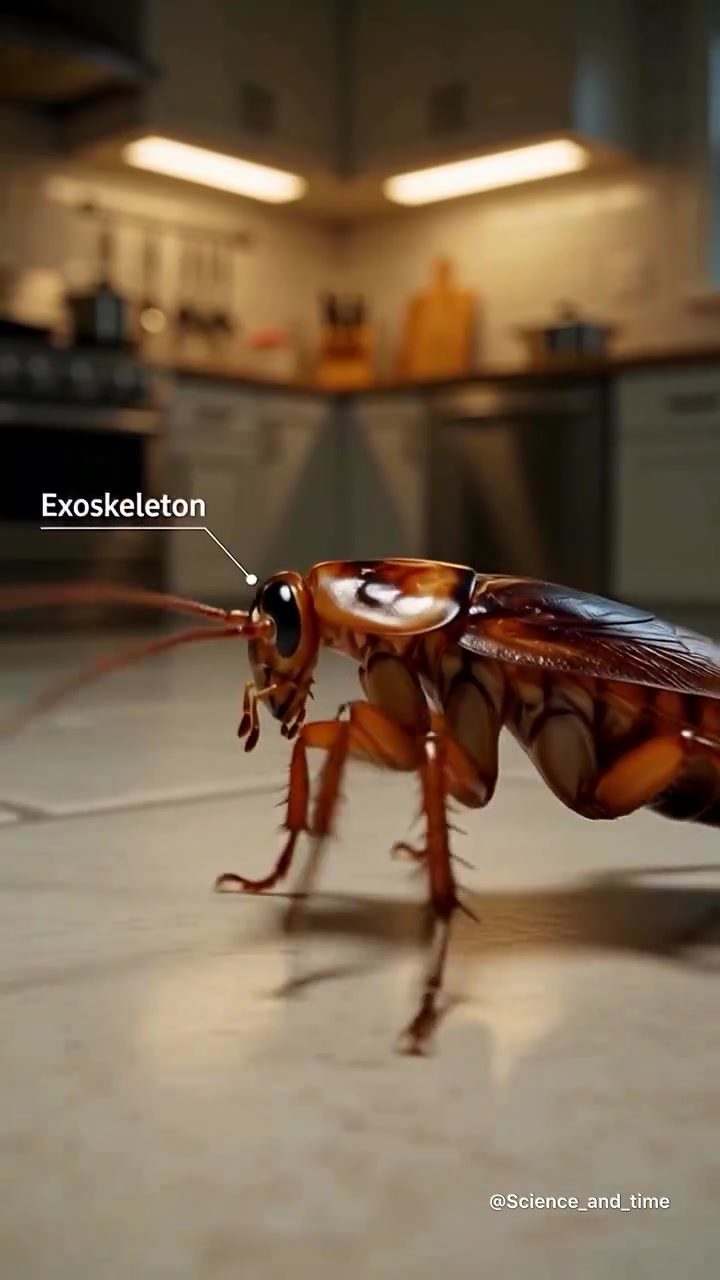
Cockroach Anatomy
Cockroaches are among the most resilient creatures on Earth, having survived for over 300 million years. Their ability to withstand extreme conditions and adapt to various environments makes them a fascinating subject of study. Understanding the intricate details of their anatomy and physiology reveals why these insects are so difficult to eradicate.
Why This Matters
Cockroaches have evolved remarkable survival mechanisms that have allowed them to thrive in almost any habitat, from prehistoric forests to modern urban environments. By comprehending their unique adaptations, we can better understand their role in ecosystems and develop more effective pest control methods.
Anatomy and Physiology
Exoskeleton and Internal Structure
Cockroaches have a tough, flexible exoskeleton that protects their internal organs from being crushed. Unlike humans and other vertebrates, which have fragile bones, the exoskeleton distributes impact forces evenly across the body. This design helps cockroaches survive severe injuries, such as being stepped on, and continue moving almost immediately.
Respiratory System
The respiratory system of cockroaches is also quite different from ours. Instead of lungs, they have tiny openings called spiracles that pull air directly into their bodies. This system allows for efficient gas exchange and enables them to survive even in low-oxygen environments. Their white blood, known as hemolymph, does not carry oxygen, further differentiating their respiratory process from that of other animals.
Nervous System
Cockroaches possess a decentralized nervous system, which is a key factor in their resilience. Besides their brain, they have several nerve centers, or ganglia, distributed throughout their bodies. These nerve centers help coordinate movement even after the insect has suffered severe injuries. This decentralized system ensures that the cockroach can continue functioning, albeit with reduced mobility, even if part of its body is damaged.
Sensory Organs
Cockroaches are equipped with highly sensitive sensory organs that help them detect danger swiftly. Long antennae sense chemicals and air currents, while tiny hairs detect vibrations. These early warning systems allow cockroaches to escape danger before they are even seen, making them exceptionally elusive.
Survival Adaptations
Diet
One of the reasons cockroaches are so prevalent is their omnivorous diet. They can survive on tiny food scraps, grease, paper, and many other organic materials. This adaptability allows them to live almost anywhere humans do, from homes and offices to sewers and landfills.
Reproduction
Female cockroaches protect their offspring by keeping them inside an egg case called an oothica. When the nymphs hatch, they are wingless and look very different from adult cockroaches. This protective strategy ensures that the young have a higher chance of survival.
Practical Tips
Understanding cockroach behavior and biology can help in developing effective control methods. Here are some practical tips:
Preventative Measures
- Maintain Cleanliness: Keep food scraps and organic materials sealed and stored properly to reduce food sources for cockroaches.
- Seal Entry Points: Use caulk, foam, or other sealants to close cracks and crevices in homes and buildings where cockroaches might enter.
- Regular Cleaning: Vacuum and clean areas where cockroaches are likely to hide, such as under appliances and in cabinets.
Control Methods
- Baits and Traps: Use cockroach baits and traps that contain insect growth regulators or other active ingredients to kill cockroaches and prevent reproduction.
- Insecticides: Apply insecticides in areas where cockroaches are commonly found, but be cautious and follow safety guidelines.
- Professional Pest Control: Consider hiring a professional pest control service for severe infestations, as they have access to specialized treatments and knowledge.
Important Takeaways
- Exoskeleton Protection: The tough, flexible exoskeleton helps cockroaches survive physical trauma and distribute impact forces evenly.
- Efficient Respiration: Spiracles and hemolymph allow for efficient gas exchange, enabling cockroaches to survive in low-oxygen environments.
- Decentralized Nervous System: Nerve centers throughout the body ensure that cockroaches can continue functioning even after severe injuries.
- Sensitive Sensory Organs: Antennae and hairs detect chemicals, air currents, and vibrations, providing early warnings of danger.
- Versatile Diet: Cockroaches can survive on a wide range of food sources, making them adaptable to various environments.
- Protective Reproduction: The oothica protects young cockroaches, increasing their chances of survival.
Conclusion
Cockroaches have been around for millions of years, and their resilience is a testament to their remarkable adaptations. From their unique exoskeleton and decentralized nervous system to their efficient respiratory and sensory organs, these insects are remarkable survivors. By understanding their anatomy and behavior, we can develop better methods to control their populations and appreciate their role in the ecosystem.
Watch the Reel
Questions readers ask
What makes the cockroach exoskeleton so tough?
The cockroach exoskeleton is made of a hard, protective material called chitin. This outer shell provides strength and flexibility, making it difficult for predators to harm the cockroach and allowing them to squeeze through tiny cracks. It also helps them retain moisture, making cockroaches incredibly resilient in harsh environments.
How does the cockroach nervous system contribute to their survival?
Cockroaches have a decentralized nervous system, which means their nerves are spread out across their body, rather than being concentrated in a single location. This design allows them to survive severe injuries, as they can still function even if part of their body is damaged. Unlike humans, cockroaches can even survive without their heads for a week or more before dying of dehydration, which is a testament to their adaptability.
What is unique about the cockroach respiratory system?
Cockroaches have a unique respiratory system that uses a series of tubes called tracheae to deliver oxygen directly to their tissues. This system allows them to breathe even when their environment is low in oxygen, such as in tight spaces or after being submerged in water for a short period. Their respiratory system is also efficient in removing carbon dioxide, making them extremely adaptable to various habitats.
How do cockroach adaptations help them survive in different habitats?
Cockroaches have several adaptations that enhance their survival in diverse habitats. These include their ability to withstand extreme temperatures, resist radiation, and survive without food or water for extended periods. Additionally, their preference for warm, moist environments and their tendency to hide in cracks and crevices help them avoid predators and thrive in urban and natural settings alike.
What are some of the most fascinating cockroach survival secrets?
Some of the most fascinating cockroach survival secrets include the ability to hold their breath for up to 40 minutes, allowing them to survive underwater for extended periods. They can also withstand radiation levels that would be lethal to humans and can live for a week without their heads, thanks to their decentralized nervous system and slow metabolism. Additionally, their ability to squeeze through tiny cracks and their resistance to many insecticides make them formidable survivors.
How do cockroaches survive in urban environments compared to their natural habitats?
Cockroaches have adapted remarkably well to urban environments by exploiting the abundance of food, water, and shelter found in human dwellings. Their ability to hide in cracks and crevices, resist many insecticides, and thrive in various temperatures makes them well-suited to urban settings. In contrast, in natural habitats, they rely on their hardy bodies and adaptabilities to survive in diverse ecosystems, including forests, grasslands, and even deserts.
What are the toughest cockroach body parts and why?
The toughest cockroach body parts include the exoskeleton, which is made of chitin, and the legs, which allow them to squeeze through tiny cracks and crevices. Their legs can withstand immense pressure and resist insecticides. The wings, when present, are also durable and strong. Additionally, cockroaches have a unique mouth structure, especially the mandibles, which are strong enough to chew through various materials, contributing to their survival in diverse and challenging environments.
Related deep dives
Similar reads based on topic and creator.


Recent articles
Fresh deep dives from the latest Reels we unpacked.


Comments
Be the first to comment.